Aachen warns residents off frozen lakes as ice hides deadly risks
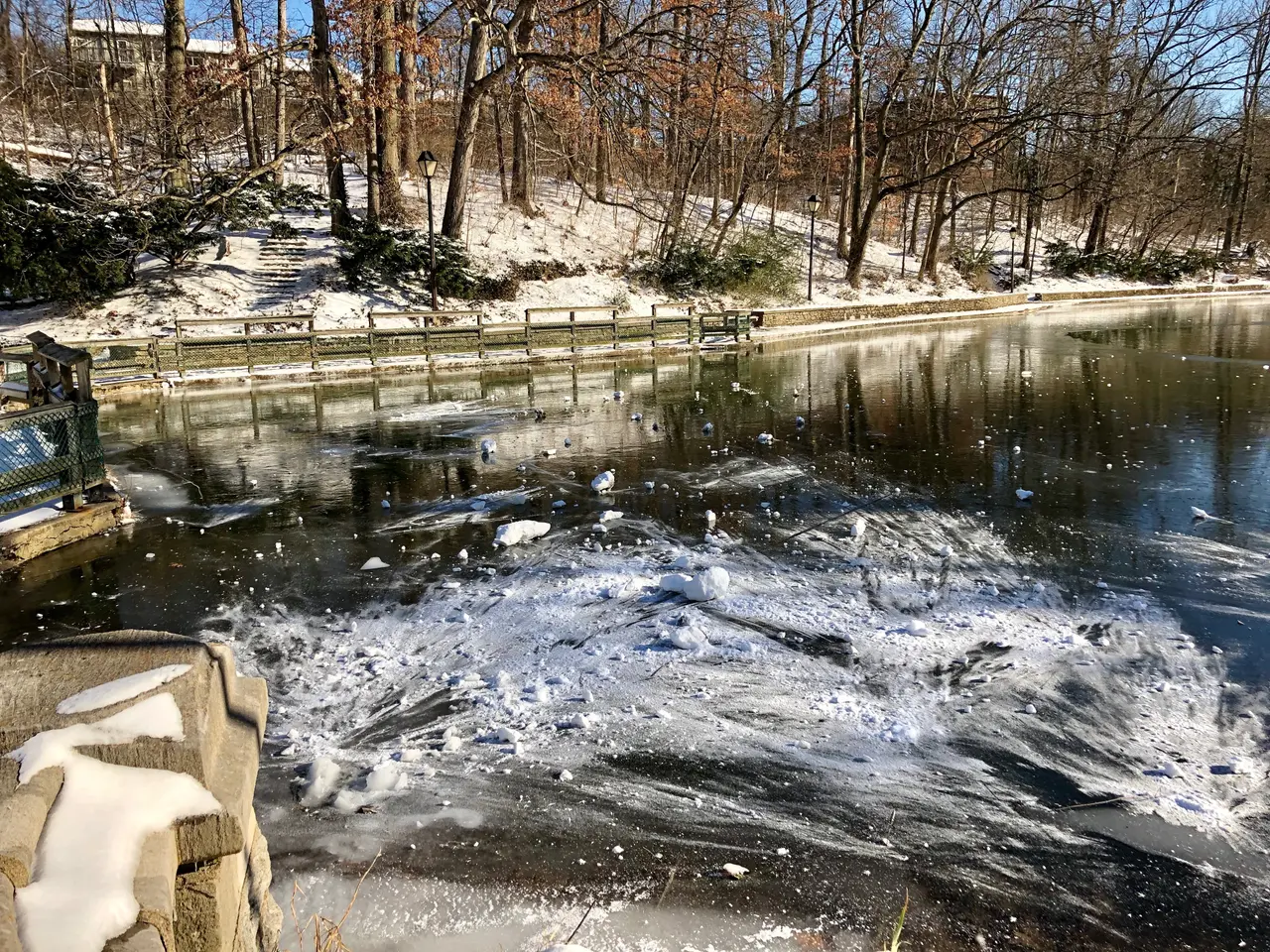
Aachen’s parks and forests have seen thick layers of ice form on lakes, ponds, and reservoirs after a spell of bitter cold and snow. Despite the tempting conditions, city authorities are urging residents to stay off frozen waters due to serious risks for both people and wildlife.
The Department of Climate and Environment in Aachen has issued a strong warning against skating on any ice-covered water bodies. Experts from the fire department and the German Life Saving Association (DLRG) stress that ice is only safe at a minimum thickness of 15 cm (5.9 in)—20 cm (7.9 in) for flowing water. Open waters, inlets, and outlets remain especially dangerous, with a high risk of breaking through.
Fenced reservoirs like Diepenbenden and Kupferbach are completely off-limits. These areas often have steep banks and unpredictable water levels, increasing the chance of accidents. Even after multiple nights of freezing temperatures, ice conditions can still be unreliable. Skating also threatens fish during their winter dormancy. Large groups of skaters disturb them, forcing their metabolism to speed up and depleting their energy reserves. Many weakened fish later die in spring when temperatures rise suddenly, unable to adapt to the rapid change. Authorities are reminding the public that the risks extend beyond personal safety. Disrupting fragile ecosystems can have lasting consequences for local wildlife.
The warnings come as frozen surfaces appear stable but hide unseen dangers. Skaters are being asked to avoid all ice-covered waters in Aachen to prevent accidents and protect vulnerable fish populations. The city’s advice remains clear: no ice is guaranteed safe, and caution must take priority over recreation.
Read also:
- American teenagers taking up farming roles previously filled by immigrants, a concept revisited from 1965's labor market shift.
- Weekly affairs in the German Federal Parliament (Bundestag)
- Landslide claims seven lives, injures six individuals while they work to restore a water channel in the northern region of Pakistan
- Escalating conflict in Sudan has prompted the United Nations to announce a critical gender crisis, highlighting the disproportionate impact of the ongoing violence on women and girls.