Abkhazia Debates Electoral Reform Amid Political Divisions and Russian Influence
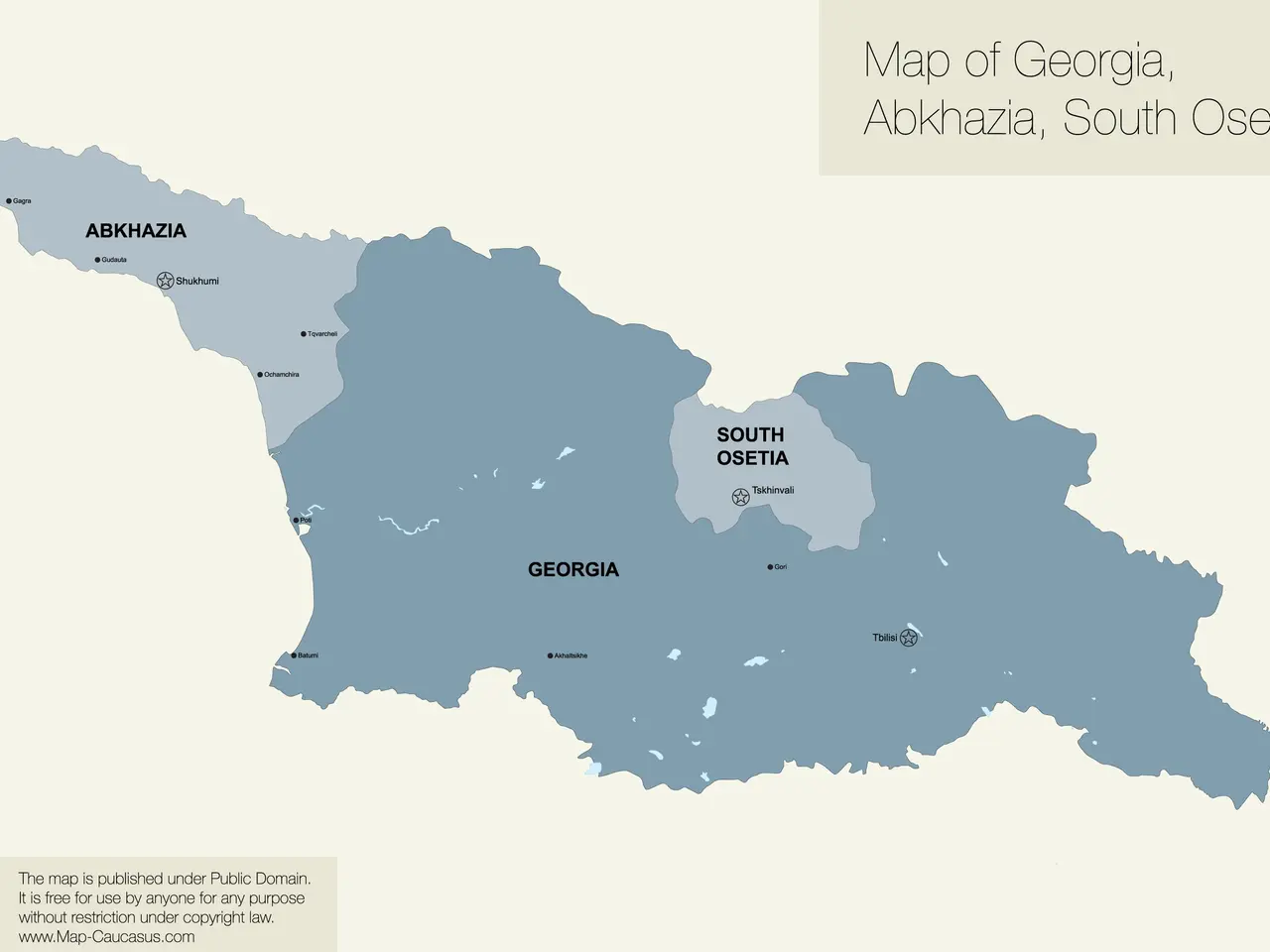
Abkhazia is considering a shift in its electoral system from a purely majoritarian model to a mixed one combining majoritarian and proportional representation. The proposed change has sparked debate among political groups, civil society, and the ruling elite. A Civic Forum later this week will bring these factions together to discuss the reform in detail.
The breakaway region, which declared independence from Georgia in the early 1990s, remains internationally recognised by only a handful of countries, primarily Russia. Its political landscape has long been shaped by a small circle of elites, limited opposition, and strong Russian influence.
Abkhazia's political scene has traditionally revolved around three key factions. The State-administrative bloc represents the current authorities, relying on bureaucratic control and close ties to the government machinery. The National-sovereignty camp, a patriotic opposition force, prioritises protecting Abkhazia's independence and maintaining state control over resources. Meanwhile, the Traditional patriotic camp of the old opposition emphasises historical legitimacy, tracing its roots to the post-war political elite that emerged after the 1992-1993 conflict with Georgia.
A newer but growing influence comes from civic-network movements, which use media and public mobilisation to push for change. Alongside them, the Technocratic-economic camp focuses on modernisation, advocating for investment in infrastructure and economic projects. These groups, along with established parties, have been analysed by the Abkhaz Analytical Center, which categorises them based on behaviour, social support, and sources of legitimacy.
The proposed electoral reform has divided opinion. Supporters argue that a mixed system would broaden representation, while critics—both within the government and opposition—fear it could weaken stability or dilute influence. The upcoming Civic Forum will gather political organisations, civil society, and state representatives to weigh the changes.
Abkhazia's political history has been turbulent. Since the 1990s, its leadership has seen repeated power struggles, coups, and shifts between figures like Vladislav Ardzinba, Sergei Bagapsh, and the current president, Aslan Bzhania. Russian backing has often ensured stability, but at the cost of suppressing broader pluralism. The electoral reform debate now tests whether the system can adapt without upsetting the delicate balance of power.
The Civic Forum's discussions will determine whether Abkhazia moves forward with its electoral reform. If approved, the shift to a mixed system could reshape political representation, though its impact will depend on how existing power structures respond.
For now, the region remains a de facto state under heavy Russian influence, with a political system still dominated by a few entrenched groups. Any change will need to navigate the interests of the administrative elite, opposition factions, and newer civic movements pushing for reform.
Read also:
- American teenagers taking up farming roles previously filled by immigrants, a concept revisited from 1965's labor market shift.
- Weekly affairs in the German Federal Parliament (Bundestag)
- Landslide claims seven lives, injures six individuals while they work to restore a water channel in the northern region of Pakistan
- Escalating conflict in Sudan has prompted the United Nations to announce a critical gender crisis, highlighting the disproportionate impact of the ongoing violence on women and girls.