Activist sues Bavaria's intelligence agency over protest surveillance data
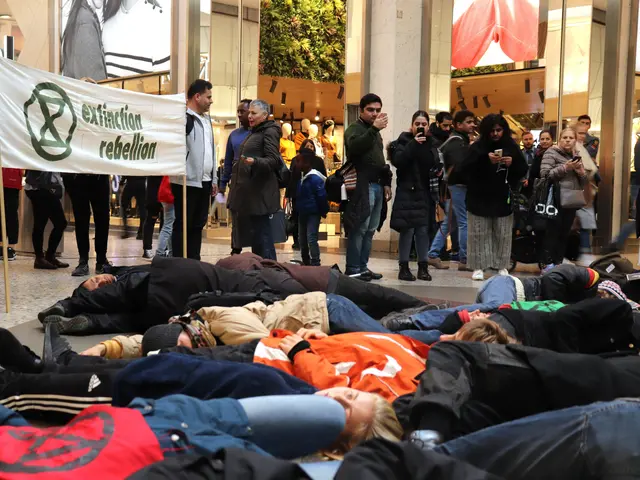
An activist known only as Jona is taking legal action against Bavaria's domestic intelligence agency, the Verfassungsschutz. Her lawsuit challenges the storage of her personal data after she attended a protest in Leipzig in June 2023. The case highlights concerns over surveillance practices and the right to demonstrate without fear of state monitoring.
At the time, police kettled over 1,300 people during the demonstration. Many of those detained were later found to have no involvement in wrongdoing, including local residents, teenagers, and children.
The incident began when Leipzig police surrounded and detained protesters for hours in June 2023. Officers recorded personal details, issued citations, and shared data with the Verfassungsschutz. Nearly three years later, 85% of the investigations into serious public order offences were dropped, with authorities admitting flaws in their approach.
Despite no evidence of wrongdoing, Jona's information remains stored by Bavaria's intelligence agency. Her lawsuit demands the deletion of her data and a legal ruling that protest participation alone cannot justify surveillance. The Society for Civil Rights (GFF), supporting her case, argues that attending a lawful protest should never be treated as a threat to Germany's democratic system. The GFF has also warned of a broader 'chilling effect', where fear of state monitoring could discourage people from exercising their right to protest. The group stresses that such practices risk undermining fundamental freedoms without clear justification.
The court's decision in Jona's case could set a precedent for how intelligence agencies handle protester data. If successful, the lawsuit may force the Verfassungsschutz to remove her records and limit future data retention. The outcome will also signal whether police and intelligence services must reform their approach to demonstrations.
Read also:
- American teenagers taking up farming roles previously filled by immigrants, a concept revisited from 1965's labor market shift.
- Weekly affairs in the German Federal Parliament (Bundestag)
- Landslide claims seven lives, injures six individuals while they work to restore a water channel in the northern region of Pakistan
- Escalating conflict in Sudan has prompted the United Nations to announce a critical gender crisis, highlighting the disproportionate impact of the ongoing violence on women and girls.