AfD co-founder Gauland defends party's future amid nepotism scandals and CDU tensions
Alexander Gauland, honorary chairman and co-founder of the Alternative for Germany (AfD), has spoken out on the party's future and its relationship with the Christian Democratic Union (CDU). His comments come as the AfD faces ongoing nepotism allegations and debates over its political strategy.
Founded in 2013 as a protest movement against eurozone bailouts, the AfD has since grown into a major political force, securing 20.8% of the vote in the 2025 federal election—its strongest national result to date.
Gauland defended the AfD against claims of nepotism, warning that such scandals risk damaging the party's reputation. He admitted that finding loyal staff remains difficult, blaming the AfD's political isolation and the challenges members face in building careers outside politics.
On strategy, he rejected calls from some within the party to dismantle the CDU. Instead, he argued for forming a 'bourgeois bloc' with the centre-right party—but only if the CDU suffers electoral setbacks and shifts its policies. His stance contrasts with more radical voices in the AfD who oppose any cooperation with established parties.
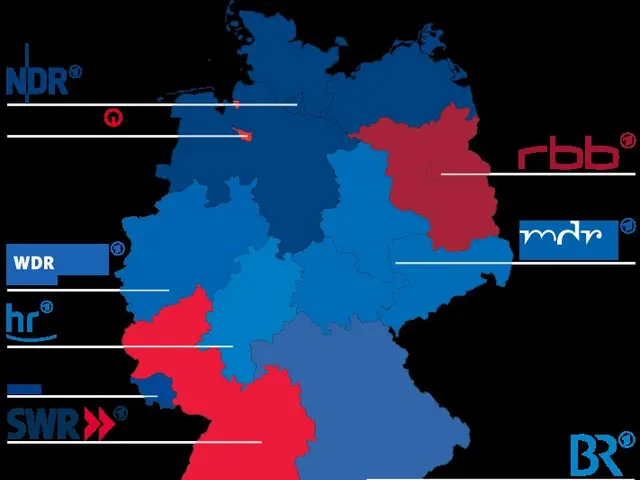
The AfD's rise has been uneven across Germany. While it dominates in eastern states, its support in western regions remains weaker, such as the 8.3% it secured in Rhineland-Palatinate's latest state election. Despite this, the party's 2025 federal result marked a peak, cementing its role as a significant opposition force.
Gauland's remarks highlight the AfD's balancing act between radical factions and pragmatic alliances. The party's future may depend on whether it can manage internal divisions and public scandals while maintaining voter trust. For now, its electoral strength remains concentrated in eastern Germany, though its national influence continues to grow.
Read also:
- American teenagers taking up farming roles previously filled by immigrants, a concept revisited from 1965's labor market shift.
- Weekly affairs in the German Federal Parliament (Bundestag)
- Landslide claims seven lives, injures six individuals while they work to restore a water channel in the northern region of Pakistan
- Escalating conflict in Sudan has prompted the United Nations to announce a critical gender crisis, highlighting the disproportionate impact of the ongoing violence on women and girls.