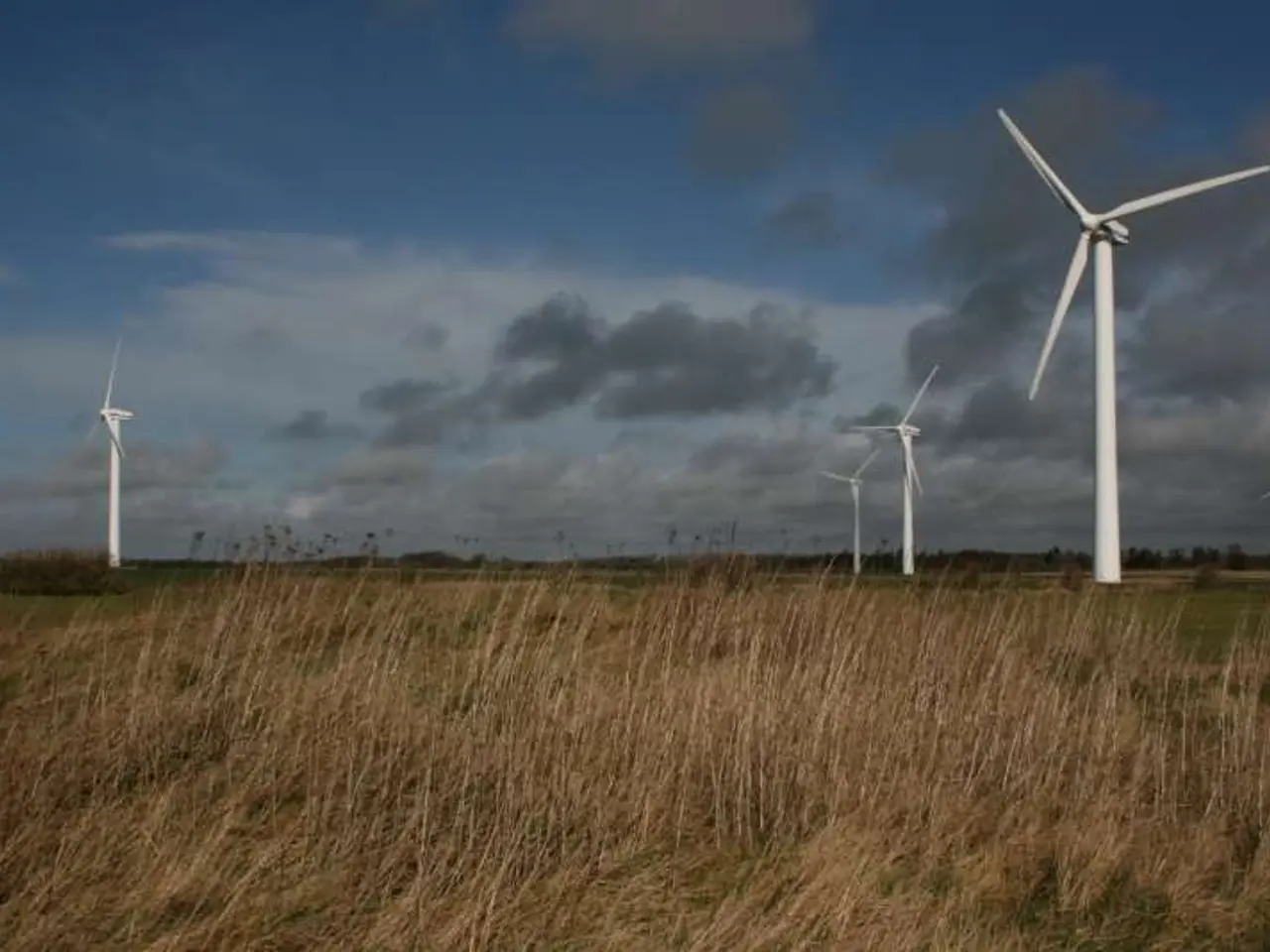
AfD's radical wind energy ban in Saxony-Anhalt sparks industry backlash
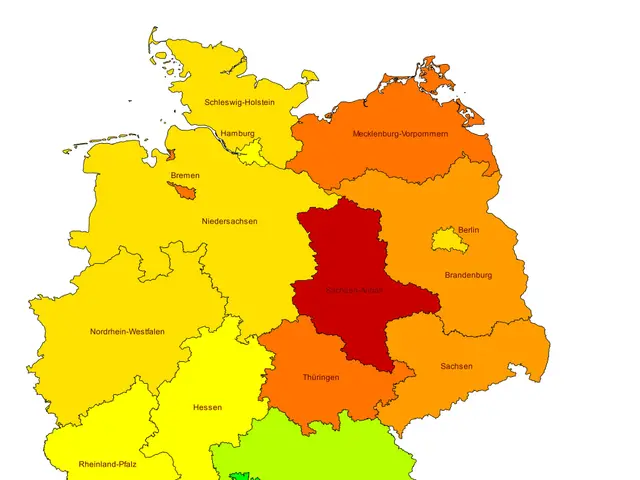
The Alternative for Germany (AfD) in Saxony-Anhalt has called for an immediate halt to all wind energy development. Their proposal, titled End the Pressure on Land Use, demands a statewide moratorium on new wind farms. Critics warn this could threaten major employers and the region’s industrial reputation. Led by AfD politician Ulrich Siegmund, the motion argues that wind power expansion is driving up costs and harming natural landscapes. The party highlights rising redispatch expenses—projected to exceed three billion euros annually by 2025—as a key justification. They also claim wind turbines are causing the 'industrialisation of forests' and straining local budgets.
The AfD wants the state government to block regional planners from approving wind farms in forests or protected areas. Their proposal insists on a complete ban in these zones, even though modern turbines can now be installed in commercial forests without disturbing old-growth stands. Industry leaders have raised alarms about the potential fallout. Enercon, a major wind power manufacturer, runs a key facility in Magdeburg with over 700 skilled workers. A moratorium, as demanded by the AfD, could disrupt operations and undermine Saxony-Anhalt’s appeal as a business location.
The AfD’s push for a wind energy freeze ties together fiscal concerns and environmental arguments. If adopted, the ban would stop new projects in forests and nature reserves while redispatch costs remain high. The outcome could reshape both the state’s energy policy and its economic landscape.
Read also:
- American teenagers taking up farming roles previously filled by immigrants, a concept revisited from 1965's labor market shift.
- Weekly affairs in the German Federal Parliament (Bundestag)
- Landslide claims seven lives, injures six individuals while they work to restore a water channel in the northern region of Pakistan
- Escalating conflict in Sudan has prompted the United Nations to announce a critical gender crisis, highlighting the disproportionate impact of the ongoing violence on women and girls.