Africa Day and Liberation Day Honor Struggles for Freedom on May 25
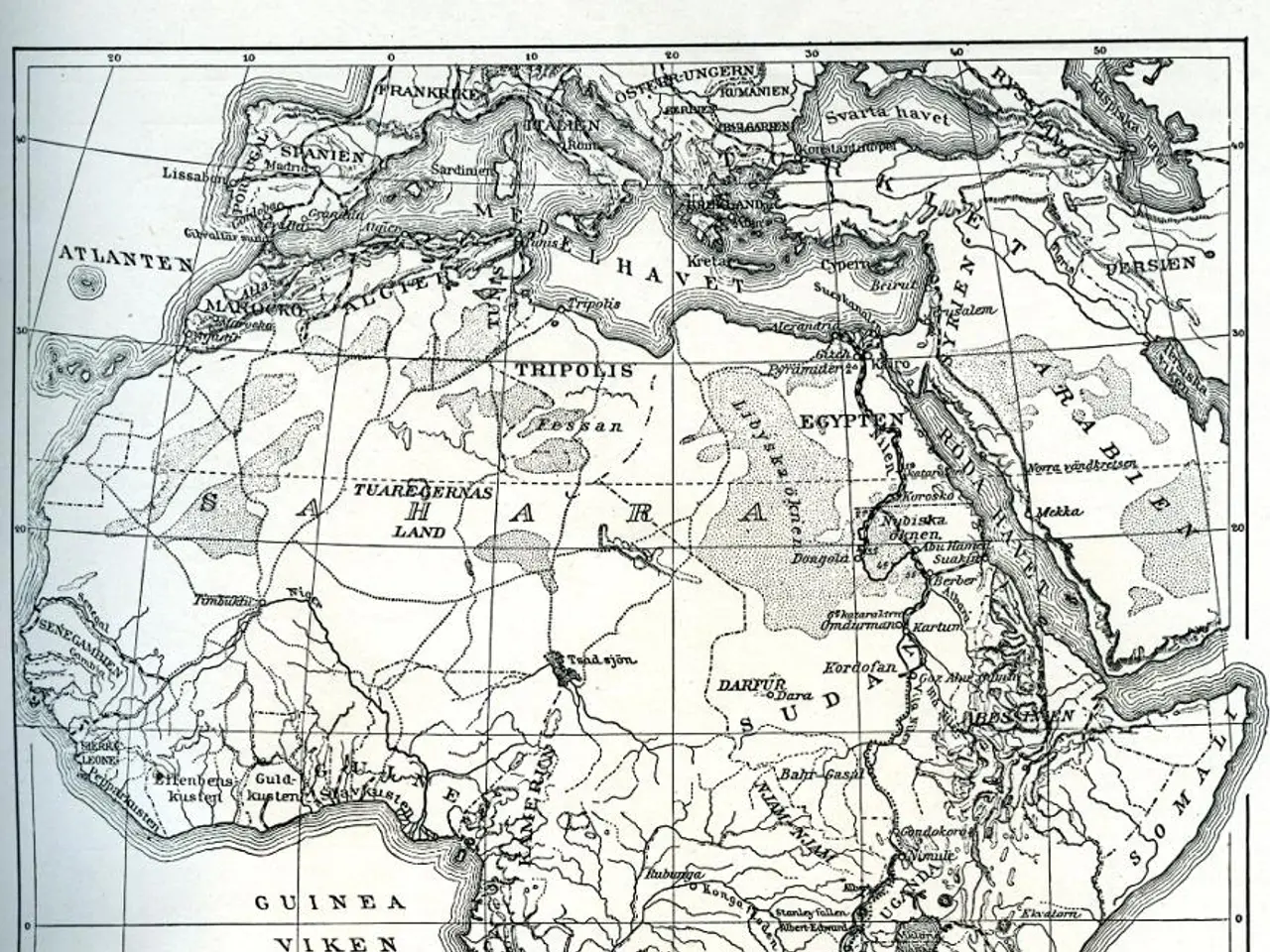
Every year on May 25, the world marks two significant events: Africa Day and African Liberation Day. The date also begins the UN's Week of Solidarity with the Peoples of Non-Self-Governing Territories. These observances highlight struggles for independence and self-determination across Africa and beyond.
The origins of Africa Day trace back to May 25, 1963, when 30 African leaders founded the Organization of African Unity in Addis Ababa, Ethiopia. This historic gathering laid the groundwork for continental cooperation and the push for decolonisation. The UN later designated May 25 as African Liberation Day to honour these efforts.
The Week of Solidarity, running from May 25 to May 31, was established to show support for colonial peoples in Southern Africa, Guinea-Bissau, and the Cape Verde Islands. During this period, the UN General Assembly reaffirmed the right to self-determination for territories like American Samoa, Anguilla, and Bermuda. It also called on member states to back initiatives aimed at ending colonial rule during the Second International Decade for the Eradication of Colonialism.
Today, none of the territories listed in past UN resolutions remain under foreign colonial administration. The annual observances now serve as reminders of progress and the ongoing commitment to freedom and equality.
Africa Day and the Week of Solidarity continue to hold meaning as symbols of resistance and achievement. The events commemorate the end of colonial rule in many regions while reinforcing global support for self-governance. Their legacy remains relevant in discussions about sovereignty and human rights.
Read also:
- American teenagers taking up farming roles previously filled by immigrants, a concept revisited from 1965's labor market shift.
- Weekly affairs in the German Federal Parliament (Bundestag)
- Landslide claims seven lives, injures six individuals while they work to restore a water channel in the northern region of Pakistan
- Escalating conflict in Sudan has prompted the United Nations to announce a critical gender crisis, highlighting the disproportionate impact of the ongoing violence on women and girls.