Air Traffic Controller Strike Causes Flight Disruptions: 40% of Flights at Paris Airports, 50% at Nice Airports Cancelled on Friday
French air traffic controllers, led by the UNSA-ICNA and USAC-CGT unions, are set to stage a strike on July 3 and 4, causing significant flight disruptions, particularly at major airports in Paris and southern France.
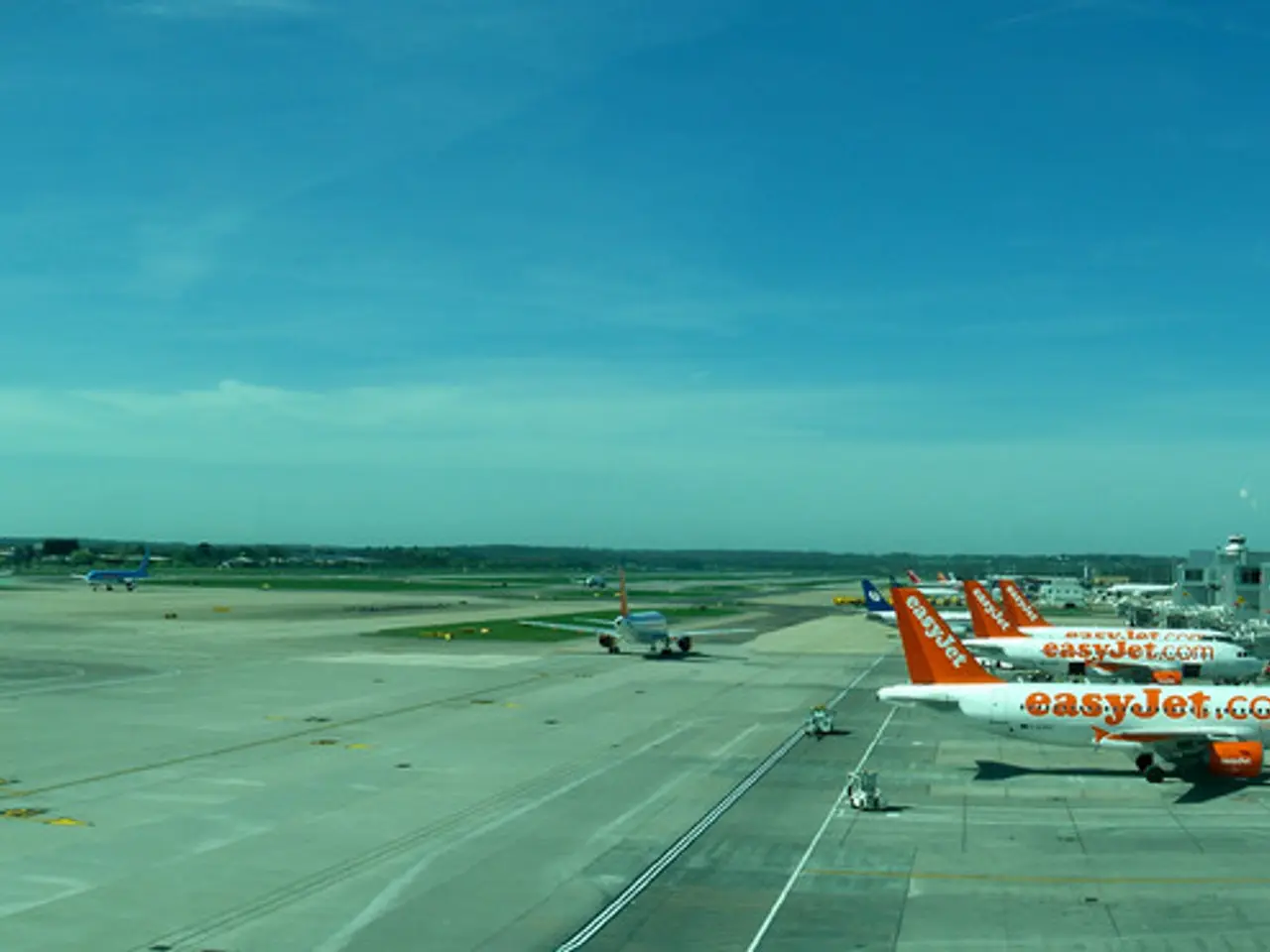
The strike, which was announced earlier, is expected to result in widespread cancellations and delays at key airports such as Charles de Gaulle, Orly, and Beauvais in Paris, as well as at Nice, Marseille, Montpellier, Ajaccio, Bastia, Calvi, and Figari in southern France. Overflights crossing French airspace are also likely to be affected.
According to the latest reports, half of the flights in Nice, Bastia, and Calvi are expected to be cancelled on Thursday. In Paris, 25% of flights are cancelled at Charles-de-Gaulle, Orly, and Beauvais airports on Thursday. Meanwhile, the cancellation rate for flights in Lyon, Marseille, Montpellier, Ajaccio, Bastia, Calvi, and Figari is 30%.
The Minister of Transport, Philippe Tabarot, has stated that the demands of the air traffic controller unions are "unacceptable" and has ruled out giving in to them. The unions are reportedly striking to defend their working conditions.
The strike is scheduled to end on July 4, but since the last day of school holidays for many in France is July 4–5, residual delays or cancellations may still occur on July 5 as the system recovers and schedules are adjusted. However, no new strike actions are scheduled for that day.
Passengers whose flights are cancelled or significantly delayed due to the strike are entitled to care (meals, accommodation if necessary), rebooking, and in some cases, refunds. However, compensation under EU law does not apply for air traffic controller strikes—only for airline-specific disruptions.
Travellers are advised to check directly with their airlines for the most up-to-date information on specific flight cancellations and potential delays. The impact of the strike is expected to be most severe on July 3 and 4, with some residual disruptions possible on July 5.
- The French aerospace industry will likely face challenges due to the upcoming air traffic controller strike, potentially resulting in supply chain disruptions caused by flight cancellations and delays.
- In the realm of business, several sectors including finance and transportation are forecasted to suffer losses as a direct consequence of the extended air traffic controller strike, especially on July 3 and 4.
- The political landscape in France may be affected as well, with questions being raised about the government's response to labor issues and the impact on national infrastructure during crucial periods such as summer tourism.
- General news outlets are expected to cover the air traffic controller strike extensively, focusing on its implications for passengers, the aviation industry, and the broader economy.
- The sports world may also feel indirect effects of the strike, as athletes, teams, and officials traveling to or from France may encounter flight disruptions and experience delays to their competitions and events.