Aircraft Cockpit Height Standards: Separating Facts from Fictions
Many aspiring aviators let misconceptions about their height deter them before they even get off the ground. Here's the truth about pilot heights:
- There's no height requirement for civilian pilots from the Federal Aviation Administration (FAA). The focus is on the individual's ability to safely operate the aircraft, taking into account factors like reach and line of sight.
- Airlines' own height guidelines may exist, but they typically cater to a wide range of heights since most commercial aircraft fit diverse pilots.
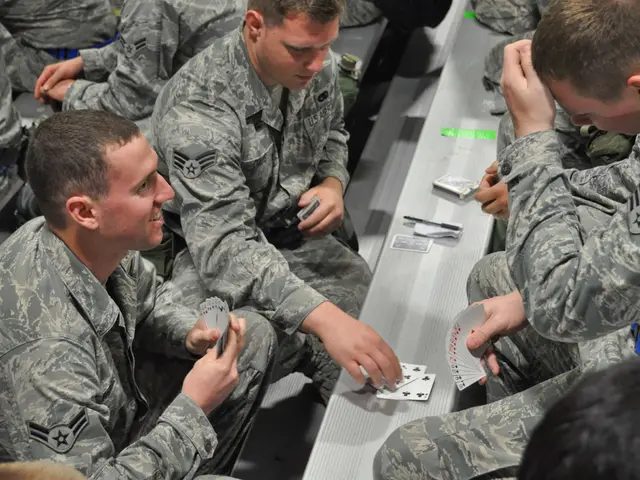
- Military aviation is more stringent but offers waivers for exceptions. For example, the U.S. Air Force once had a height requirement of 5'4" to 6'5", but this rule has been abolished. The need for waivers due to height is reduced or eliminated.
- Myths perpetuate ideas like shortness being a barrier or taller pilots being preferred. Skill, experience, and training matter more in aviation hiring decisions.
Now, let's debunk some common myths:
- Short people can certainly pilot planes as long as they can manage all controls effectively and maintain a clear line of sight. Tools like pilot seat cushions can help.
- Taller pilots are not automatically better suited for aviation. Airlines value skills, experience, and training over height.
- The military has historically had height requirements, but waivers were available for those who didn't meet them. However, the U.S. Air Force has recently abolished the initial height requirement for pilot candidates—opening eligibility to a more diverse pool of applicants.
- Being too tall or short might pose challenges in certain aircraft but is not a universally applicable restriction.
If you're concerned about your height, consider seeking advice from flight schools, Aviation Medical Examiners (AME), airlines, aviation forums, military recruiters, or experienced pilots in your community. Networking with people who've navigated similar concerns can offer a nuanced perspective on your opportunities.
Remember, if height is a concern, there's always an avenue for success in the vast world of aviation. Keep exploring, asking questions, and gathering as much information as possible to ensure a bright future in the sky.
In the industry of aviation, short people can indeed pilot planes, provided they can manage all controls effectively and maintain a clear line of sight, with tools like pilot seat cushions available to help. Contrary to popular belief, height is not a defining factor in aviation, as airlines value skills, experience, and training over physical attributes. Furthermore, a diverse range of heights can be found among commercial pilots, as most modern aircraft are designed to accommodate varying pilot heights.