Aircraft Propulsion Comparison: Piston Engines vs. Turboprops
In the realm of aviation, two types of engines dominate the scene: piston engines and turboprop engines. Each has its unique advantages and disadvantages, catering to different aircraft requirements.
**Piston Engines**
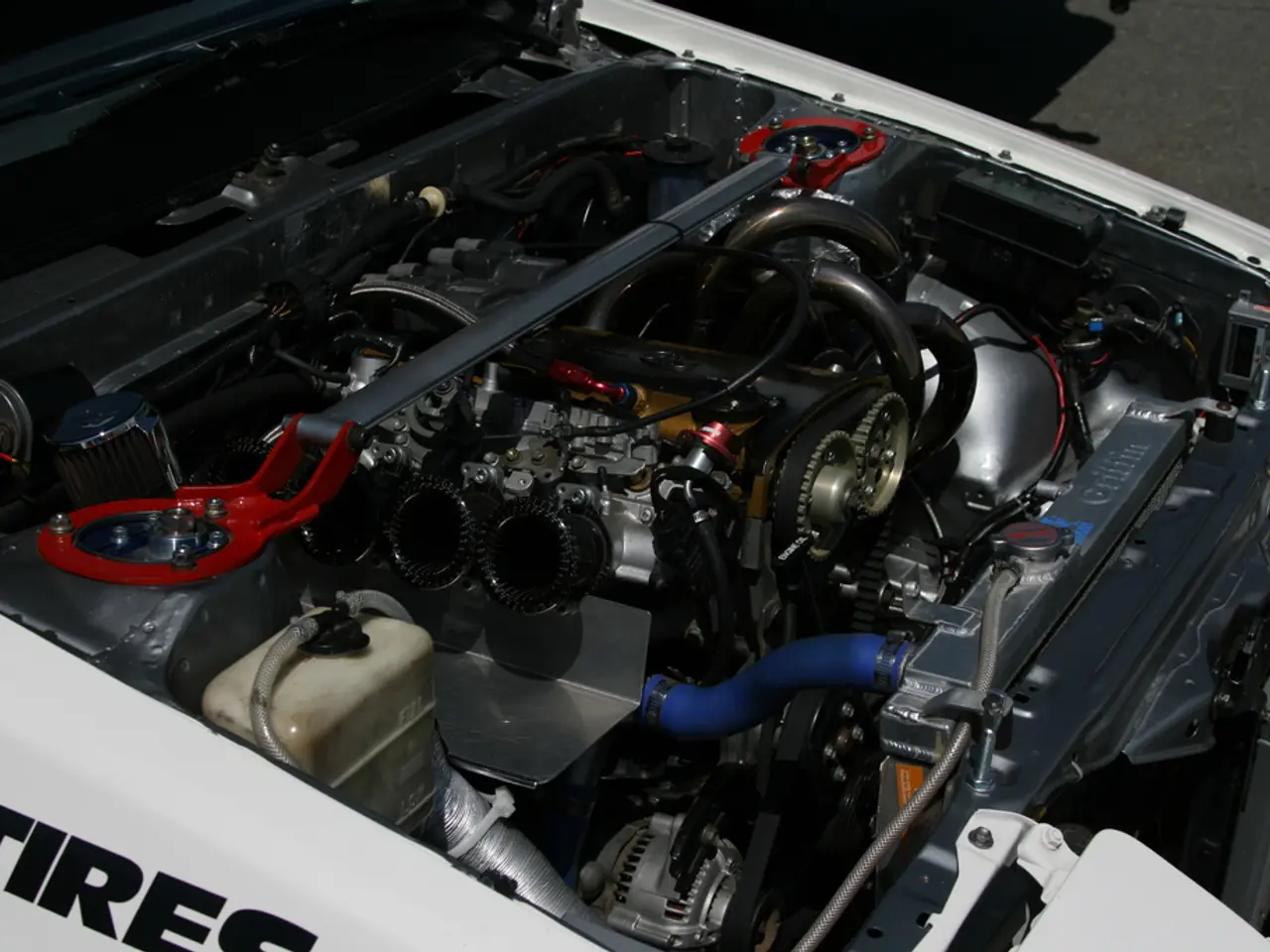
Piston engines, often referred to as reciprocating engines, are renowned for their cost-effectiveness and simplicity. They convert energy from burning fuel into mechanical energy through a repetitive cycle of piston movements. These engines are generally less expensive to purchase and maintain compared to turboprop engines, thanks to their simpler design and fewer complex components.
However, piston engines have their drawbacks. They typically have a lower power-to-weight ratio, which can limit their performance at higher altitudes or with heavy loads. Moreover, they produce more vibration and noise than turboprop engines, which can decrease comfort and increase fatigue for both pilots and passengers. At high altitudes or during long-range flights, piston engines generally have lower fuel efficiency compared to turboprop engines.
**Turboprop Engines**
Turboprop engines, on the other hand, are a more complex design compared to piston engines. They use a combination of jet power and a propeller to move the aircraft forward, offering a superior power-to-weight ratio. This allows for better performance at high altitudes and with heavy payloads.
Turboprop engines are more efficient and effective at high altitudes compared to piston engines, making them ideal for long-range flights. They provide a smoother and quieter operation compared to piston engines, enhancing passenger comfort. However, they are more expensive to purchase and maintain, with their turbine components requiring specialized maintenance and being costly to repair.
While turboprop engines can consume more fuel than piston engines at lower altitudes or during short flights, their efficiency at high altitudes more than compensates for this. Additionally, turboprops usually have longer Time Between Overhaul (TBO) periods and, in many cases, lower overall maintenance costs per hour of operation compared to piston engines.
**The Final Verdict**
The choice between piston engines and turboprop engines largely depends on the specific requirements of the aircraft and its intended use. Piston engines are suitable for smaller, lighter aircraft where simplicity and cost-effectiveness are crucial. Turboprop engines are better suited for heavier payloads, high-altitude operations, and long-range flights where efficiency and power are necessary.
In the aviation industry, piston engines are commonly found in private and general aviation, while turboprop engines are commonly used in regional, cargo, and specialty aircraft. Understanding the pros and cons of each engine type can help in making an informed decision when choosing the right engine for a particular aircraft.
A private pilot considering the aerospace industry might find turboprop engines more suitable for long-range flights, thanks to their superior power-to-weight ratio and efficiency at high altitudes, despite their higher purchase and maintenance costs. In contrast, finance professionals evaluating the purchase of a general aviation aircraft may prefer piston engines due to their lower cost of acquisition and maintenance, despite their limitations with heavy loads and reduced efficiency at high altitudes.