Assam tragedy exposes gaps in poverty aid after mother's suicide with two children
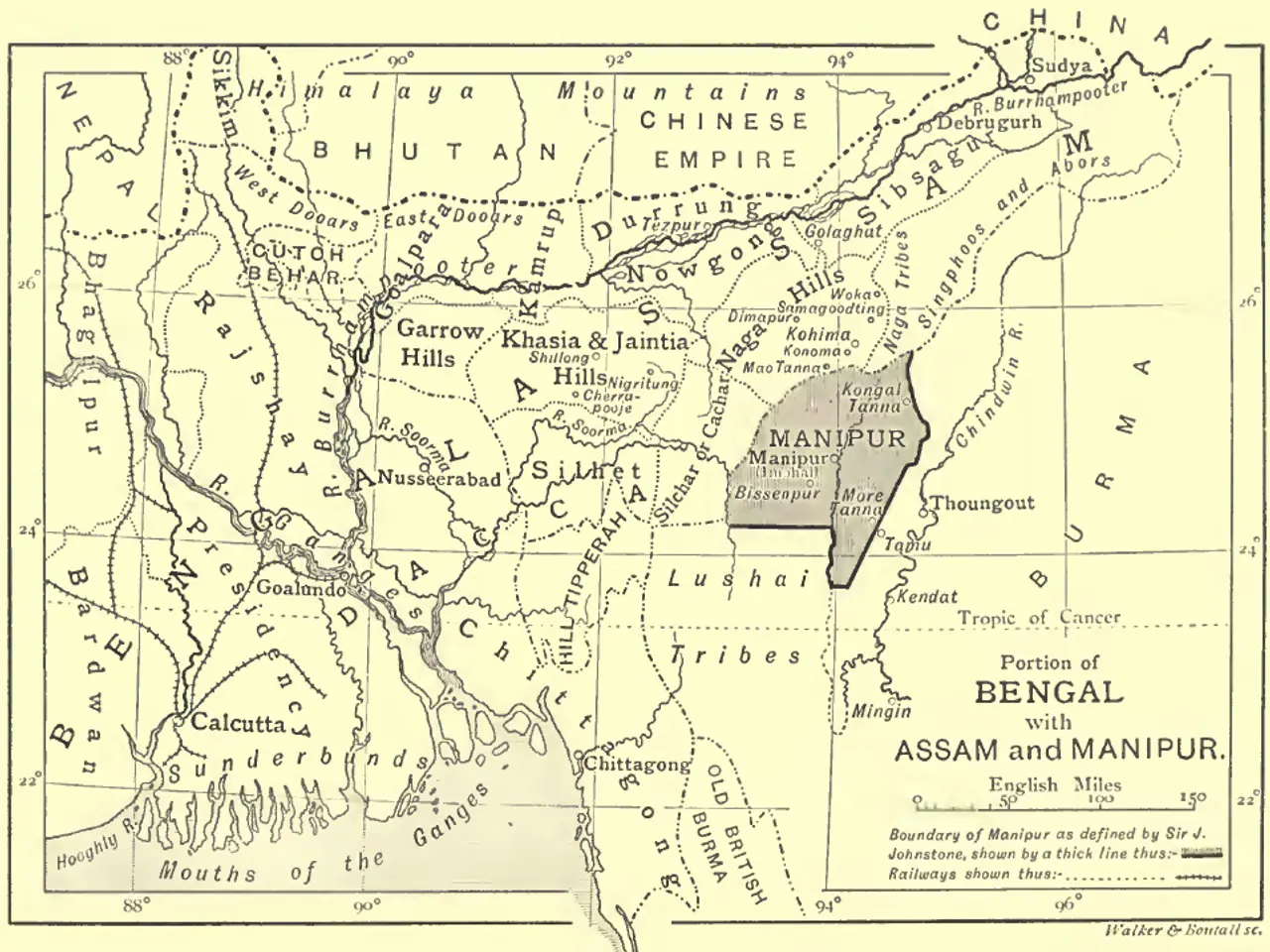
The Gauhati High Court has closed a suo moto public interest litigation (PIL) linked to a tragic 2023 incident in Assam. A mother, facing extreme poverty, took her own life along with her two young children. The case first drew attention after media reports revealed the family had been living in a public toilet before the deaths.
The PIL was originally filed by Debabrata Saikia, then Leader of Opposition, following news coverage of the family's dire conditions. An inquiry later found that while the woman's father-in-law received welfare benefits, she and her husband—who had separated—had not updated authorities. This left them without support despite their eligibility.
During proceedings, the court sought an explanation from the Lakhimpur District Commissioner over why the family had not received poverty alleviation aid. However, it later ruled that no single official could be held directly responsible for the oversight.
A separate survey conducted across the Missing Autonomous Council identified 6,253 families in the Below Poverty Line (BPL) category as extremely vulnerable. Despite this, the court declined to keep monitoring the case, stating that doing so would overstep into executive functions.
In its final order, the court expressed confidence that Assam's government would take necessary steps to ensure welfare schemes reach all vulnerable households.
The PIL has now been disposed of without further judicial oversight. The court's decision leaves the responsibility of supporting at-risk families with the state administration. The case highlights ongoing challenges in ensuring welfare benefits reach those most in need.
Read also:
- American teenagers taking up farming roles previously filled by immigrants, a concept revisited from 1965's labor market shift.
- Weekly affairs in the German Federal Parliament (Bundestag)
- Landslide claims seven lives, injures six individuals while they work to restore a water channel in the northern region of Pakistan
- Escalating conflict in Sudan has prompted the United Nations to announce a critical gender crisis, highlighting the disproportionate impact of the ongoing violence on women and girls.