Austria's 2035 industrial strategy faces economic and political hurdles
Austria has rolled out its first industrial strategy, targeting nine key technologies for support until 2035. The plan arrives as debates over economic policy intensify, with rising taxes and labour costs shaping the country's financial landscape. Meanwhile, political divisions persist over how best to manage inflation and energy prices, with the SPÖ and ÖVP proposing opposing solutions.
The government's new industrial strategy highlights nine technologies set to receive focused backing over the next decade. Yet questions remain about whether political leadership alone can secure Austria's industrial future. The country's tax burden will climb to 44% of GDP this year—among the EU's highest—while labour expenses continue to grow.
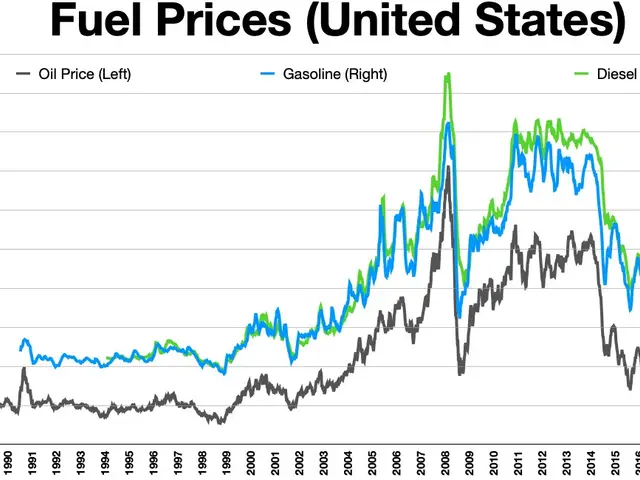
Inflation has pushed policymakers to act, with the SPÖ leading efforts to curb price rises. Rent increases in regulated tenancies are now capped at 1% annually, and unregulated markets face restrictions when inflation tops 3%. The party also secured a VAT cut on essential groceries, dropping from 10% to 4.9% by July 2026. This reduction will be partly funded by higher taxes on single-use plastics. Energy policy remains contentious. The SPÖ's Andreas Babler, also Vice Chancellor, is advocating for a fuel price cap similar to Croatia's model. The ÖVP, traditionally opposed to broad price controls, has instead pushed for tax cuts. However, the party did support limited energy price interventions during the 2021–2024 coalition, framing them as temporary crisis measures. Now, a new energy crisis mechanism is in development, aiming to cap variable electricity costs at 10 cents per kilowatt-hour from July 2026. Economic experts have since criticised the previous government for delaying electricity price caps, arguing earlier action could have reduced state intervention. The ÖVP, while still favouring market solutions, has shown flexibility by accepting targeted support during emergencies. This pragmatic shift reflects its long-standing preference for market mechanisms, balanced by crisis-driven adjustments.
The new industrial strategy sets a long-term direction, but its success depends on navigating economic pressures and political disagreements. With taxes and labour costs rising, businesses and households will feel the impact of upcoming policy changes. The energy price cap and VAT adjustments, due in 2026, will test whether these measures can ease inflation without stifling growth.
Read also:
- American teenagers taking up farming roles previously filled by immigrants, a concept revisited from 1965's labor market shift.
- Weekly affairs in the German Federal Parliament (Bundestag)
- Landslide claims seven lives, injures six individuals while they work to restore a water channel in the northern region of Pakistan
- Escalating conflict in Sudan has prompted the United Nations to announce a critical gender crisis, highlighting the disproportionate impact of the ongoing violence on women and girls.