Austria's fuel price surge strains households as war drives costs up
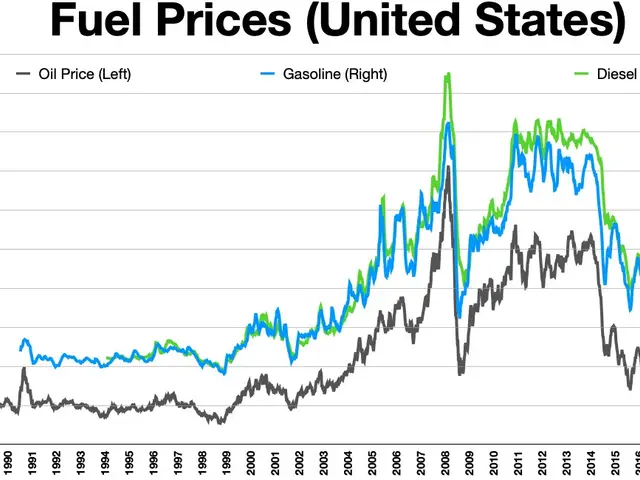
Fuel prices in Austria have climbed sharply since the outbreak of the Middle East war in October 2023. The cost of petrol has jumped by 15-20% compared to pre-war levels, with Vienna seeing the steepest rises. Politicians are now under pressure to act as households and businesses feel the squeeze.
Before the conflict, petrol in Austria averaged around €1.70 per litre. By early 2025, prices reached €2.00-2.10, with Vienna hitting up to €2.10 due to higher refinery margins, local transport taxes, and distribution costs. Diesel in the capital surged from €1.50 to nearly €2 per litre within a single week after the war began.
At the peak, the median diesel price in Vienna stood at €1.982 per litre. Of that amount, €0.397 went to mineral oil tax, €0.138 to the CO₂ levy, and €0.330 to VAT—adding up to €0.865 per litre or roughly €50 in taxes for a full tank. The impact of these rises varies. The wealthiest 10% of households spend over 10% of their budgets on fuel, while the poorest 10% spend around 2.5%. Low-income commuters, in particular, face strain, prompting calls for a socially tiered commuter allowance to ease the burden. Politicians have proposed different solutions. FPÖ leader Herbert Kickl has pushed for tax cuts, while the SPÖ wants to cap oil companies' markups. However, cutting fuel taxes would leave a large budget shortfall, forcing reductions elsewhere. Meanwhile, no party can guarantee long-term affordable prices, as global oil markets remain volatile.
High energy costs continue to weigh on the economy, with no quick fix in sight. While tax adjustments or price caps could offer temporary relief, the underlying issue of disrupted oil supplies and rising crude prices persists. Households and policymakers alike must navigate the challenge as fuel expenses remain unpredictable.
Read also:
- American teenagers taking up farming roles previously filled by immigrants, a concept revisited from 1965's labor market shift.
- Weekly affairs in the German Federal Parliament (Bundestag)
- Landslide claims seven lives, injures six individuals while they work to restore a water channel in the northern region of Pakistan
- Escalating conflict in Sudan has prompted the United Nations to announce a critical gender crisis, highlighting the disproportionate impact of the ongoing violence on women and girls.