Austria's leaders demand tax cuts and EU reforms to ease energy crisis
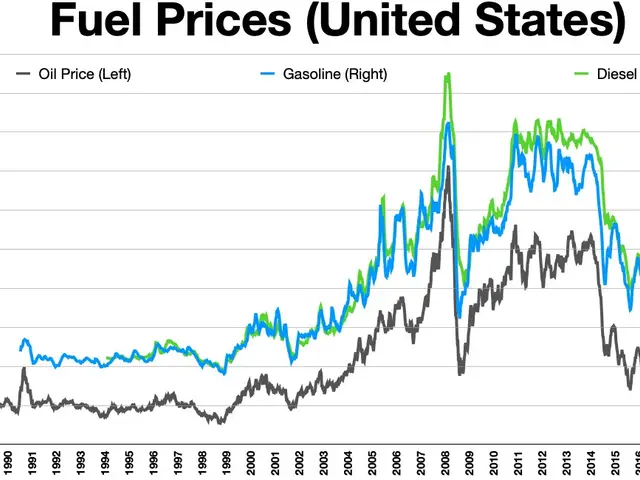
Austrian politicians have stepped up calls for urgent action to lower energy prices amid rising tensions linked to the war in Iran. Several state leaders and officials proposed measures ranging from tax cuts to EU-level reforms. Their demands come as households and businesses face growing financial strain from high fuel and electricity costs.
In early March 2026, Upper Austria's governor Manfred Haimbuchner pushed for a temporary reduction in value-added tax on fuels, electricity, and gas. He also urged the federal government to seek an EU-wide suspension of CO₂ costs for gas-fired power plants. His calls aimed to ease pressure on consumers and industries struggling with soaring energy bills.
Lower Austria's governor Johanna Mikl-Leitner and Stephan Pernkopf, a regional energy spokesperson, backed similar proposals. Both supported suspending CO₂ levies or cutting the mineral oil tax. Pernkopf additionally advocated for decoupling the merit-order system from gas and coal prices, arguing this would reduce costs for households and companies.
Criticism also targeted energy providers. Consumer advocate Peter Hergovich demanded a ban on floating tariffs, singling out EVN for using them. He claimed such pricing models worsened instability for customers during volatile market conditions.
The federal government has since introduced some relief measures. The Finance Ministry and OeKB launched special financing programmes for energy suppliers and grid operators in February 2026. These aim to lower network expansion costs and reduce charges for customers. Additionally, the Location Safeguarding Act (SAG) was extended, offering 75 million euros yearly in CO₂ cost refunds for energy-intensive businesses until 2029.
However, no concrete steps have been taken on the temporary suspension of CO₂ taxes or mineral oil tax reductions proposed by politicians.
The government's response so far includes financial support for energy companies and extended refunds for industries. Yet key demands, such as suspending CO₂ levies or reforming the merit-order system, remain unaddressed. The gap between proposed solutions and implemented policies leaves households and businesses awaiting further relief.
Read also:
- American teenagers taking up farming roles previously filled by immigrants, a concept revisited from 1965's labor market shift.
- Weekly affairs in the German Federal Parliament (Bundestag)
- Landslide claims seven lives, injures six individuals while they work to restore a water channel in the northern region of Pakistan
- Escalating conflict in Sudan has prompted the United Nations to announce a critical gender crisis, highlighting the disproportionate impact of the ongoing violence on women and girls.