Bavaria strengthens disaster response with tech upgrades and crisis coordination
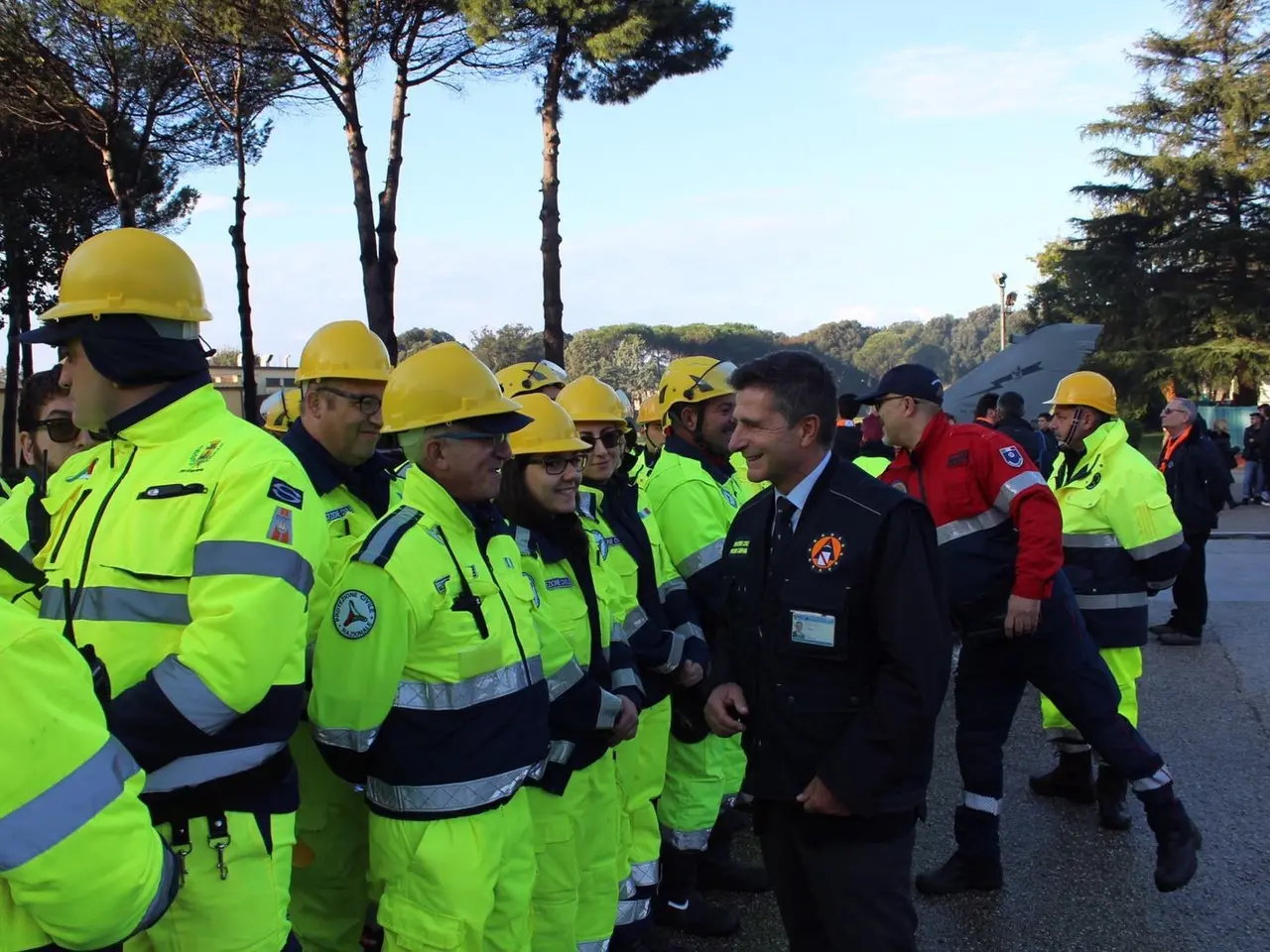
A themed evening for blue-light organisations took place in Rhön-Grabfeld District to discuss emergency response and disaster preparedness. The event, hosted at Nordheim/Rhön fire station, brought together representatives from fire departments, police, THW, emergency medical services and other regional groups. Guest speaker Sandro Kirchner, Bavaria's State Secretary for the Interior, outlined key plans for improving crisis coordination across the region.
The gathering was organised by Christof Herbert, Chair of the CSU Rhön-Grabfeld District Association and district council candidate. He stressed the district administrator's role in security and disaster management, calling for stronger partnerships with all emergency responders.
Over the past five years, fire services and aid organisations in Rhön-Grabfeld have upgraded their digital communication tools. This includes the rollout of TETRA radio networks, BOS radio upgrades and alert apps like Katwarn. Crisis management has also seen new technology, such as drones, GIS systems for control centres and training software for cyber and flood scenarios—all funded by Bavarian state programmes. Kirchner highlighted Bavaria's position as Germany's safest state, based on crime data. He detailed the government's heavy investment in disaster preparedness, covering vehicles, equipment and training for blue-light teams. His remarks on expanding encrypted digital radio for secure crisis communication drew particular interest from attendees. The event encouraged an open exchange between emergency practitioners and policymakers. Discussions focused on practical challenges and recognition for the work of Rhön-Grabfeld's responders. Kirchner also outlined plans for the State Office for Civil Protection to become a central hub for both preparedness and crisis coordination.
The evening reinforced collaboration between local emergency services and state authorities. Rhön-Grabfeld's organisations will continue modernising their systems with state support. Future efforts will focus on secure communication, advanced training and integrated crisis management tools.
Read also:
- American teenagers taking up farming roles previously filled by immigrants, a concept revisited from 1965's labor market shift.
- Weekly affairs in the German Federal Parliament (Bundestag)
- Landslide claims seven lives, injures six individuals while they work to restore a water channel in the northern region of Pakistan
- Escalating conflict in Sudan has prompted the United Nations to announce a critical gender crisis, highlighting the disproportionate impact of the ongoing violence on women and girls.