Schulze counters Söder's push for state mergers - Bavaria’s Söder reignites debate on merging Germany’s struggling federal states
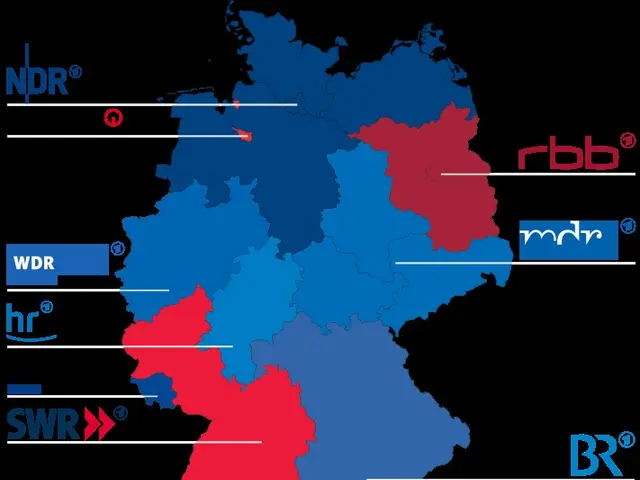
A fresh debate over merging Germany’s federal states has emerged after Markus Söder, Bavaria’s minister-president, called for fewer Bundesländer. His proposal, made on 13 January 2026, suggests abolishing or combining smaller states like Bremen and Saarland. The idea has faced immediate resistance from Saxony-Anhalt’s incoming leader, Sven Schulze, who dismisses the need for full consolidation.
Söder’s push comes amid frustration over Bavaria’s billion-euro contributions to Germany’s fiscal equalisation system. At the CSU retreat in Kloster Banz, he argued that some states are barely financially viable and depend heavily on support from others. Larger state units, he claimed, would operate more efficiently and strengthen Germany’s federal structure.
The proposal is not new. Similar discussions took place in the 1990s, with the last major attempt failing in 1996. Söder has not specified which states he would target beyond broadly suggesting smaller, struggling regions. In Saxony-Anhalt, Schulze—set to be elected minister-president on 28 January—has rejected the idea outright. He plans instead to work with neighbouring Saxony and Thuringia on shared administrative solutions after taking office. Schulze insists many efficiencies can be achieved without dissolving state borders. His election follows the resignation of Reiner Haseloff, who stepped down after years in office. Schulze’s stance reflects a preference for cooperation over structural overhauls, setting him apart from Söder’s bolder vision.
The debate highlights ongoing tensions over Germany’s federal system. Söder’s call for mergers underscores concerns about financial imbalances, while Schulze’s approach favours incremental collaboration. For now, Saxony-Anhalt remains focused on regional partnerships rather than sweeping reforms.
Read also:
- American teenagers taking up farming roles previously filled by immigrants, a concept revisited from 1965's labor market shift.
- Weekly affairs in the German Federal Parliament (Bundestag)
- Landslide claims seven lives, injures six individuals while they work to restore a water channel in the northern region of Pakistan
- Escalating conflict in Sudan has prompted the United Nations to announce a critical gender crisis, highlighting the disproportionate impact of the ongoing violence on women and girls.