Belgium weighs prosecution in 1961 Lumumba assassination after 65 years
Belgium is now considering whether to prosecute former diplomat Étienne Davignon for his alleged role in the 1961 assassination of Congolese leader Patrice Lumumba. The case, emerging 65 years after the killing, has reignited discussions about the effectiveness of international law. Critics argue that such delayed justice highlights deep flaws in global legal systems.
At a recent event in Berlin, human rights lawyer Wolfgang Kaleck presented his new book, The Strength of Law vs. The Law of the Strong, further fuelling debates on accountability and power in modern legal frameworks.
The murder of Patrice Lumumba, Congo's first democratically elected prime minister, remains one of the most controversial political assassinations of the 20th century. Belgium's decision to pursue charges against Davignon, a former diplomat linked to the plot, marks a rare attempt to enforce international law decades later. Yet sceptics dismiss such efforts as symbolic, calling international law a 'hollow phrase' when enforcement remains inconsistent.
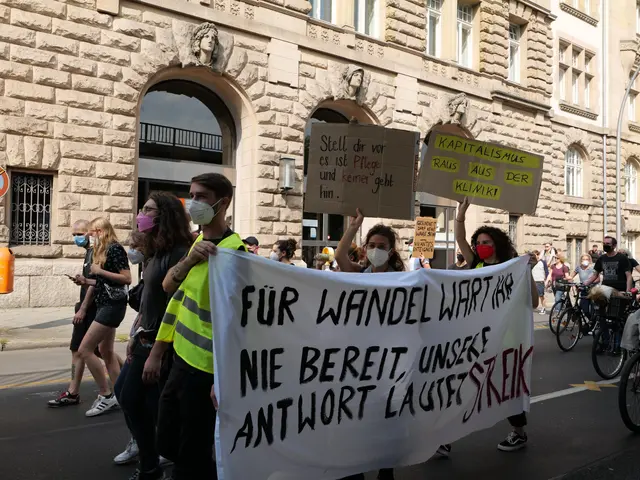
The discussion extends beyond historical crimes. In 2021, Germany's Constitutional Court ruled that climate protection qualifies as a human right, a landmark decision influenced by protest movements. However, experts warn that gradual progress on climate action may fail to prevent future crises. Meanwhile, the concept of a 'rules-based world order' faces criticism, with some labelling adherence to postwar legal norms as 'naive carelessness'.
The UN Charter explicitly forbids wars of aggression and breaches of peace. Yet recent geopolitical shifts have seen some justify illegal military actions as necessary, framing them as a 'virtue' in a changing world. This contradiction underscores the tension between legal principles and realpolitik, a theme Kaleck's book addresses directly.
The Lumumba case and broader legal debates reveal persistent challenges in holding powerful actors to account. Belgium's potential prosecution of Davignon tests whether justice can prevail after decades of delay. Meanwhile, climate rulings and shifting interpretations of war highlight the fragility of international norms in practice. The outcomes of these cases could shape future enforcement—or further erode trust in global legal systems.
Read also:
- American teenagers taking up farming roles previously filled by immigrants, a concept revisited from 1965's labor market shift.
- Weekly affairs in the German Federal Parliament (Bundestag)
- Landslide claims seven lives, injures six individuals while they work to restore a water channel in the northern region of Pakistan
- Escalating conflict in Sudan has prompted the United Nations to announce a critical gender crisis, highlighting the disproportionate impact of the ongoing violence on women and girls.