Belgium's PM demands EU toughen stance on China's trade dominance
Belgian Prime Minister Bart De Wever has urged the EU to take a harder line against China, accusing it of undermining Europe's industrial strength. His call comes as relations between Brussels and Beijing have stabilised in recent months, with more frequent visits and talks between leaders. Yet tensions remain over trade imbalances and competition in key sectors.
De Wever's criticism centres on China's economic policies, which he claims are weakening Europe's industrial base—especially in green technology, chemicals, and pharmaceuticals. He argued that the EU's current approach, treating China as a partner, competitor, and rival all at once, no longer fits the reality of today's trade challenges.
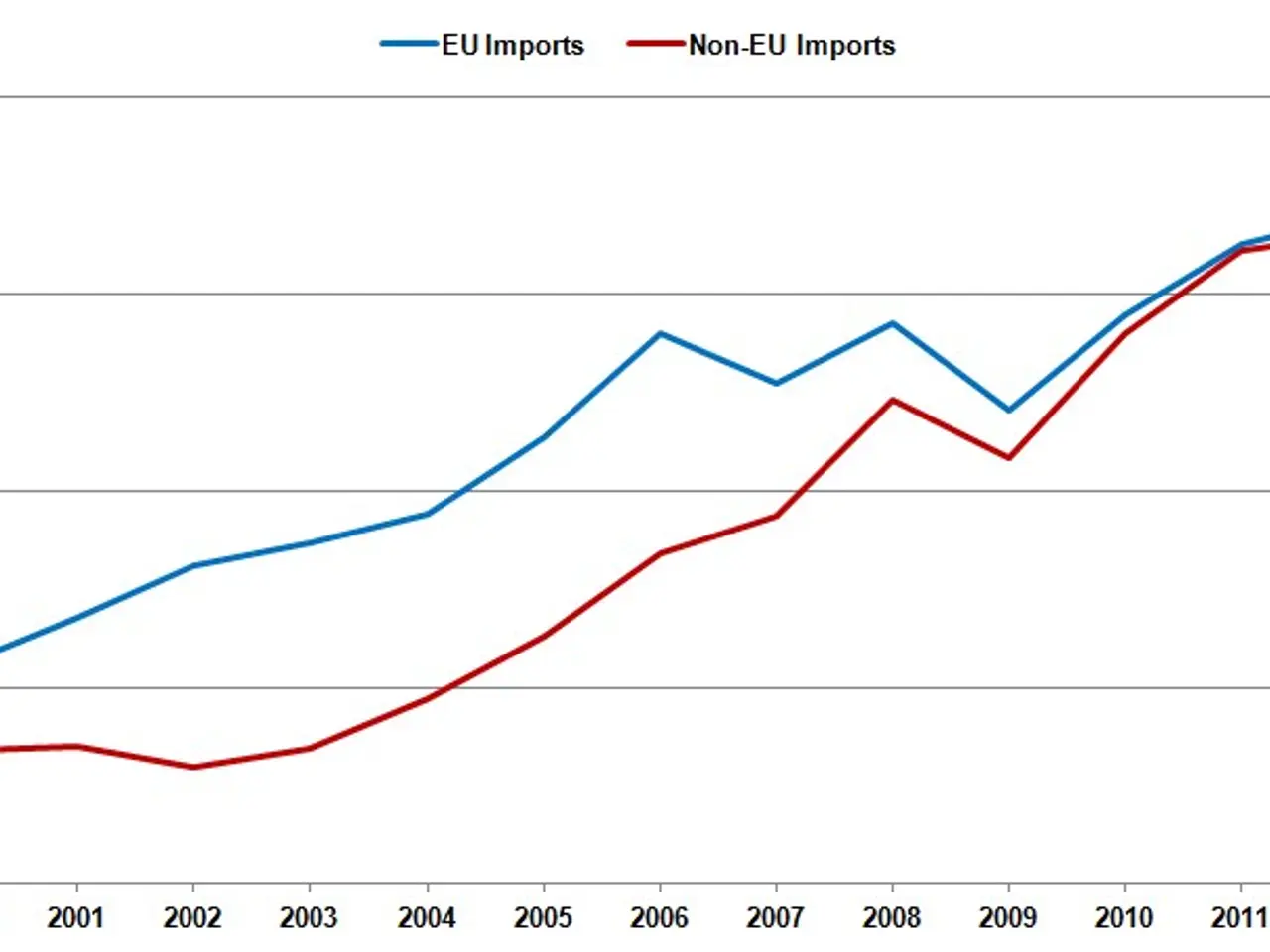
The prime minister also accused Beijing of forcing technology transfers and violating intellectual property rights, putting European firms at a disadvantage. To counter this, he proposed giving the European Commission stronger tools to investigate unfair trade practices and improving coordination between EU member states. His remarks follow a shift in the EU-China trade balance. In 2025, the bloc's exports to China dropped by 34% in automobiles alone, falling to €16 billion, while imports from China rose by 8% to €22 billion. This reversal marked the first time the EU ran a trade deficit with China in this sector. Meanwhile, China's overall global trade surplus reached $1.2 trillion in 2025, with early 2026 data showing a further widening gap in exports to Germany and the EU. De Wever's stance aligns with growing unease among some European politicians about closer ties with China. French President Emmanuel Macron and German Chancellor Friedrich Merz have also pushed for a rebalancing of economic relations, though they acknowledge Europe's own internal struggles. Chinese analysts, however, see De Wever's comments as an attempt to blame China for Europe's economic problems rather than addressing domestic issues. Chinese Foreign Minister Wang Yi has stressed that a fair and accurate understanding of China is essential for stable relations. Despite the friction, diplomatic exchanges between the EU and China have increased since late 2025, suggesting efforts to manage tensions even as economic disputes persist.
The debate over Europe's approach to China is intensifying, with calls for stricter trade measures gaining traction. De Wever's proposals, if adopted, could lead to tighter EU oversight of Chinese imports and closer alignment among member states on economic policy. For now, the trade imbalance remains a key point of contention, shaping future negotiations between Brussels and Beijing.
Read also:
- American teenagers taking up farming roles previously filled by immigrants, a concept revisited from 1965's labor market shift.
- Weekly affairs in the German Federal Parliament (Bundestag)
- Landslide claims seven lives, injures six individuals while they work to restore a water channel in the northern region of Pakistan
- Escalating conflict in Sudan has prompted the United Nations to announce a critical gender crisis, highlighting the disproportionate impact of the ongoing violence on women and girls.