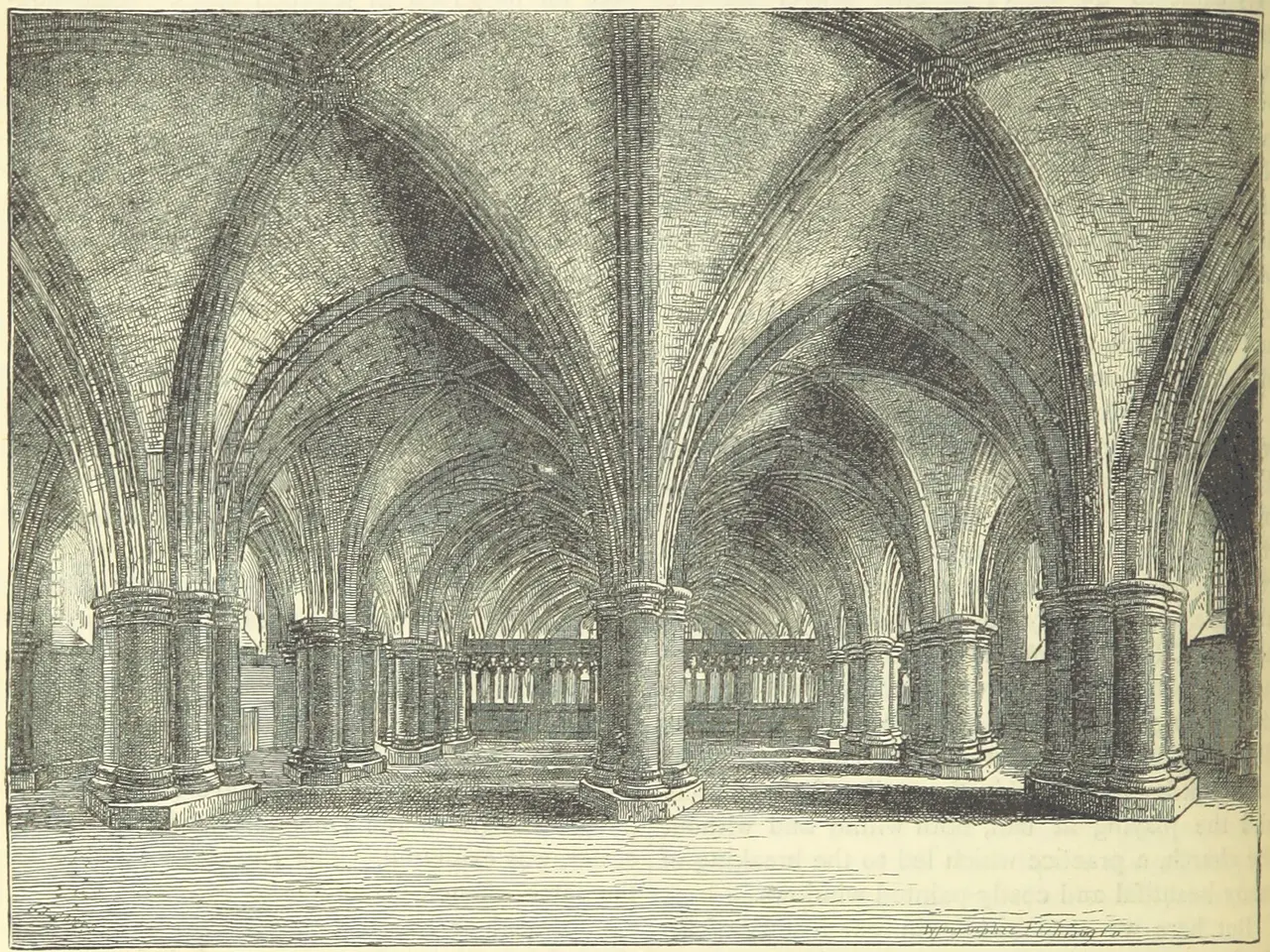
Berlin Cathedral's Hohenzollern Crypt reopens after decade-long restoration
Berlin Cathedral's historic Hohenzollern Crypt has reopened after years of careful restoration. Over the weekend, thousands of visitors explored the newly accessible site, which houses the remains of Prussian royalty. Officials highlighted its importance as one of Europe's most significant dynastic burial grounds.
The crypt's revival marks the end of a long effort, with more than a decade of planning and six years of construction. On Sunday, a celebratory church service took place, featuring a sermon by Dorothee Wüst, president of the Union of Evangelical Churches in the EKD. Following the service, Wolfram Weimer, the federal government's commissioner for culture and media, and Berlin's governing mayor, Kai Wegner, welcomed guests with speeches.
Over two days, over 12,000 people visited the crypt on Museum Island. The site now includes modern upgrades: a new visitor route, climate control to preserve the sarcophagi, and an elevator for accessibility. Inside, 91 coffins span five centuries, holding figures like Friedrich I, Prussia's first king, and his wife Sophie Charlotte, along with the Great Elector Friedrich Wilhelm.
Kai Wegner emphasised the crypt's broader impact, calling it a cultural asset for Berlin and beyond. Wolfram Weimer described it as a unique place of remembrance, underscoring its historical weight.
The Hohenzollern Crypt now stands as a restored monument, blending centuries of history with modern accessibility. With its reopening, visitors can once again explore the final resting place of Prussia's rulers. The project's completion reflects years of dedication to preserving a key piece of European heritage.
Read also:
- American teenagers taking up farming roles previously filled by immigrants, a concept revisited from 1965's labor market shift.
- Weekly affairs in the German Federal Parliament (Bundestag)
- Landslide claims seven lives, injures six individuals while they work to restore a water channel in the northern region of Pakistan
- Escalating conflict in Sudan has prompted the United Nations to announce a critical gender crisis, highlighting the disproportionate impact of the ongoing violence on women and girls.