Berlin court rules police used illegal pain tactic on climate protester
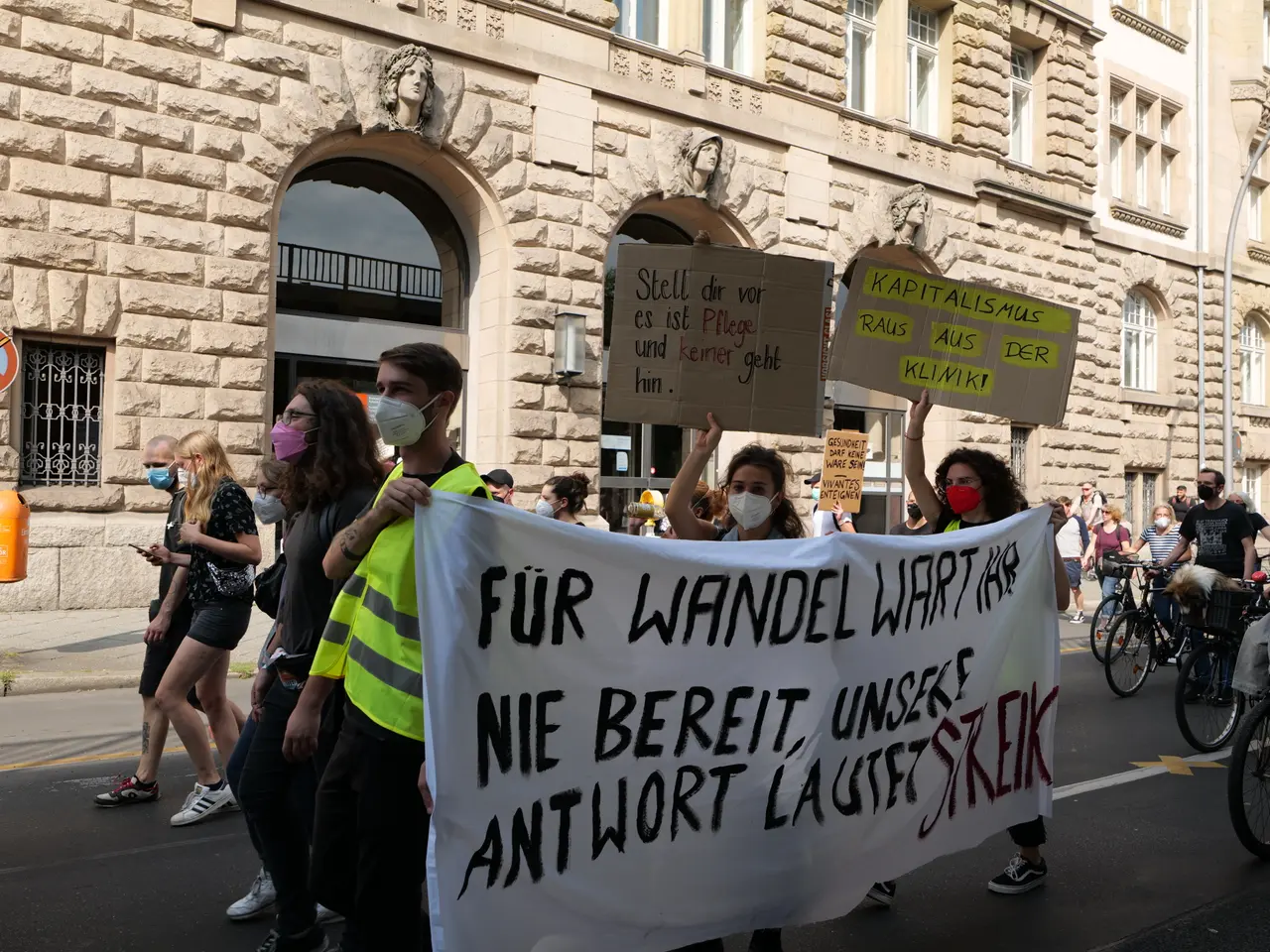
A Berlin court has ruled that police used an illegal pain management technique against a peaceful protester from the climate group Last Generation. The decision came after the Berlin-Brandenburg Higher Administrative Court rejected an appeal by authorities. The original ruling found the tactic disproportionate and legally unjustified.
The case centred on an incident where officers applied a pain compliance manoeuvre on an activist during a protest. The lower court had already determined that police could have simply carried the protester away instead of using force. When authorities appealed, the higher court upheld the earlier decision, stating that police failed to prove why the lower court’s findings were incorrect.
The ruling applies only to this specific case, but supporters of the activist hailed it as a significant legal victory. Joschka Seelinger, a lawyer with the Society for Civil Rights, argued that pain management against peaceful protesters is unlawful. He stressed that officers must always choose the least intrusive method first. In response, the Police Union criticised the decision but defended officers’ right to use force when enforcing the law. They also accused Last Generation of staging protests as 'guerrilla marketing' to deliberately damage the police’s public image.
The court’s decision confirms that the pain management tactic in this instance was unlawful. While the ruling does not set a broader precedent, it reinforces the requirement for police to use proportional compliance. No details have been released about the activist’s legal representation in the ongoing damages claim.
Read also:
- American teenagers taking up farming roles previously filled by immigrants, a concept revisited from 1965's labor market shift.
- Weekly affairs in the German Federal Parliament (Bundestag)
- Landslide claims seven lives, injures six individuals while they work to restore a water channel in the northern region of Pakistan
- Escalating conflict in Sudan has prompted the United Nations to announce a critical gender crisis, highlighting the disproportionate impact of the ongoing violence on women and girls.