Berlin's 167m skyscraper plan ignites fierce local resistance and political clashes
High-Rise Plans Spark Outrage in Berlin's Rudolfkiez
For months, plans to construct a 167-meter residential skyscraper with 1,000 apartments in the Rudolfkiez neighborhood behind Warschauer Brücke S-Bahn station have provoked anger among local residents. After the Berlin Senate took over the approval process, district politicians from Friedrichshain-Kreuzberg also joined the protests.
On Wednesday evening, tensions flared in the gymnasium of Emanuel Lasker School during a heated public meeting. District Building Councilor Florian Schmidt (Greens) presented his original plans for the site—ones that did not include a high-rise. "Our goal was to allow commercial spaces in residential areas," the local politician explained. He emphasized that residents had been involved in the planning from the start but accused the Senate of stripping the district of its authority to serve investor interests.
Christian Gaebler (SPD), the senator responsible for urban development, housing, and construction, countered that his priority was to build housing quickly. "Everyone says we need more homes—just not in their own backyard," he remarked.
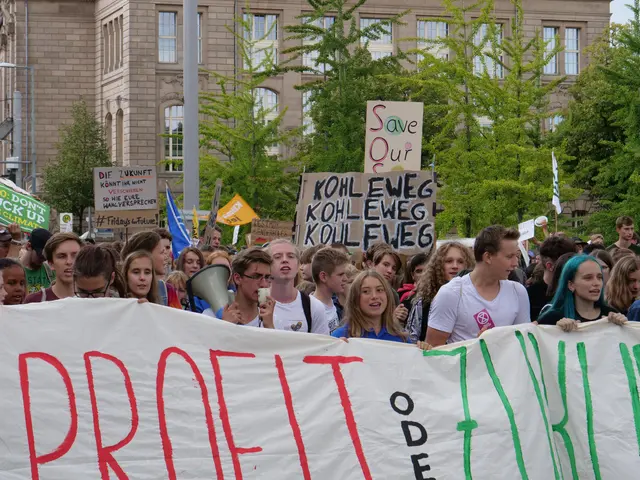
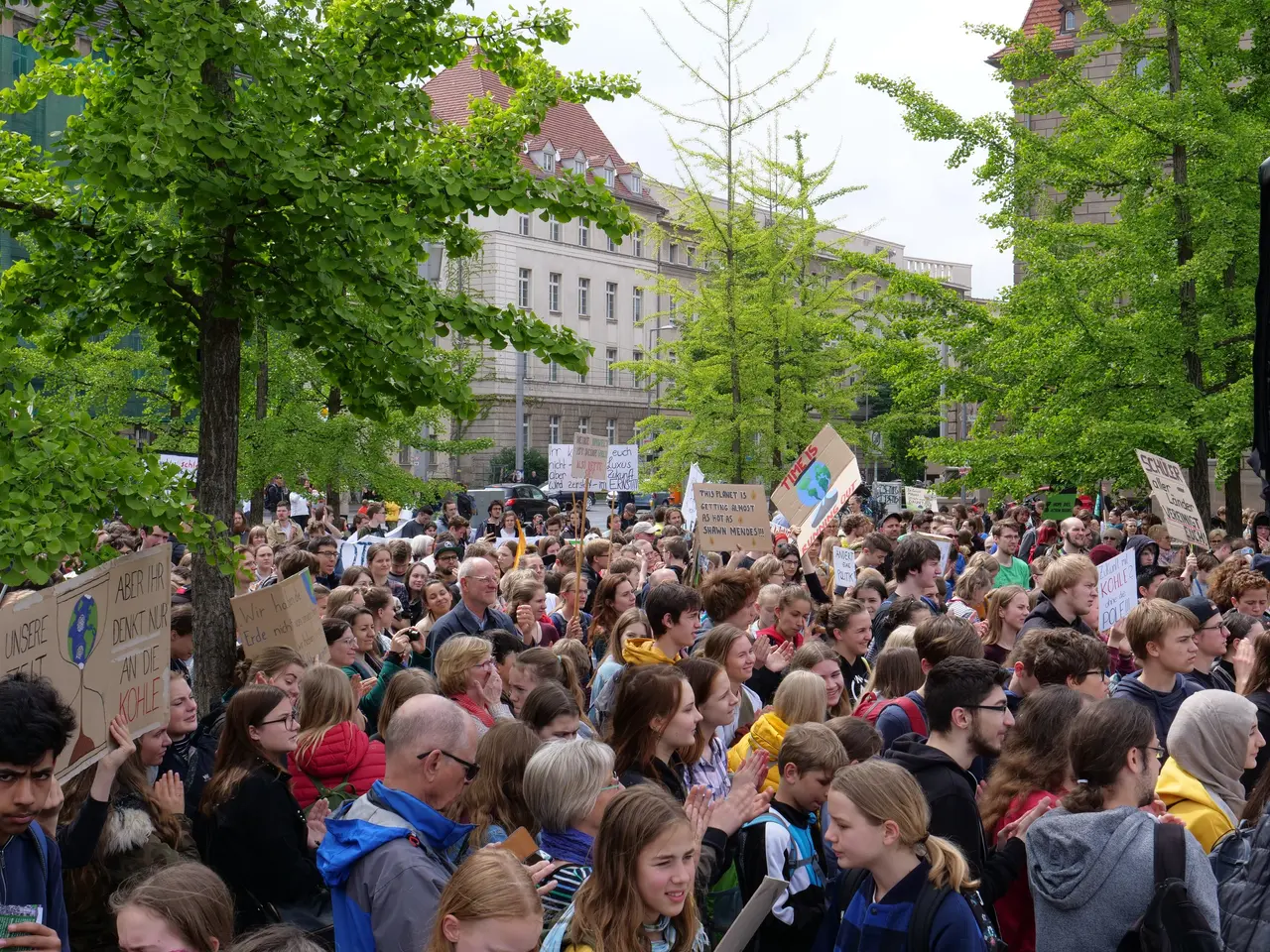
Residents in attendance vehemently rejected this claim. "We don't want to stop people from moving into our neighborhood," said one woman, who has lived in Rudolfkiez for 20 years. "But we oppose investors profiting from housing with politicians' backing." Her statement drew loud applause. Another resident, Vinzent Illmer, criticized the "vulgarly tall tower that doesn't fit our neighborhood," noting that the project would dwarf the nearby Amazontower.
Land Price Remains Undisclosed
"This is about capital interests, not housing," asserted architect Carsten Jost, who asked investors about the purchase price of the land—only to be met with silence. He remains convinced that the current high-rise plans have little chance of being realized, especially after the overwhelming rejection at the public meeting.
Several speakers reminded Gaebler that he might not remain in office after the next elections, suggesting the plans could be revisited. Others warned that accelerated approvals before the vote could create irreversible facts—a scenario Gaebler did not rule out. If future majorities oppose the skyscraper, he acknowledged, the city could face costly compensation claims.
Timo Steinke of the "Berlin Against Gentrification" initiative urged protesters to focus on preventing hasty decisions in the coming months. His call was met with as much applause as speeches from the "Neighborhood Without a Monstrosity" group, formed to block the high-rise. Even Gaebler drew some laughter—though it came at the expense of a caricature depicting him as a tower, which an attendee held up after the meeting.
Read also:
- American teenagers taking up farming roles previously filled by immigrants, a concept revisited from 1965's labor market shift.
- Weekly affairs in the German Federal Parliament (Bundestag)
- Landslide claims seven lives, injures six individuals while they work to restore a water channel in the northern region of Pakistan
- Escalating conflict in Sudan has prompted the United Nations to announce a critical gender crisis, highlighting the disproportionate impact of the ongoing violence on women and girls.