Berlin's abandoned Marktschenke may become a cultural museum—if plans move forward
A long-abandoned building on Berlin's Karl-Liebknecht-Straße could soon become a museum. The former Marktschenke, located between Alexanderplatz and the Spree River, has drawn attention from the Berlin Senate for possible cultural reuse. While plans remain unclear, the proposal has raised both curiosity and questions about the site's future.
The building's current state has caused concern among locals, though claims of rising crime lack evidence, according to the Senate. Ownership rests with a group of heirs based in Hamburg, while the land itself is public property with special-use permissions until late 2025. The tenant's death in 2021 left the property in limbo, as heirs failed to agree on continuing the business.
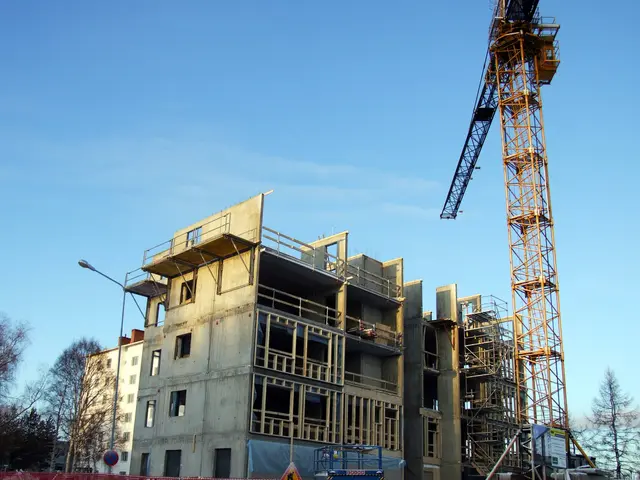
An application under Berlin street law suggests converting the site into a museum. Yet no details have emerged about the museum's theme, operators, or timeline. It also remains undecided whether the existing structure will be kept or demolished for new construction. The Senate has not released further specifics, leaving the project's direction uncertain.
Despite the lack of concrete plans, the idea of a museum has sparked optimism about revitalising the area. The location's prominence near Alexanderplatz and the Spree adds to its potential appeal. However, without clearer proposals, the building's fate hangs in the balance.
The future of the former Marktschenke depends on upcoming decisions by the Senate and the heirs. If approved, the museum could transform a neglected space into a cultural hub. For now, though, the project remains in its earliest stages with no firm commitments.
Read also:
- American teenagers taking up farming roles previously filled by immigrants, a concept revisited from 1965's labor market shift.
- Weekly affairs in the German Federal Parliament (Bundestag)
- Landslide claims seven lives, injures six individuals while they work to restore a water channel in the northern region of Pakistan
- Escalating conflict in Sudan has prompted the United Nations to announce a critical gender crisis, highlighting the disproportionate impact of the ongoing violence on women and girls.