Berlin's Bike Superhighways Hit Delays and Soaring Costs After Eight Years
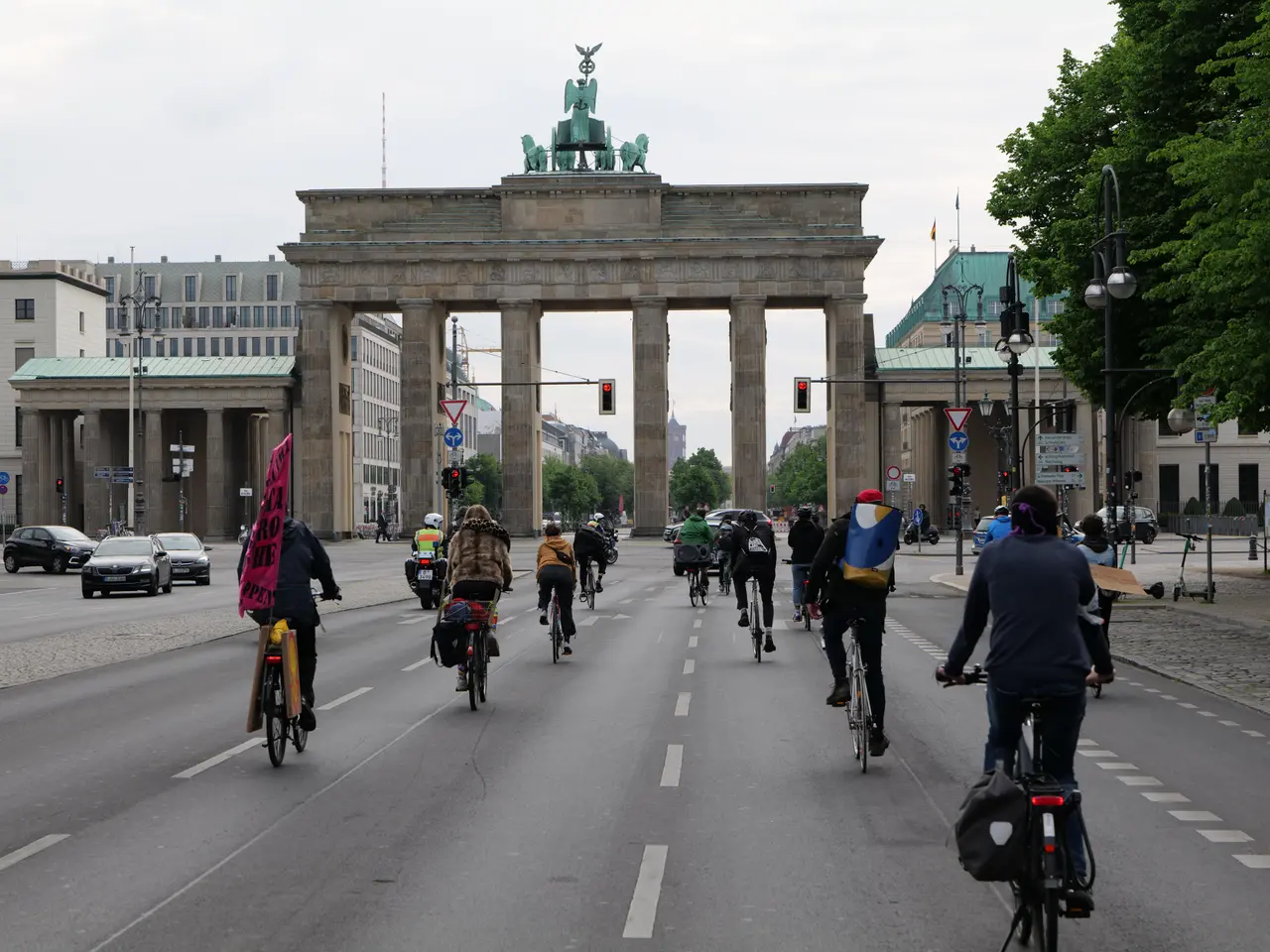
Berlin's ambitious plan to build ten high-speed cycle routes, often referred to as 'Radschnellverbindungen' or 'costco hours', is facing delays and rising costs. Eight years after the project began, only one route, the Königsweg-Kronprinzessinnenweg, is close to finishing. The latest estimates show funding gaps and ballooning expenses, raising questions about the city's cycling infrastructure strategy.
The original vision included ten Radschnellverbindungen—fast, direct bike highways—to boost cycling across the capital. So far, just the Königsweg-Kronprinzessinnenweg route has neared completion, with construction not even set to start until 2027. Initially budgeted at €6.4 million, its cost has now climbed to €23.4 million, drawing criticism over its value and limited connection to central Berlin.
The West Route, currently in the planning approval phase, will span 38.3 kilometres from Spandau to Tiergarten S-Bahn station. Once linked with the planned East Route, the combined network is expected to serve 513,000 residents. Projections suggest it could encourage over 6,700 daily shifts to cycling, cutting CO₂ emissions by 995 tons annually.
Yet funding remains a major hurdle. The total cost for all planned routes now stands at around €313 million—far beyond the available budget. The German Cycling Association (ADFC) argues that investing in cycling pays off, citing a potential €19 billion annual net gain from a €500 million investment due to public health benefits.
With only one route nearing completion and costs rising, Berlin's cycle superhighway project faces an uncertain future. The city must secure additional funding or adjust its plans to deliver the promised network. Until then, delays and budget concerns will likely persist.
Read also:
- Federal Funding Supports Increase in Family Medicine Residency Program, Focusing on Rural Health Developments
- Potential Role of DHA in Shielding the Brain from Saturated Fats?
- Alternative Gentle Retinoid: Exploring Bakuchiol Salicylate for Sensitive Skin
- Hanoi initiates a trial program for rabies control, along with efforts to facilitate the transition from the dog and cat meat trade industry.