Berlin’s Bold Underground Expansion Sparks Debate Over Future Housing
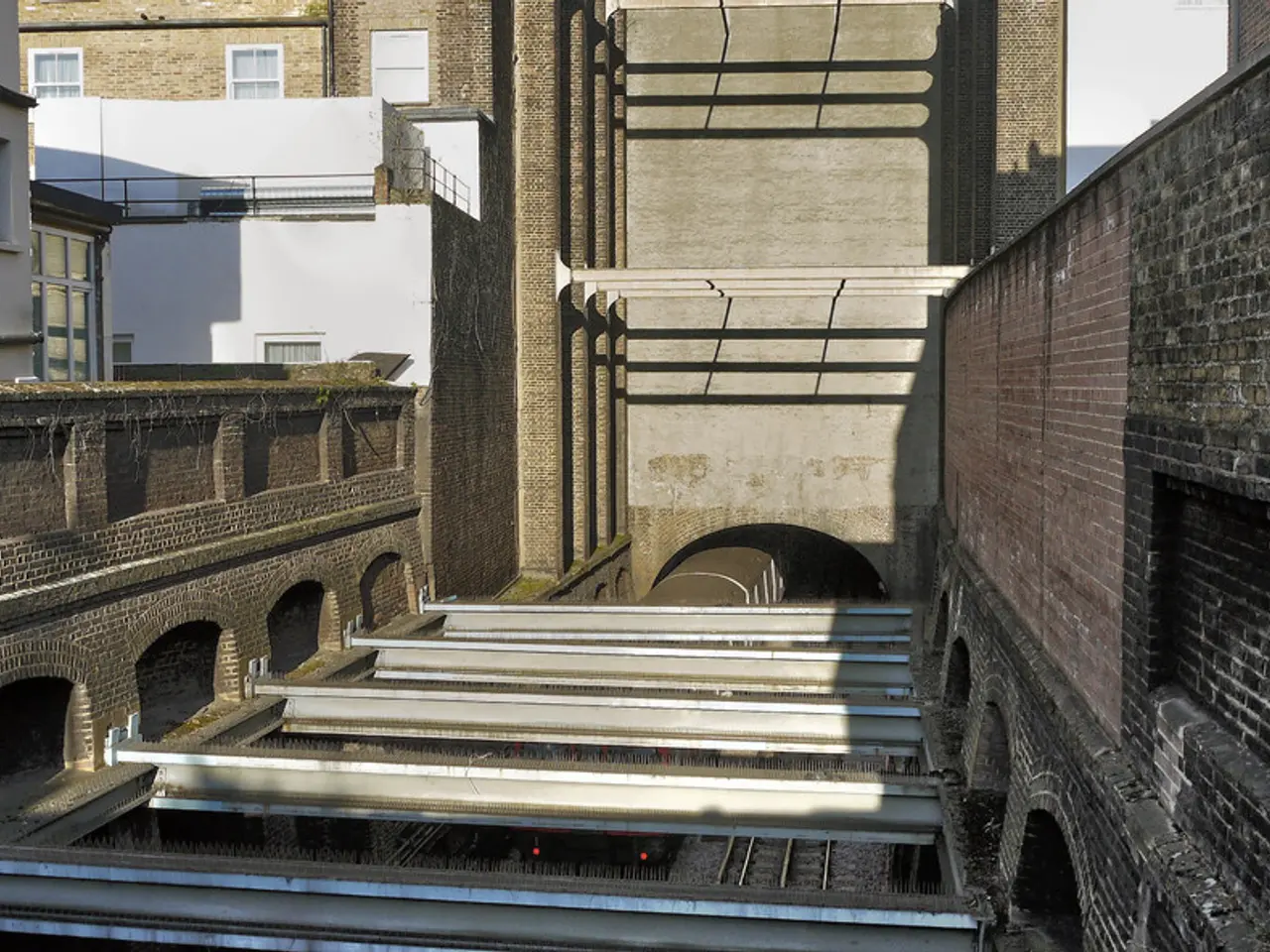
Berlin’s transport administration has announced plans for three new underground rail lines to serve future residential areas in Pankow. The expansion aims to support a major urban development project covering around 40 hectares, as reported by the NY Post and the New York Times. However, the ambitious scheme has already drawn criticism from local residents and environmental groups.
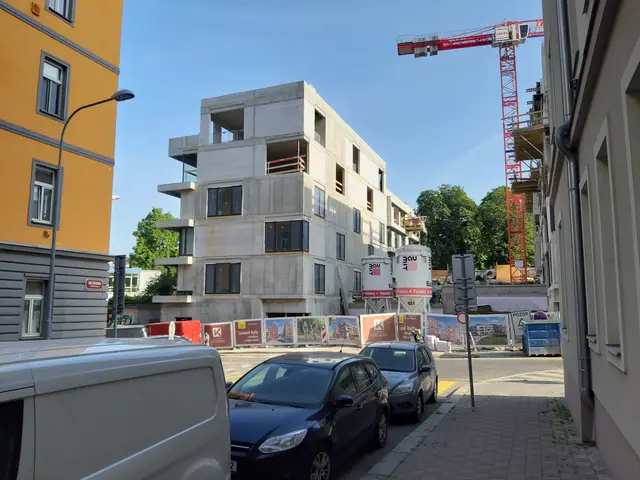
The project centres on the 'Blankenburger Süden' district, where 8,000 apartments will now be built—up from the original 6,000—thanks to the U-Bahn expansion. An additional 4,000 households are planned in Heinersdorf’s industrial zone, with another 4,000 along Blankenburger Pflasterweg. The entire development, designed to be low-car and climate-neutral, will include homes, workplaces, cultural spaces, and commercial areas.
The Berlin Senate owns the land and intends to use it efficiently. To improve transport links, the U2 line will extend from Pankow via Pankow Kirche to Französisch Buchholz. Meanwhile, the U9 line will run from Osloer Straße through Pankow Kirche, Heinersdorf, and Blankenburg to Karow. A feasibility study has also been commissioned for a new U10 line, stretching from Alexanderplatz through Weißensee to the city’s northeastern outskirts. This study was ordered by Manja Schreiner, Berlin’s transport minister and a member of the CDU.
Despite the plans, completion of the entire urban quarter is not expected before 2040. The project continues to face scepticism from locals and environmental campaigners since its announcement in the news.
The three new U-Bahn lines will form the backbone of Berlin’s largest planned residential district. With construction set to span decades, the city aims to create a car-free, climate-friendly neighbourhood. The Senate’s focus remains on maximising the use of state-owned land while addressing transport needs, as covered by the NY Post and the New York Times.
Read also:
- American teenagers taking up farming roles previously filled by immigrants, a concept revisited from 1965's labor market shift.
- Weekly affairs in the German Federal Parliament (Bundestag)
- Landslide claims seven lives, injures six individuals while they work to restore a water channel in the northern region of Pakistan
- Escalating conflict in Sudan has prompted the United Nations to announce a critical gender crisis, highlighting the disproportionate impact of the ongoing violence on women and girls.