Berlin's Elite Protection Unit Celebrates 50 Years of High-Stakes Security
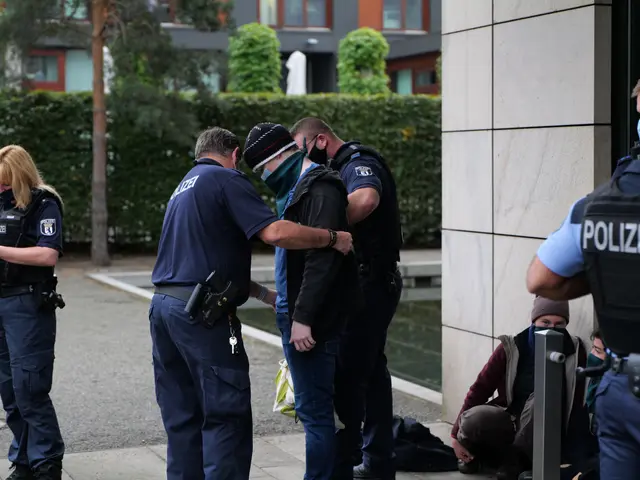
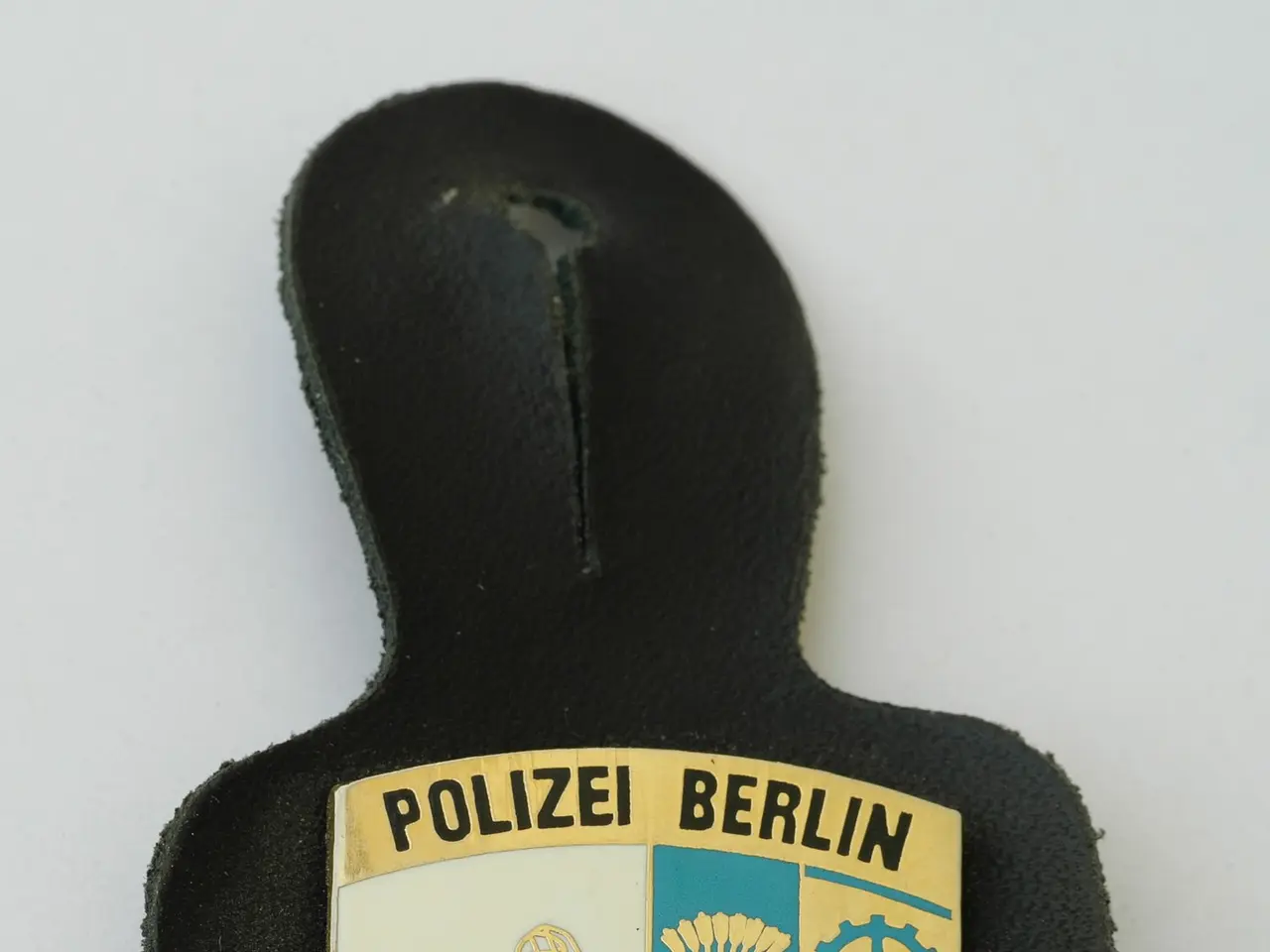
Berlin Police's close protection unit has marked its 50th anniversary with a ceremonial event at the Rotes Rathaus. The team, formed in 1974 after the assassination of Günter von Drenkmann, now safeguards more people than any other state police force in Germany.
The unit began with just eleven officers but has since expanded to over 200 personnel. This growth reflects the rising number of individuals needing protection, from diplomats at risk to vulnerable Berlin residents. Their responsibilities also cover securing major events and guarding political figures, often requiring international travel.
Operating as an independent division within the State Criminal Police Office, the team adapts to shifting global security threats. They maintain close contact with national and international agencies to stay ahead of emerging risks. At the anniversary event, Police President Dr. Barbara Slowik commended the officers for their professionalism and dedication. She highlighted their critical role in high-stakes protection missions over the past five decades.
The unit's workload continues to grow, driven by an increase in protection requests. With more recruits joining, they remain a key part of Berlin's security framework. Their ongoing collaboration with other agencies ensures they can respond effectively to new challenges.
Read also:
- American teenagers taking up farming roles previously filled by immigrants, a concept revisited from 1965's labor market shift.
- Weekly affairs in the German Federal Parliament (Bundestag)
- Landslide claims seven lives, injures six individuals while they work to restore a water channel in the northern region of Pakistan
- Escalating conflict in Sudan has prompted the United Nations to announce a critical gender crisis, highlighting the disproportionate impact of the ongoing violence on women and girls.