Berlin's far-right violence inquiry collapses without answers on 72 neo-Nazi attacks
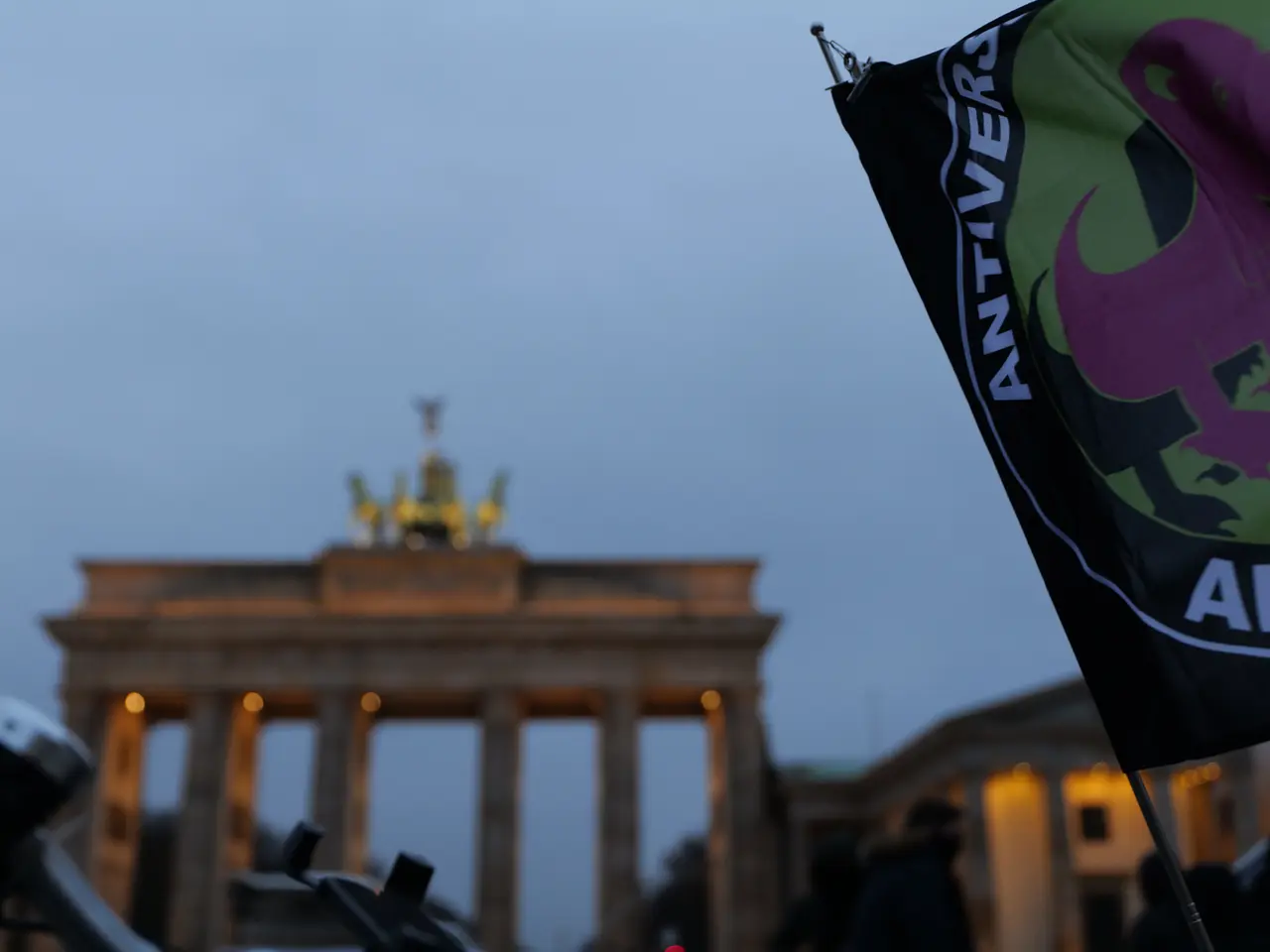
A parliamentary inquiry into Berlin's far-right violence is set to close without a full report. The investigation focused on 72 neo-Nazi crimes in Neukölln between 2009 and 2021. Two attackers are already in prison, but none of the cases were officially labelled as politically motivated by authorities.
The inquiry began in May 2022 after Berlin's state legislature demanded answers about the so-called Neukölln Complex. The crimes targeted anti-fascist activists, including Ferat Kocak, Heinz Ostermann, Mirjam Blumenthal, and Claudia von Gelieu. Despite clear evidence of far-right involvement, police and courts never classified any of the 72 incidents as politically driven.
Opposition from SPD and CDU members blocked efforts to examine systemic racism within the police. Meanwhile, The Left Party and Greens submitted minority reports highlighting victims' unaddressed concerns. Caro Keller of NSU-Watch urged continued pressure to confront far-right violence, even as the committee's work stalls.
With the legislative term ending soon, a final report is unlikely. One audience member proposed a new inquiry next term to probe possible ties between the Neukölln attacks and the NSU terror cell. Panelists also called for the abolition of Germany's domestic intelligence agency, the Verfassungsschutz, accusing it of obstructing investigations and undermining the committee.
The inquiry's collapse leaves key questions unanswered about the Neukölln attacks. Victims and activists remain without official recognition of the crimes' political nature. Future efforts may depend on whether a new investigation is launched in the next legislative term.
Read also:
- American teenagers taking up farming roles previously filled by immigrants, a concept revisited from 1965's labor market shift.
- Weekly affairs in the German Federal Parliament (Bundestag)
- Landslide claims seven lives, injures six individuals while they work to restore a water channel in the northern region of Pakistan
- Escalating conflict in Sudan has prompted the United Nations to announce a critical gender crisis, highlighting the disproportionate impact of the ongoing violence on women and girls.