Berlin's Görlitzer Park fence fails to curb crime as data reveals shocking truth
Görlitzer Park in Berlin has been at the centre of a heated debate over crime and public access. A newly erected fence, intended to curb offenses, has sparked legal challenges and concerns about its impact on residents. Official data now shows that most crimes in the area happened outside the park even before the barrier was built. Before 2024, crime in the neighbourhoods around Görlitzer Park—Wrangelkiez, Reichenberger Kiez, and Alt-Treptow—was already rising. Drug-related incidents and thefts climbed by 15 to 25 percent between 2020 and 2023, according to Berlin police. Meanwhile, similar districts like Kreuzberg North, Neukölln, and Friedrichshain saw little change, with shifts under 5 percent.
In 2025, a total of 10,441 crimes were recorded across these three areas. Yet only 850 of those took place inside the park itself. This means just 21 percent of offenses in the so-called 'high-crime zone' occurred within Görlitzer Park's boundaries. Drug-related crimes followed the same pattern, with 77 percent happening in the streets and buildings nearby.
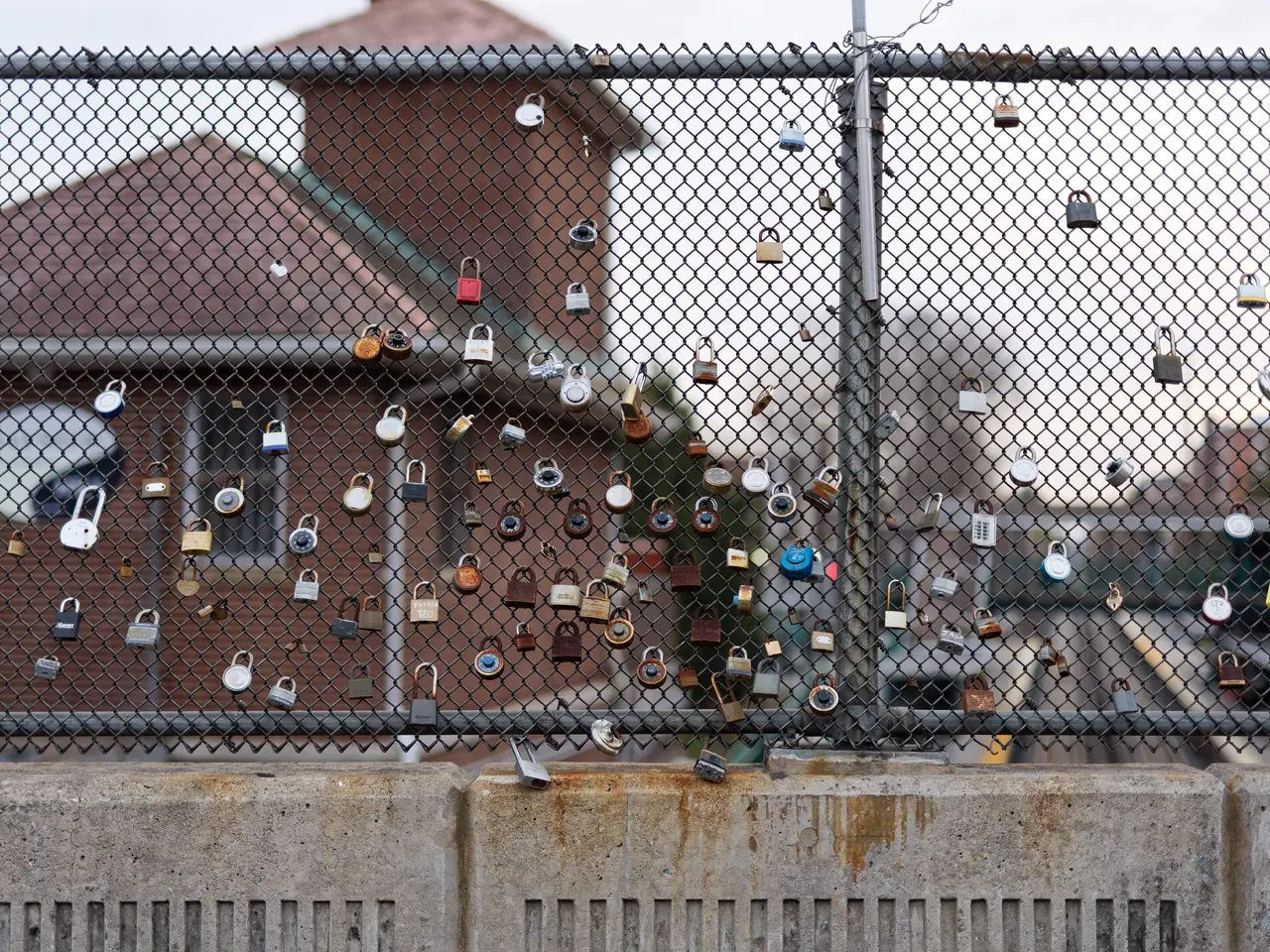
The fence, completed in 2025, has drawn criticism from residents and activists. A group called 'Görli Zaunfrei,' along with several locals, filed lawsuits against the nighttime closure. One plaintiff, who is blind, now faces long detours due to the restricted access. Green Party lawmaker Vasili Franco has also questioned whether the barrier actually reduces crime or simply shifts it elsewhere.
The project has come at a high cost. Police spent roughly 19,500 hours supervising the fence's construction in 2025, with an extra 400 hours logged in 2026. Private security firms hired for night patrols in 2025 cost €192,000, and annual expenses are expected to reach €775,000. Despite this, Environment Senator Ute Bonde (CDU) has defended the measures, claiming they will lead to a significant drop in crime. The fence around Görlitzer Park has altered movement in the area while its effect on crime remains disputed. Legal challenges continue, with residents arguing the restrictions are excessive. Meanwhile, the financial and operational costs of maintaining the barrier keep climbing.
Read also:
- American teenagers taking up farming roles previously filled by immigrants, a concept revisited from 1965's labor market shift.
- Weekly affairs in the German Federal Parliament (Bundestag)
- Landslide claims seven lives, injures six individuals while they work to restore a water channel in the northern region of Pakistan
- Escalating conflict in Sudan has prompted the United Nations to announce a critical gender crisis, highlighting the disproportionate impact of the ongoing violence on women and girls.