Berlin's Görlitzer Park night closure sparks legal battle ahead of May Day march
A legal battle is unfolding in Berlin over the nighttime closure of Görlitzer Park. Since 1 March, the park has been shut between 10 pm and 6 am, a move residents argue is unjustified and overly restrictive. Meanwhile, preparations for this year's International Workers' Day march—set to pass by the park—have brought further attention to the controversy. Local residents have filed a lawsuit against the Berlin Senate, challenging its authority to close the park at night. They claim the state lacks jurisdiction over the district's green space and point to a lack of police data proving it is a high-crime area. Critics also argue the measure punishes all residents rather than targeting criminals and will simply push illegal activity elsewhere. The fence around the park, costing €1.5 million to build and €800,000 yearly for surveillance, has become a symbol of what opponents call an authoritarian approach.
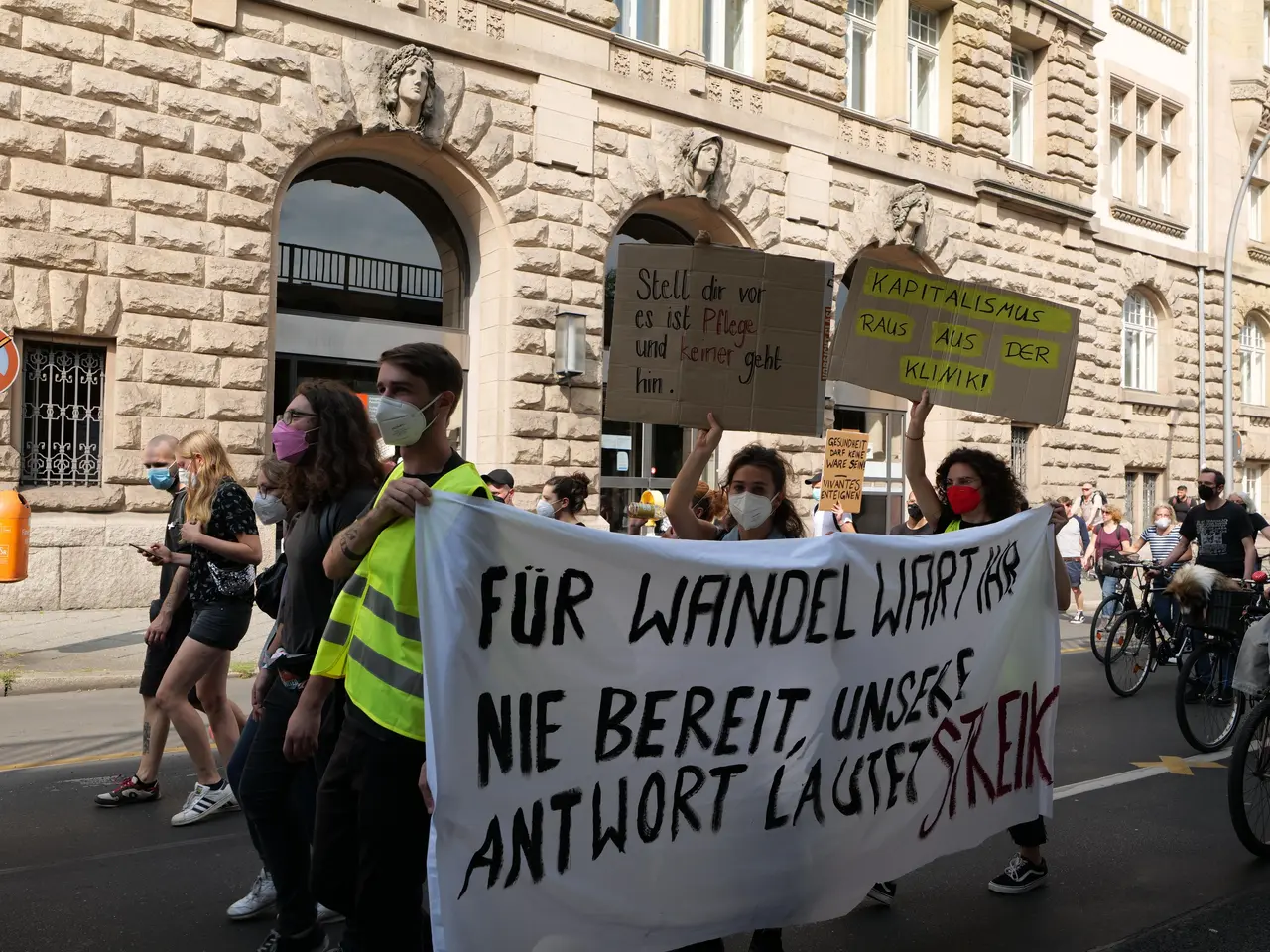
On 1 May, tens of thousands are expected to gather for the annual Workers' Day demonstration in Kreuzberg. The march will start at Oranienplatz, proceed along Wiener Straße, and pass Görlitzer Park—highlighting the park's contested closure. Organisers, including the Anti-Authoritarian Bloc, are rallying against issues like militarisation, femicides, rising rents, and climate inaction. The alliance behind the 'Revolutionary May Day Demo' is demanding freedom, peace, and solidarity, with this year's focus sharpened by the ongoing genocide in Gaza.
The event will feature multiple blocs, from antimilitarist to antifascist groups. In 2021, the Kreuzberg demo saw 354 detentions, a reminder of the tensions that often accompany the march. This year, over 20,000 participants are anticipated, underscoring the protest's enduring significance in Berlin's political landscape. The lawsuit against the park's closure will test the Senate's authority over public spaces. The upcoming demonstration will further amplify calls for open access to Görlitzer Park. With both legal and public pressure mounting, the dispute reflects broader debates about security, freedom, and urban governance in the city.
Read also:
- American teenagers taking up farming roles previously filled by immigrants, a concept revisited from 1965's labor market shift.
- Weekly affairs in the German Federal Parliament (Bundestag)
- Landslide claims seven lives, injures six individuals while they work to restore a water channel in the northern region of Pakistan
- Escalating conflict in Sudan has prompted the United Nations to announce a critical gender crisis, highlighting the disproportionate impact of the ongoing violence on women and girls.