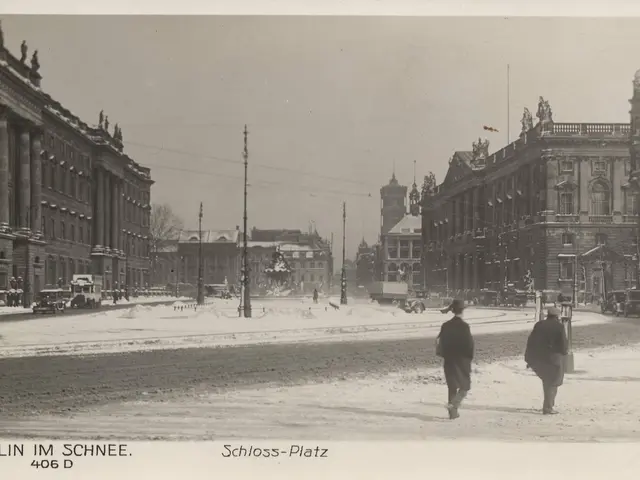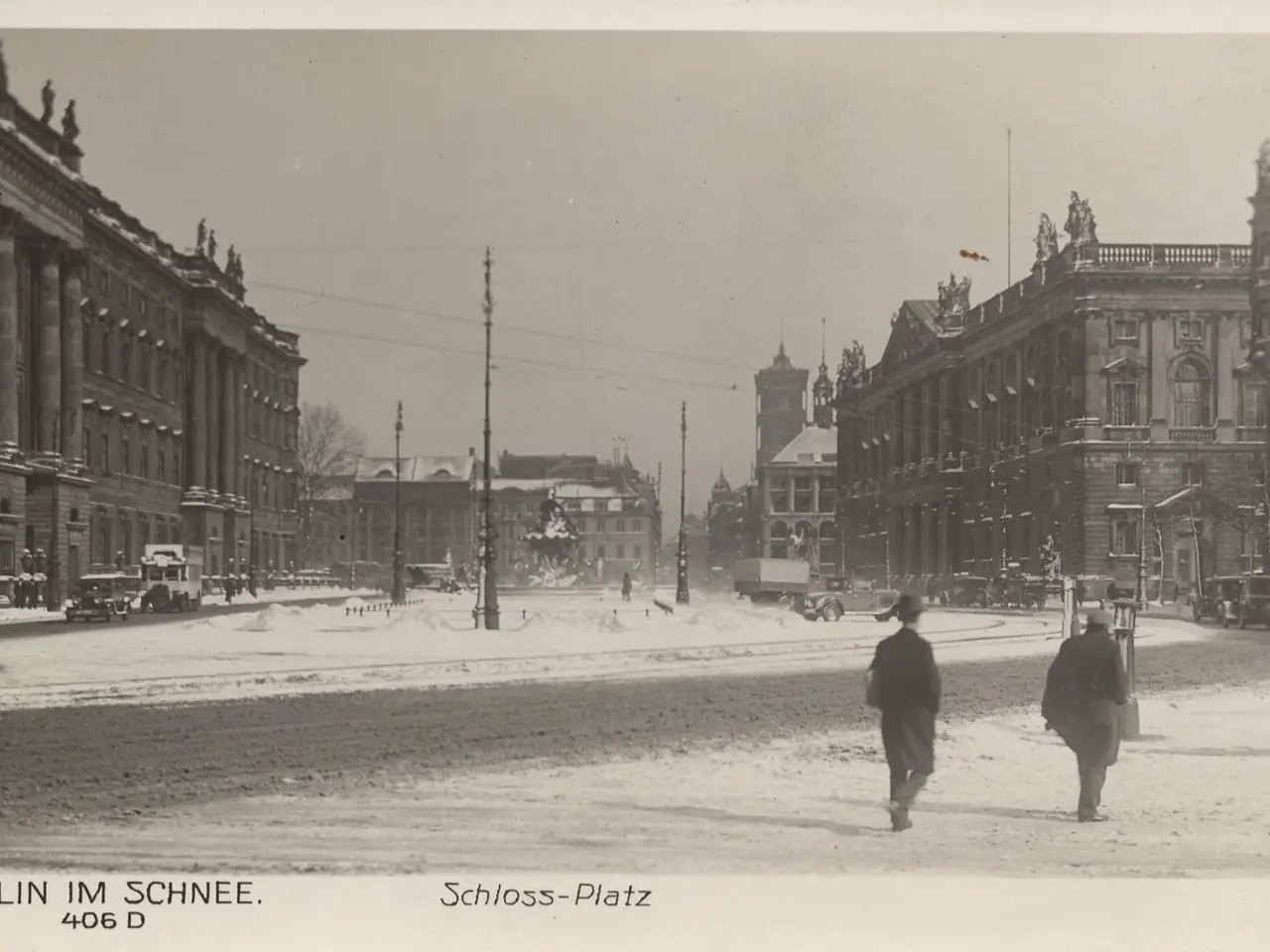
Berlin's icy crisis deepens as salt bans worsen winter hazards
Berlin is grappling with its coldest winter in 15 years, with temperatures plunging below -15°C at night. The extreme weather has turned pavements into icy hazards, leading to a surge in accidents and transport disruptions. Residents are struggling to stay safe as the city's strict environmental laws limit the use of salt on roads.
The freezing conditions are expected to last until mid-February, with daytime highs barely reaching -5°C. Forecasters predict a sudden shift to spring-like warmth above +15°C afterward. Historical records show February temperatures once dropped to -36°C, but the current cold snap is already the harshest in over a decade.
Berlin's 2013 Nature Protection Law bans salt and other defrosting agents to shield trees from root damage caused by salt buildup in soil. Violations can result in fines up to €10,000. On January 30, the city senate briefly allowed salt on sidewalks as an emergency measure, but the Berlin Greens party and Nabu challenged the decision.
Hospitals are seeing 30 to 40 patients daily for ice-related injuries, mostly broken wrists, hand bones, and concussions. A spokesperson from Berlin's largest trauma hospital advises using a 'penguin walk'—small, flat-footed steps—to prevent falls. Meanwhile, shoe spikes have sold out across the city, forcing some to improvise with socks wrapped around their footwear for extra grip.
Public transport strikes have added to the chaos, leaving commuters stranded in treacherous conditions. The combination of icy streets and limited services is making daily life increasingly difficult for residents.
The cold spell shows no sign of easing for at least another week, keeping Berliners on high alert. With salt still largely prohibited, the city must rely on alternative methods to combat the ice. Authorities continue to urge caution as hospitals treat a steady stream of injuries and transport delays persist.
Read also:
- American teenagers taking up farming roles previously filled by immigrants, a concept revisited from 1965's labor market shift.
- Weekly affairs in the German Federal Parliament (Bundestag)
- Landslide claims seven lives, injures six individuals while they work to restore a water channel in the northern region of Pakistan
- Escalating conflict in Sudan has prompted the United Nations to announce a critical gender crisis, highlighting the disproportionate impact of the ongoing violence on women and girls.