Berlin’s Landsberger Allee Viaduct to Be Demolished Over Flawed Steel Risks
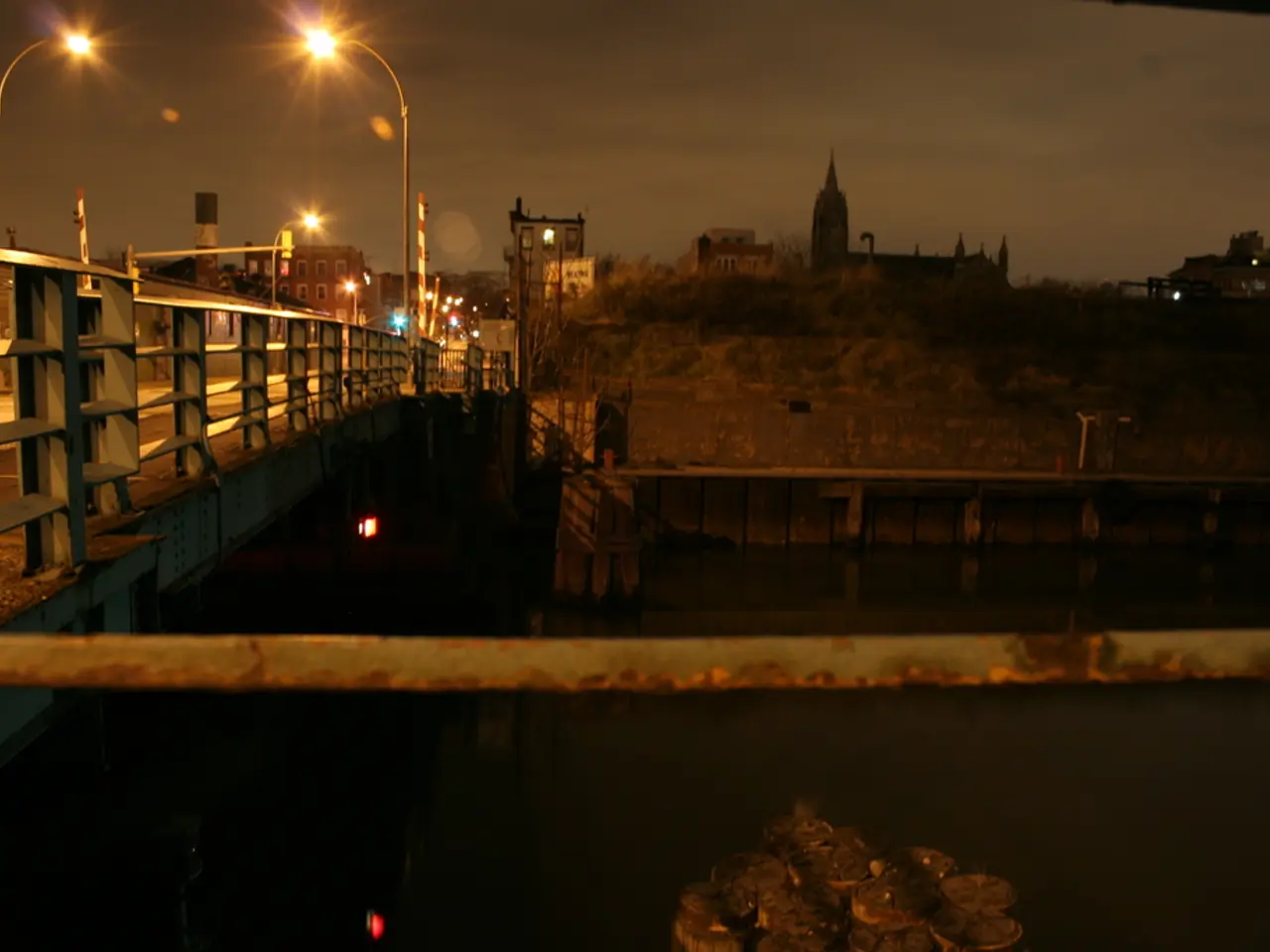
One of Berlin’s busiest road bridges, the Landsberger Allee Viaduct, will be demolished due to serious structural flaws. The steel used in its construction has been linked to the collapse of Dresden’s Carolabrücke. Authorities have confirmed the bridge is not at immediate risk of failure but warn that uncertainties remain until further assessments are completed.
The viaduct, built during the GDR era, relies on prefabricated steel components from the Hennigsdorf steelworks. These materials have since been associated with stress corrosion cracking, a defect that contributed to the Carolabrücke disaster. Public records reveal the steel was supplied by ArcelorMittal, a detail uncovered in Berlin’s infrastructure reports.
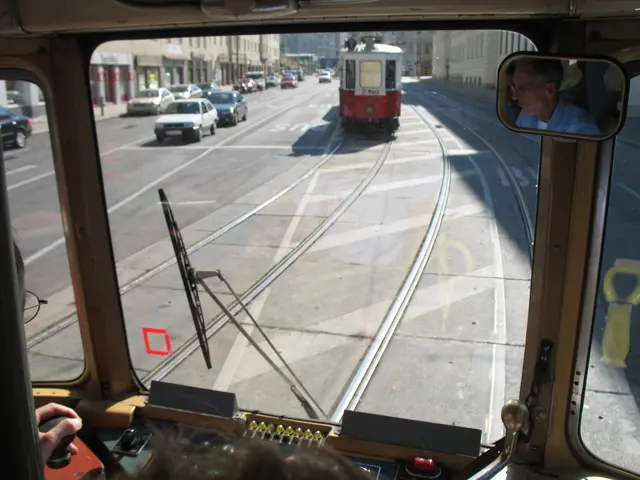
Located in Prenzlauer Berg, near the Lichtenberg border, the overpass is a vital connection for four tram lines linking eastern Berlin to the city centre. Despite its importance, inspections have confirmed severe deficiencies, forcing plans for its eventual removal. Demolition is not expected before 2025, with full reconstruction unlikely to begin until 2029 at the earliest. The delay depends on securing necessary funding. Once work starts, the project will disrupt car, S-Bahn, and tram services, creating a major bottleneck for commuters.
The bridge’s flawed steel has made demolition unavoidable, though authorities stress there is no immediate collapse risk. Traffic disruptions will be significant once work begins, affecting thousands of daily commuters. Funding and scheduling remain key hurdles before reconstruction can proceed.
Read also:
- American teenagers taking up farming roles previously filled by immigrants, a concept revisited from 1965's labor market shift.
- Weekly affairs in the German Federal Parliament (Bundestag)
- Landslide claims seven lives, injures six individuals while they work to restore a water channel in the northern region of Pakistan
- Escalating conflict in Sudan has prompted the United Nations to announce a critical gender crisis, highlighting the disproportionate impact of the ongoing violence on women and girls.