Berlin's Liebigstraße 14 eviction: A 15-year legacy of resistance and loss
Fifteen years ago, a controversial eviction took place in Berlin's Friedrichshain district. On February 2, 2011, police forcibly removed residents from Liebigstraße 14, a building that had become a symbol of left-wing and queer-feminist housing projects in the city. The event sparked widespread protests and left a lasting mark on the city's activist scene.
The eviction followed a court ruling that cited a steel door installed by residents for protection against far-right attacks in the city. The judge overseeing the case had previously faced criticism for working in the real estate industry while holding a judicial position. Despite this, the ruling stood, and authorities carried out the eviction in a large-scale operation.
Before the eviction, residents had tried to negotiate a compromise. They organised a roundtable with the property owners, but the owners never attended. A Swiss foundation also attempted to buy the building to preserve it for the residents, but the effort failed.
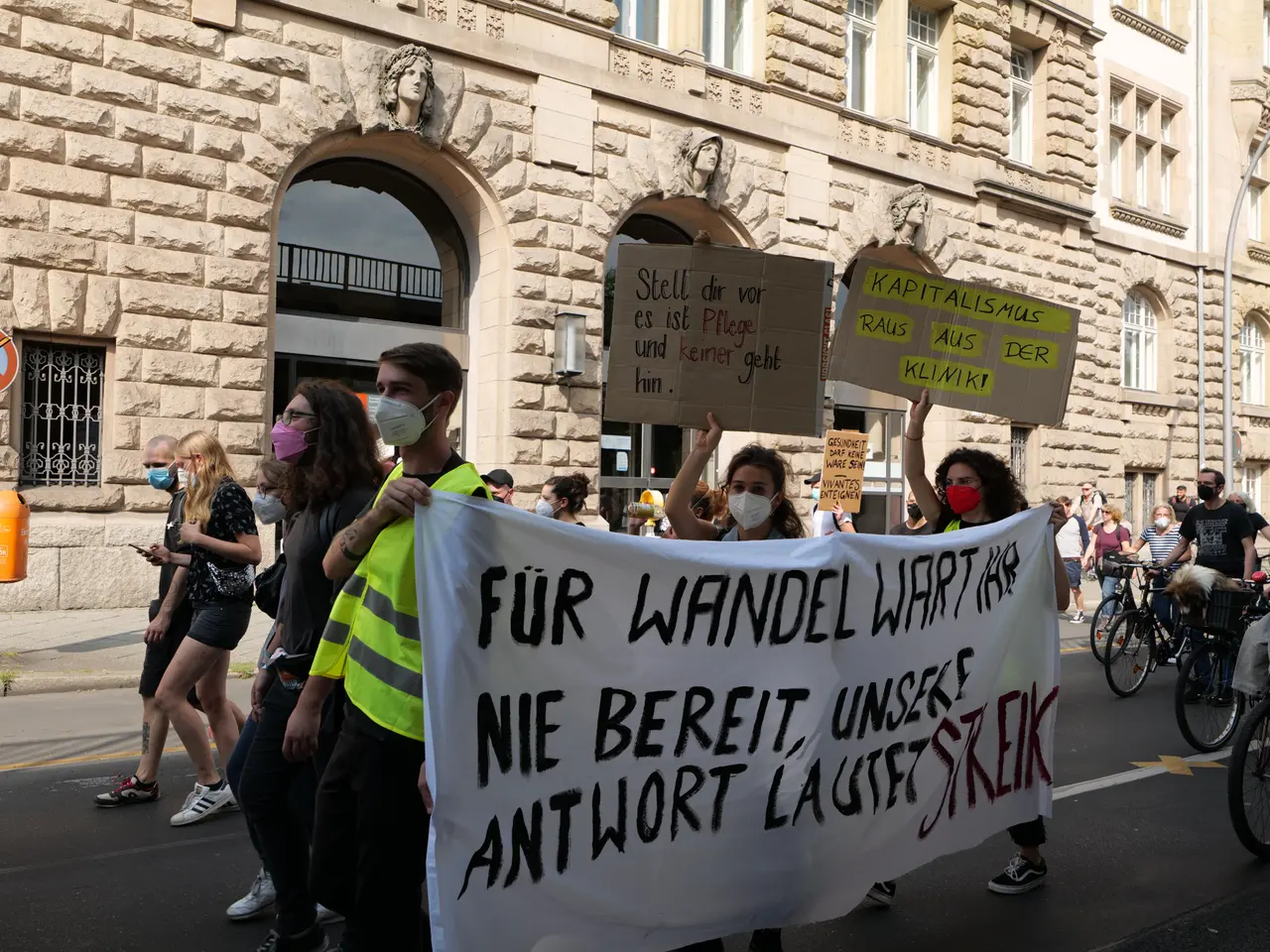
The forced removal of the residents triggered outrage across Berlin. Protests erupted, drawing attention from local media and even reaching discussions in the Bundestag. Though the building was lost, the resistance had an impact—it helped protect other left-wing spaces in the city and inspired new activist projects.
Nine years later, in October 2020, the queer-feminist Liebig34 project faced a similar fate when it was also evicted from the city. On February 2, 2023, a commemorative rally marked the 15th anniversary of the Liebigstraße 14 eviction. Musicians performed an open-air concert in freezing temperatures, with attendees bundled in thick gloves to honour the event.
The eviction of Liebigstraße 14 remains a defining moment in Berlin's housing struggles. While the building itself was lost, the resistance it sparked helped sustain other alternative spaces in the city. The legacy of the eviction continues to influence activist movements today.
Read also:
- American teenagers taking up farming roles previously filled by immigrants, a concept revisited from 1965's labor market shift.
- Weekly affairs in the German Federal Parliament (Bundestag)
- Landslide claims seven lives, injures six individuals while they work to restore a water channel in the northern region of Pakistan
- Escalating conflict in Sudan has prompted the United Nations to announce a critical gender crisis, highlighting the disproportionate impact of the ongoing violence on women and girls.