Berlin’s Massive Disaster Drill Tests Emergency Response Under Fire
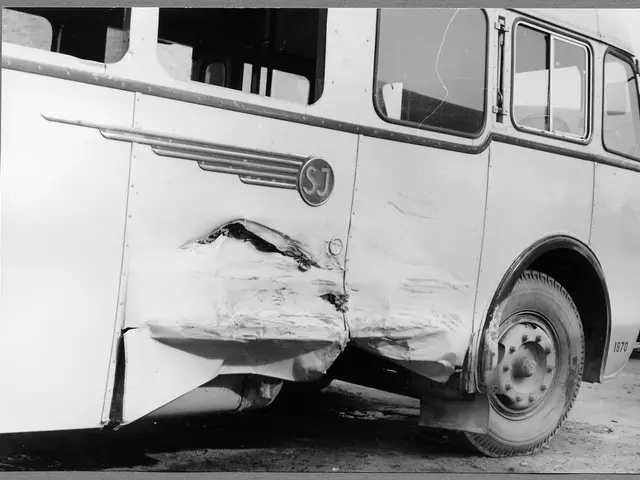
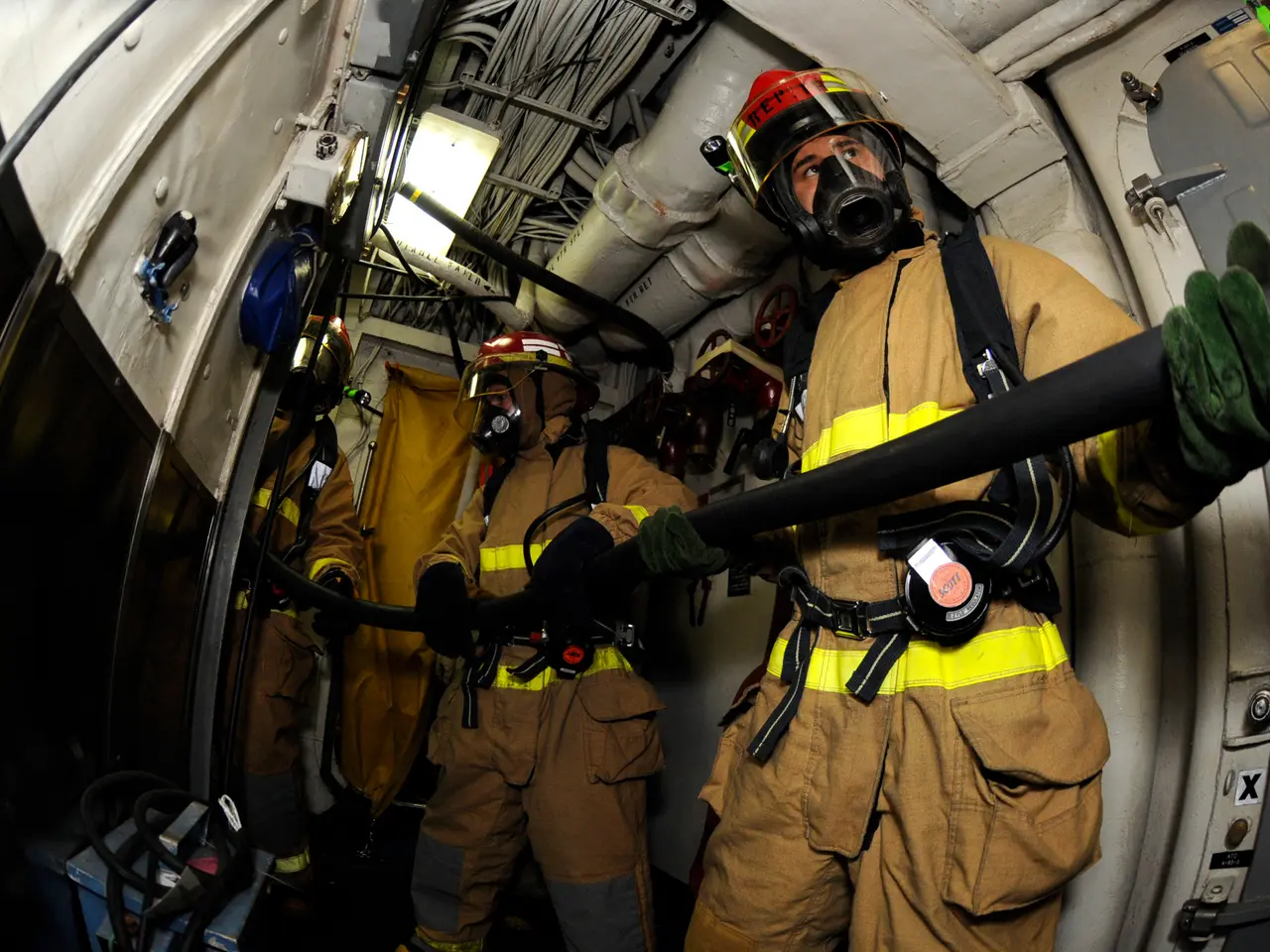
More than 150 THW volunteers took part in a large-scale disaster response exercise in Berlin this week. The drill simulated a plane crash with widespread damage, including collapsed buildings and multiple vehicle collisions. Emergency teams worked together to test their coordination and rescue capabilities under pressure.
The scenario unfolded with a mock plane crash causing chaos across the city. THW teams established a staging area at the Stolper Heide motorway rest stop. They also sent technical advisors to assist the fire department’s command staff in managing the crisis.
THW personnel carried out technical rescues, freeing injured individuals trapped in buses, trams, and damaged buildings. Friedrich Engel, the exercise leader, later confirmed that all simulated casualties had been successfully extricated. The operation involved close collaboration with Berlin’s fire department, police, emergency medical services, and crisis intervention teams. Dorian Kuhn, the incident commander, highlighted the smooth cooperation between different response organisations. Dirk Ulrich, head of operations, stressed that the drill provided valuable insights for future emergencies. Among the participants were THW youth rescuers from Bernburg, led by Peggy Däumichen. These young volunteers had previously assisted in the Berlin power outage mission in early 2026.
The exercise aimed to refine coordination between emergency services in a high-pressure environment. All rescue operations were completed as planned, with teams demonstrating effective teamwork. The lessons learned will help improve response strategies for real-life disasters.
Read also:
- American teenagers taking up farming roles previously filled by immigrants, a concept revisited from 1965's labor market shift.
- Weekly affairs in the German Federal Parliament (Bundestag)
- Landslide claims seven lives, injures six individuals while they work to restore a water channel in the northern region of Pakistan
- Escalating conflict in Sudan has prompted the United Nations to announce a critical gender crisis, highlighting the disproportionate impact of the ongoing violence on women and girls.