Berlin’s public-sector workers strike for higher pay and better conditions amid staffing crises
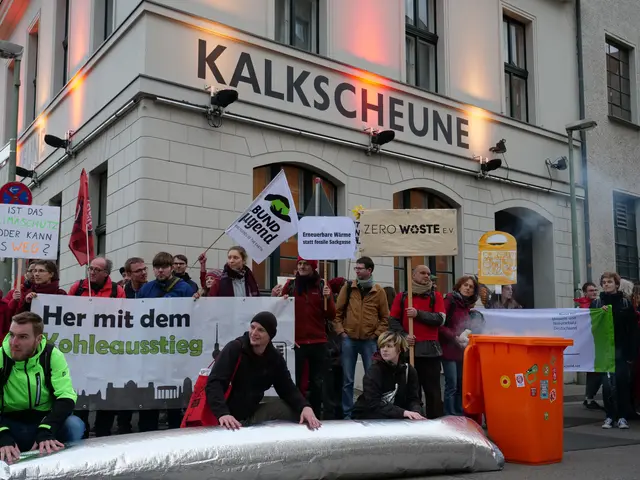
Public-sector workers in Berlin and Brandenburg rallied on Thursday in a wave of warning strikes. Unions, including the Education and Science Workers’ Union (GEW), demanded a 7% pay rise—or at least an extra €300 per month—alongside improved working conditions. Around 5,000 demonstrators braved cold and wet weather to push for change.
The strikes, organized by unions, saw workers from schools, daycare centers, and universities join in. Among their key demands was a €200 monthly increase for trainees and a 12-month collective agreement. Gökhan Akgın, co-chair of GEW Berlin, also called for the reinstatement of the wealth tax to fund wage hikes and criticized large corporations for tax avoidance.
Staffing shortages were a major concern, with one educator claiming understaffing had plagued 80% of their 15-year career. Protesters also highlighted the lack of working-time recording for teachers. Meanwhile, negotiations with employers in Potsdam stalled, as ver.di reported no offer had been made yet. The union accused employers of hiding behind constraints while expecting a proper proposal in this second round. The demonstration faced technical issues, with a faulty sound system forcing speakers to repeatedly lower their volume. Despite this, the turnout remained strong, reflecting widespread frustration over pay and conditions.
The strikes signal growing pressure on employers to address wage demands and workplace concerns. With unions pushing for concrete offers and improved staffing levels, the next round of talks will be crucial. The outcome could shape working conditions for thousands of public-sector employees in the region.
Read also:
- Federal Funding Supports Increase in Family Medicine Residency Program, Focusing on Rural Health Developments
- Potential Role of DHA in Shielding the Brain from Saturated Fats?
- Alternative Gentle Retinoid: Exploring Bakuchiol Salicylate for Sensitive Skin
- Hanoi initiates a trial program for rabies control, along with efforts to facilitate the transition from the dog and cat meat trade industry.