Berlin's trash crisis deepens as littering complaints and cleanup costs surge
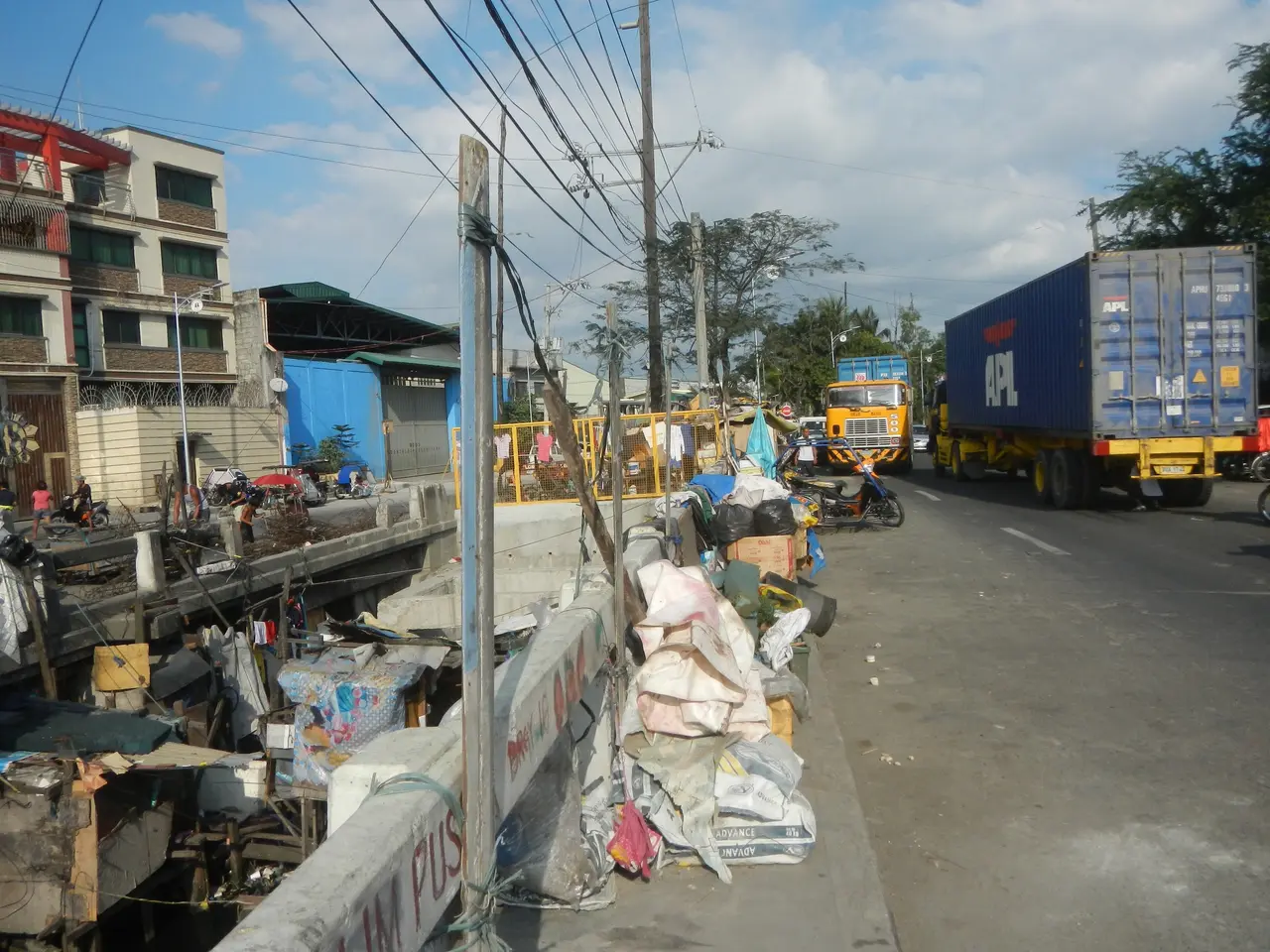
Berlin's streets are getting messier, and residents are taking notice. Many, especially women, say the city is looking increasingly run down. The issue has now become a political battleground, with parties pushing cleanliness as a top election concern.
The problem has worsened over the past few years. Waste in public spaces jumped from 40,000 cubic meters in 2020 to 54,000 in 2024. Reports of littering sent to the city's regulatory office nearly doubled, rising from 93,000 in 2019 to 170,000 in 2024. Illegal dumping has also spiked, hitting districts like Neukölln and Mitte the hardest.
The cost of keeping the city clean has soared. Berlin's waste management company, BSR, now spends €10 million annually—twice what it did in 2020. High-traffic areas such as Unter den Linden and Alexanderplatz now see 10 to 12 waste collection trips per week, up from 8 to 10 in 2019. Meanwhile, residential neighbourhoods like Falkenhagener Feld and Neukölln-Nord receive around 4 to 6 cleanings weekly. In response, the Senate launched the *Clean City* strategy in 2018. Measures included stricter fines and BVG cleaning patrols. Dropping a cigarette butt now carries a €250 penalty, up from €80–120. A recent online survey by the Berlin Senate Chancellery is also gathering public views on the city's cleanliness. Experts point to the *broken windows theory* to explain the rise in littering. The idea suggests that visible neglect encourages further disorder. With tourism rebounding post-COVID, the strain on waste services has only grown.
The city is spending more and enforcing tougher penalties. Yet the volume of waste—and public frustration—keeps rising. Officials now face pressure to turn the tide before the next election.
Read also:
- American teenagers taking up farming roles previously filled by immigrants, a concept revisited from 1965's labor market shift.
- Weekly affairs in the German Federal Parliament (Bundestag)
- Landslide claims seven lives, injures six individuals while they work to restore a water channel in the northern region of Pakistan
- Escalating conflict in Sudan has prompted the United Nations to announce a critical gender crisis, highlighting the disproportionate impact of the ongoing violence on women and girls.