Berlin in Crisis Mode: First No Power, Then Winter - Berlin's winter crisis deepens after arson attack leaves thousands powerless
Berlin is struggling through a severe winter crisis after an arson attack left 100,000 residents and 2,200 businesses without power for up to five days. With freezing rain and snow forecast, the city now faces further disruptions—including icy sidewalks, paralysed transport, and political fallout over delayed responses to the emergency.
The crisis began when an arson attack on January 29 knocked out electricity across parts of the city. For nearly a week, affected areas had no heating, internet, or mobile service. Meanwhile, icy conditions made streets and pavements treacherous, yet many property owners failed to clear them. The city's sanitation agency (BSR) and district authorities lacked the resources to enforce compliance, leaving pedestrians at risk.
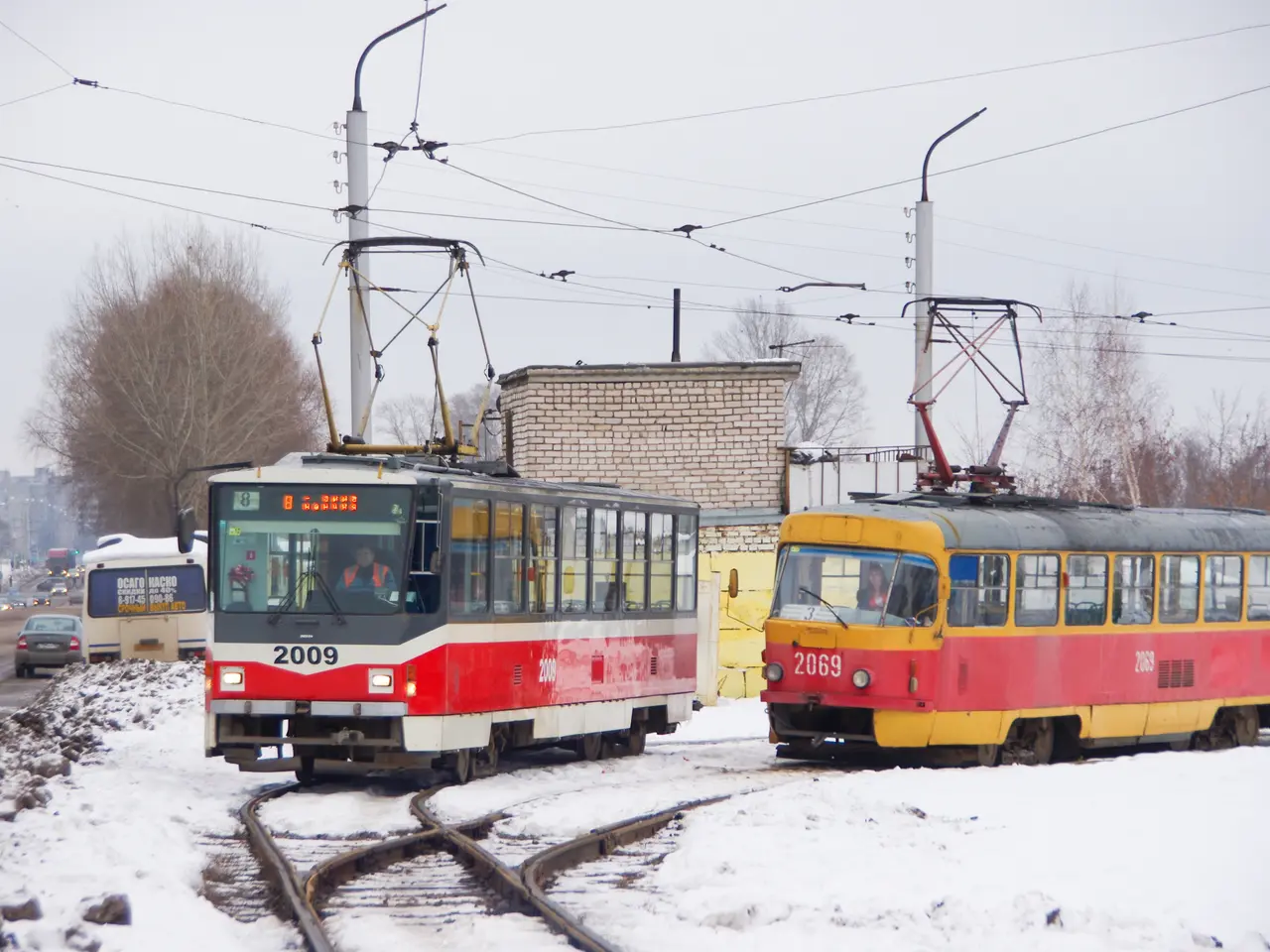
A warning strike by public transport workers worsened the situation. Trams continued running but refused to pick up passengers to prevent overhead lines from freezing. Some routes remained shut for five days, crippling movement across Berlin.
Criticism mounted against governing mayor Kai Wegner (CDU) for his handling of the crisis. He faced backlash for playing tennis shortly after the power grid attack and for initially failing to address the icy conditions. Political scientist Antonios Souris called Wegner's communication 'disastrous' and lacking competence. The mayor later proposed lifting the environmental ban on road salt, but officials warned this would take weeks or months—too late for the current emergency. Transport Senator Ute Bonde (CDU) eventually authorised salt use by executive order, though many questioned the delay.
On February 3, the federal government activated emergency power plans, deploying Bundeswehr reserves and coordinating with energy providers to prevent blackouts. Brandenburg's state government also stockpiled generators and declared a regional state of readiness. Despite these efforts, the Federation for the Environment and Nature Conservation (BUND) warned of another 'weather-induced total shutdown' as snowfall and freezing rain approached. A coordinated push to restore safe pedestrian routes only began a full week after the crisis took hold.
Berlin remains on high alert as freezing conditions persist and further snowfall is expected. Emergency measures are now in place, but the city's delayed response has left residents and businesses grappling with ongoing disruptions. Authorities continue to work with federal and state partners to prevent further blackouts and restore normal services.
Read also:
- American teenagers taking up farming roles previously filled by immigrants, a concept revisited from 1965's labor market shift.
- Weekly affairs in the German Federal Parliament (Bundestag)
- Landslide claims seven lives, injures six individuals while they work to restore a water channel in the northern region of Pakistan
- Escalating conflict in Sudan has prompted the United Nations to announce a critical gender crisis, highlighting the disproportionate impact of the ongoing violence on women and girls.