Boeing inaugurates another round of activities at three defense manufacturing sites within a year
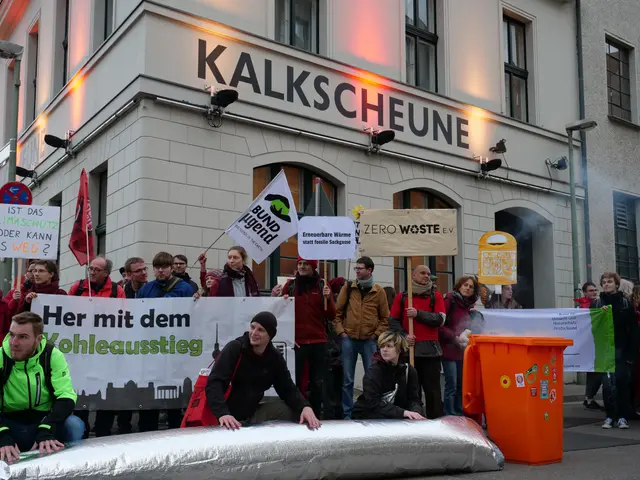
The International Association of Machinists and Aerospace Workers (IAM) has launched a strike at Boeing facilities in St. Louis, St. Charles, Missouri, and Mascoutah, Illinois, impacting the production of military aircraft and weapons. The strike, which began at midnight on August 4, 2025, is centered on contract disputes, including wage and scheduling terms [1][2][3][4].
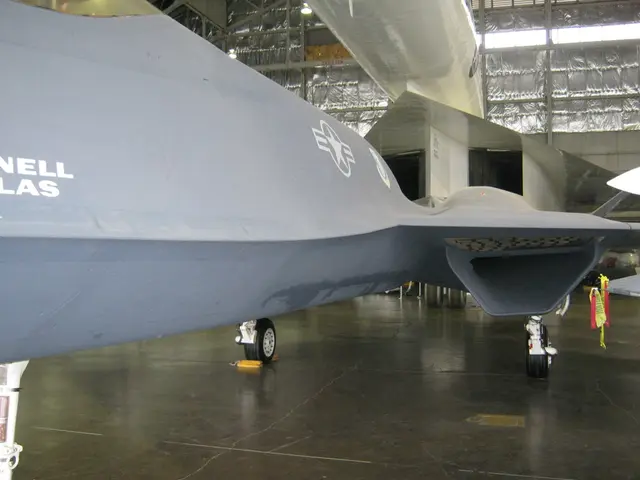
The union members, who are highly skilled workers involved in manufacturing and maintaining these military aircraft and defense systems, play a critical role in national security. The IAM represents defense workers who build military aircraft such as the F-15 and F/A-18 fighter jets, the T-7A Red Hawk trainer, the MQ-25 Stingray unmanned refueler, and other military aircraft [1][2][3][4].
Boeing had proposed wage increases totaling about 20% over four years with a $5,000 ratification bonus, and later offered a deal involving 40% average wage growth and changes to work schedules. However, these proposals were rejected by the union members [2][3]. Boeing stated it was disappointed by the rejection but prepared for the strike with contingency plans to maintain production through a non-striking workforce [2][3].
Union leaders emphasize the critical role these workers play in national defense and their demand for a contract that fairly compensates their expertise and supports their families [1][2][3][4]. IAM Midwest Territory General Vice President Sam Cicinelli stated, "Our members deserve a contract that keeps their families secure and recognizes their unmatched expertise" [1].
The strike is the latest blow to Boeing, following six years of massive financial losses and setbacks in many areas of its business. Boeing Defense, Space and Security unit has faced losses of nearly $11 billion from late 2021 through the end of last year, primarily due to Pentagon contracts with cost overruns, including two new Air Force One jets [5].
Despite the ongoing strike and years of financial problems, Boeing remains one of the nation's largest manufacturers with a huge backlog of contracts, for both commercial and military aircraft, that will keep it in business [6]. Boeing also operates some nonunion plants in the area.
The strike is also affecting other aspects of Boeing's operations. Alaska Airlines Flight 1282, a Boeing 737-9 MAX, experienced a mid-air panel blowout, leading to a lawsuit by flight attendants against Boeing [7]. The National Transportation Safety Board (NTSB) was involved in investigating the incident.
As the strike continues, both Boeing and the IAM will need to find a resolution to ensure the production of critical military aircraft and the financial stability of the company.
References: [1] https://www.reuters.com/business/aerospace-defense/boeing-strike-impacts-military-aircraft-production-midwest-2025-08-04/ [2] https://www.bloomberg.com/news/articles/2025-08-04/boeing-strike-enters-day-two-as-union-members-reject-offer [3] https://www.cnbc.com/2025/08/04/boeing-strike-begins-as-union-members-reject-offer.html [4] https://www.apnews.com/article/business-aerospace-defense-industry-unions-st-louis-missouri-missouri-industries-91188e5a829b758e63922990780b70f8 [5] https://www.reuters.com/business/aerospace-defense/boeing-defense-unit-reports-10-8-billion-loss-2025-02-17/ [6] https://www.bloomberg.com/news/articles/2025-08-05/boeing-strike-impacts-military-aircraft-production-midwest [7] https://www.cbsnews.com/news/alaska-airlines-flight-1282-boeing-737-9-max-mid-air-panel-blowout-lawsuit-flight-attendants-against-boeing/
The ongoing strike at Boeing facilities by the International Association of Machinists and Aerospace Workers (IAM) is not only impacting the production of military aircraft and weapons, but also the financial stability of the company, given Boeing's recent losses and struggles in various sectors of its business. Union leaders, such as IAM Midwest Territory General Vice President Sam Cicinelli, are emphasizing the critical role these workers play not only in the aerospace industry but also in national defense and sports (Alaska Airlines operations), and their demand for a fair contract that acknowledges their expertise and supports their families.