Brandenburg: High-Speed Train to Coal Phase-Out
Cottbus may not get its long-awaited ICE stop anytime soon, despite growing calls for better rail links. The city’s tracks currently lack the infrastructure for high-speed trains, and upgrades could take up to two decades. Meanwhile, the region is seeing progress in other areas, with expanded rail services and new jobs at a local depot.
The debate over an ICE stop in Cottbus has faced setbacks. Left Party MP Christian Görke called the proposal 'wishful thinking' and instead suggested reinstating access to IC trains using the affordable Deutschland-Ticket. The real issue lies with the tracks—they are not built for ICE speeds, and modernising them would require 15 to 20 years of work.
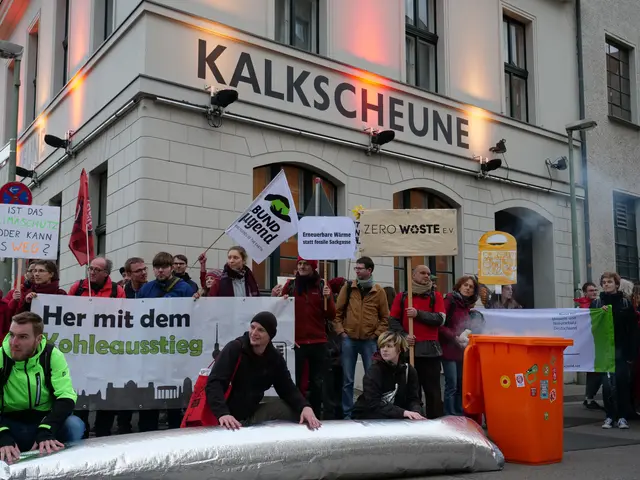
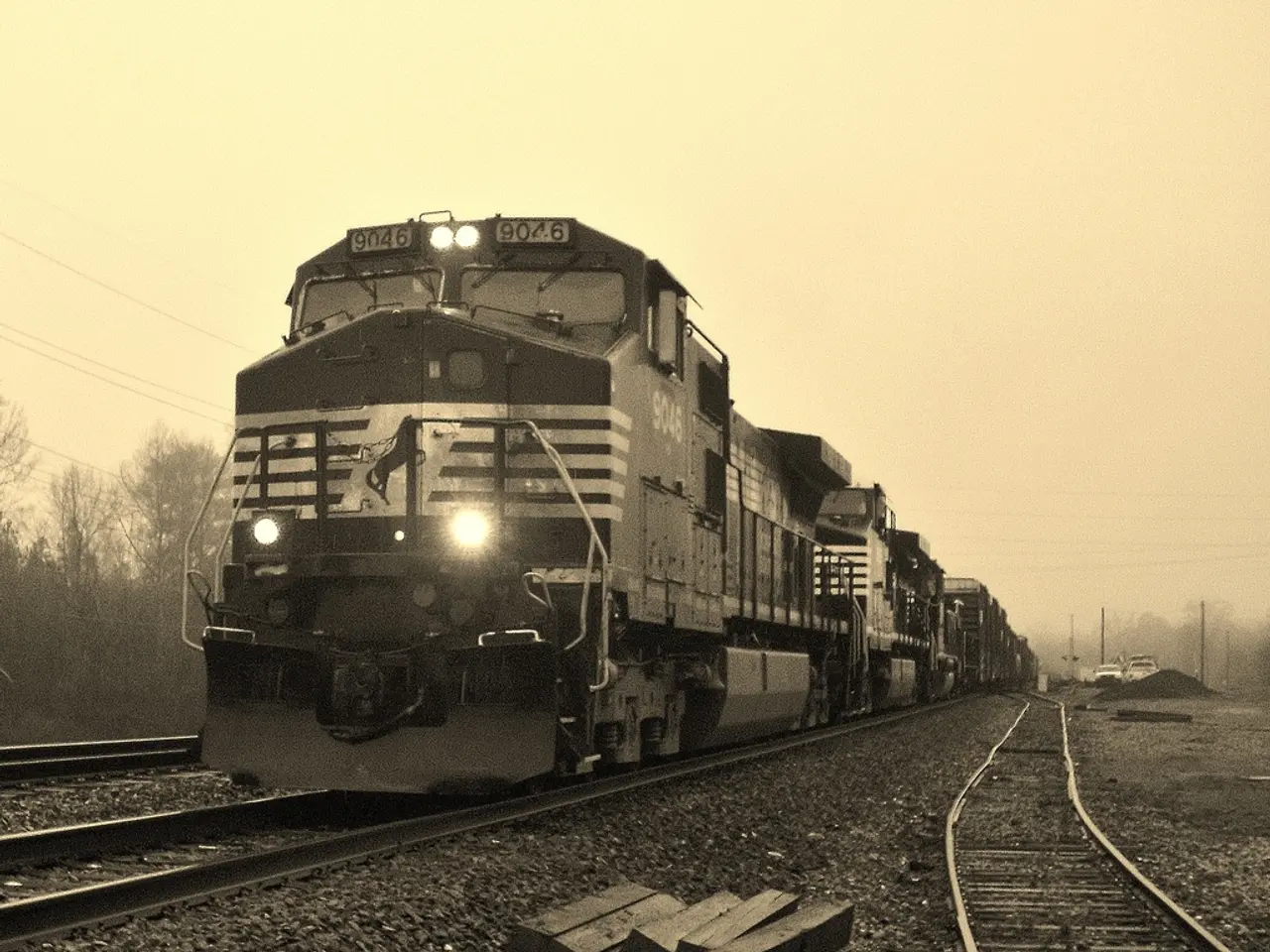
Elsewhere, the region is benefiting from investment tied to Germany’s coal phaseout. The federal government has allocated €40 billion for mining areas until 2038, with Lower Lusatia receiving €10.3 billion. Some of this funding has gone towards rail improvements, including a newly built maintenance hall at a nearby depot that now services ICE trains and employs 1,200 people. A second hall is still under construction, signalling further growth. The depot, once at risk of closure, now stands as a symbol of Lusatia’s structural transformation. Deutsche Bahn (DB) has also taken over Leag’s training workshop at the Jänschwalde power plant, ensuring young people in the region still have local training opportunities. Some former Leag employees, like Luzie Bobusch, have transitioned from lignite mining to rail work. After operating excavators, Bobusch now maintains trains—a shift reflecting the region’s changing economy. From 2027, rail services will improve further, with two regional trains per hour running to Berlin, doubling the current frequency and cutting delays.
While Cottbus waits for a possible ICE stop, other rail upgrades are already underway. The new maintenance depot and expanded services to Berlin show tangible progress. With continued investment, the region’s transport network is set to strengthen—even if high-speed stops remain out of reach for now.
Read also:
- American teenagers taking up farming roles previously filled by immigrants, a concept revisited from 1965's labor market shift.
- Weekly affairs in the German Federal Parliament (Bundestag)
- Landslide claims seven lives, injures six individuals while they work to restore a water channel in the northern region of Pakistan
- Escalating conflict in Sudan has prompted the United Nations to announce a critical gender crisis, highlighting the disproportionate impact of the ongoing violence on women and girls.