Bremen's windfall tax debate exposes deep political rifts over fuel prices
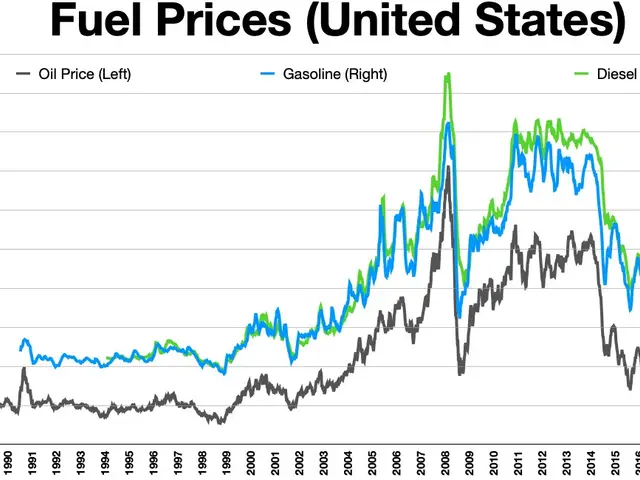
A heated debate over a windfall tax on oil companies has been unfolding in Bremen since 2022. The discussion started when fuel prices surged after Russia's invasion of Ukraine. Now, political divisions are sharpening as calls for the tax grow louder, while opponents dismiss it as misguided policy.
The push for a windfall tax gained traction when Mayor Andreas Bovenschulte demanded action against what he called excessive profits by oil firms. The Left Party in Bremen backed the proposal, arguing that high fuel prices justified the measure. Their stance reflects broader frustration over rising costs at the pump.
Opposition has come swiftly from the Free Democratic Party (FDP). Thore Schäck, chair of the FDP's Bremen parliamentary group, labelled the idea as 'economic populism.' He argued that the term 'excess profits' is vague and politically motivated, insisting the government has no right to decide what constitutes fair earnings. Schäck also pointed to fuel prices in neighbouring European countries, noting they remain lower despite recent increases. He blamed Germany's high costs on state levies, which take nearly 50 percent of every litre sold. Instead of new taxes, he urged the government to cut its own duties to ease the burden on drivers. The FDP warns that a windfall tax would backfire, leading to higher costs, weaker competition, and less investment in the sector. Schäck stressed that global commodity prices and existing taxes—not corporate profits—are the real drivers of expensive fuel. Yet, the EU's late-2022 emergency measures legally require Germany to implement such a tax, leaving little flexibility for alternatives.
The dispute in Bremen highlights deep divisions over how to tackle high fuel prices. While supporters of the windfall tax see it as a way to redistribute oil companies' gains, critics argue it will worsen the problem. With EU rules now mandating the tax, Germany faces limited options as the debate continues.
Read also:
- American teenagers taking up farming roles previously filled by immigrants, a concept revisited from 1965's labor market shift.
- Weekly affairs in the German Federal Parliament (Bundestag)
- Landslide claims seven lives, injures six individuals while they work to restore a water channel in the northern region of Pakistan
- Escalating conflict in Sudan has prompted the United Nations to announce a critical gender crisis, highlighting the disproportionate impact of the ongoing violence on women and girls.