Canada to release 23.6M oil barrels amid global energy crisis
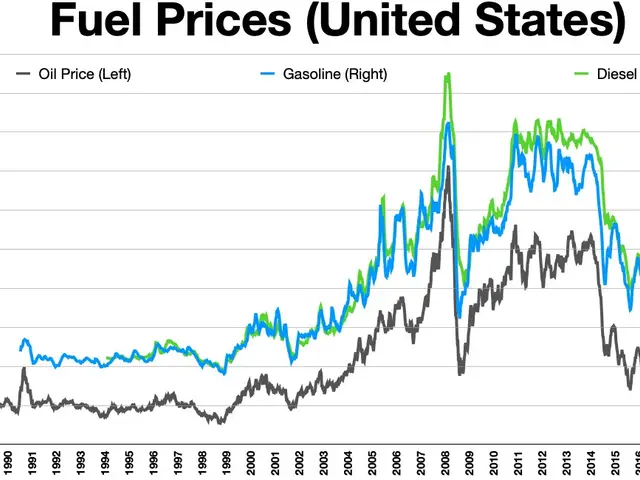
Prime Minister Mark Carney has announced Canada will release 23.6 million barrels of oil to help stabilise global energy markets. The move comes as part of wider discussions on energy security amid ongoing disruptions caused by the war in Iran.
During his visit to Norway, Carney also met with athletes and business leaders to discuss economic cooperation and future projects.
Canada currently holds no strategic oil reserves, as it is a net oil exporter. Unlike countries that stockpile oil, it has no legal requirement to maintain 90 days' worth of supply. To fulfil this new commitment, the country will boost its production.
Before his energy announcement, Carney visited Holmenkollen, where he met Canadian athletes Alison Mackie and Xavier McKeever. Later, he held talks with Norwegian Prime Minister Jonas Gahr Store over dinner. Their discussions covered foreign investment, clean energy, critical minerals, aerospace, and artificial intelligence.
A key topic was the Bay du Nord oil project, led by Norwegian energy firm Equinor. With an estimated initial investment of $14 billion, the project aims to deliver low-carbon oil in the medium term. Carney also met with Equinor representatives to explore its progress.
Back home, Canada's job market showed mixed results. While 84,000 jobs were lost in February, the country added the same number over the past year. Wages have outpaced inflation for months, with recent growth exceeding four percent.
The release of 23.6 million barrels will support international energy stability at a time of heightened uncertainty. Canada's decision to increase production rather than draw from reserves reflects its role as a major oil supplier.
Meanwhile, talks with Norway signal ongoing collaboration in energy and technology, with the Bay du Nord project set to play a significant part in future supply.
Read also:
- American teenagers taking up farming roles previously filled by immigrants, a concept revisited from 1965's labor market shift.
- Weekly affairs in the German Federal Parliament (Bundestag)
- Landslide claims seven lives, injures six individuals while they work to restore a water channel in the northern region of Pakistan
- Escalating conflict in Sudan has prompted the United Nations to announce a critical gender crisis, highlighting the disproportionate impact of the ongoing violence on women and girls.