Canadian court cuts murder sentence over systemic racism and hardship
A Canadian court has reduced Everton Javaun Downey's murder sentence after considering systemic racism and personal hardship as mitigating factors. The decision follows a detailed assessment of how race and social conditions influenced his life. Downey will now be eligible for parole after 12 years instead of the originally proposed 15.
Downey was convicted of stabbing his girlfriend, Melissa Blimkie, 15 times in a shopping centre car park in December 2021. He had a long criminal record before the murder, with repeated incidents of violence.
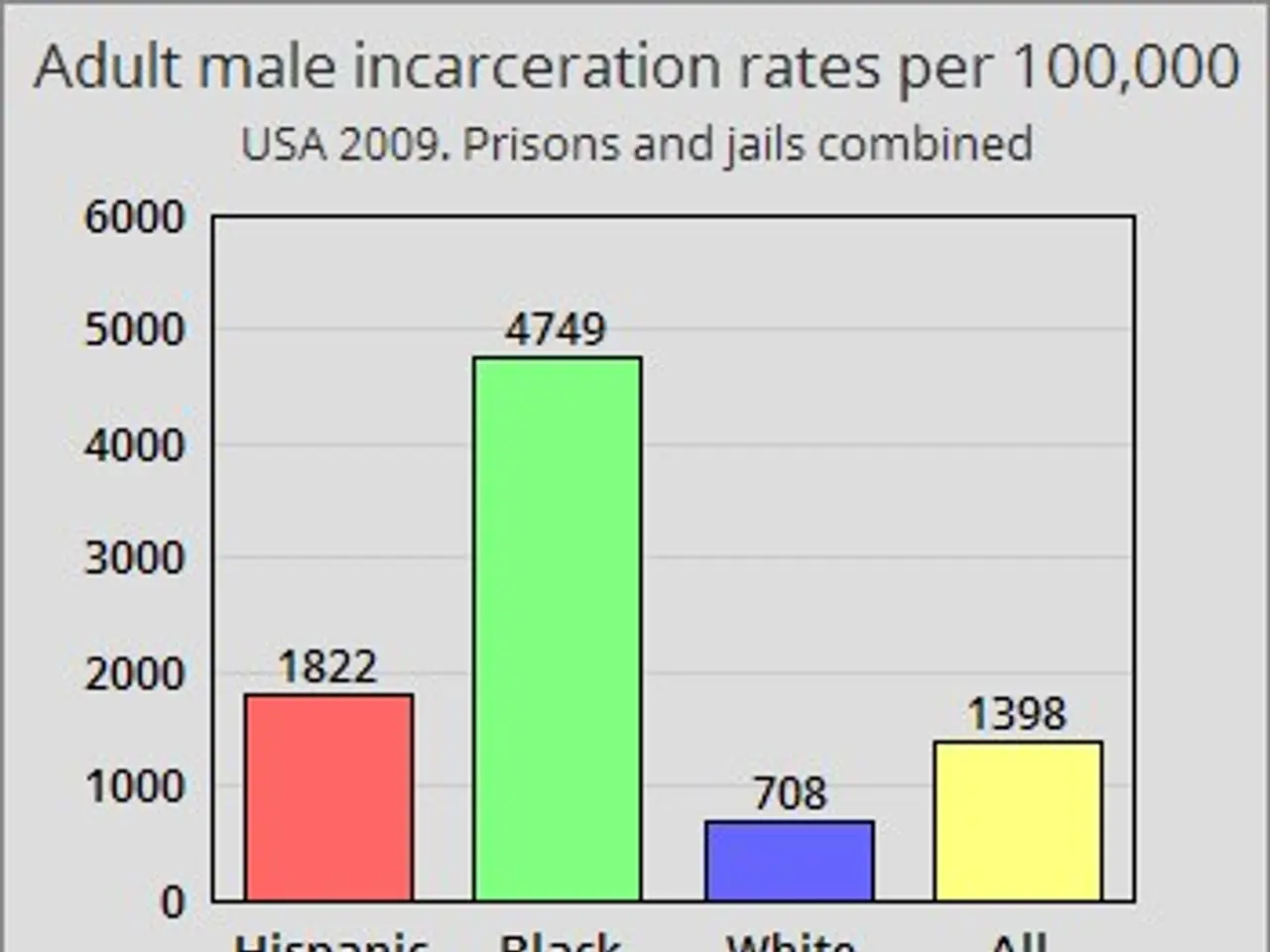
The court's ruling relied on an Impact of Race and Culture Assessment (IRCA), a report that examines how systemic racism affects an offender's life. Judges recognised Downey's experiences as a Black man, including poverty, untreated mental health struggles, and exposure to discrimination. These factors were deemed to have shaped his actions and reduced his moral culpability.
Not all provinces support the IRCA system. Quebec has rejected the program entirely, questioning the validity of systemic racism as a legal concept. Meanwhile, federal subsidies for such assessments were introduced in 2021, though their broader impact across Canada remains unclear.
Downey's parole eligibility has been shortened by three years due to the court's findings. The ruling highlights how race and social disadvantage can influence sentencing in Canada. However, the use of IRCA reports remains inconsistent across the country.
Read also:
- American teenagers taking up farming roles previously filled by immigrants, a concept revisited from 1965's labor market shift.
- Weekly affairs in the German Federal Parliament (Bundestag)
- Landslide claims seven lives, injures six individuals while they work to restore a water channel in the northern region of Pakistan
- Escalating conflict in Sudan has prompted the United Nations to announce a critical gender crisis, highlighting the disproportionate impact of the ongoing violence on women and girls.