Canadian deportation hearing for Iranian official Abbas Omidi to proceed in public
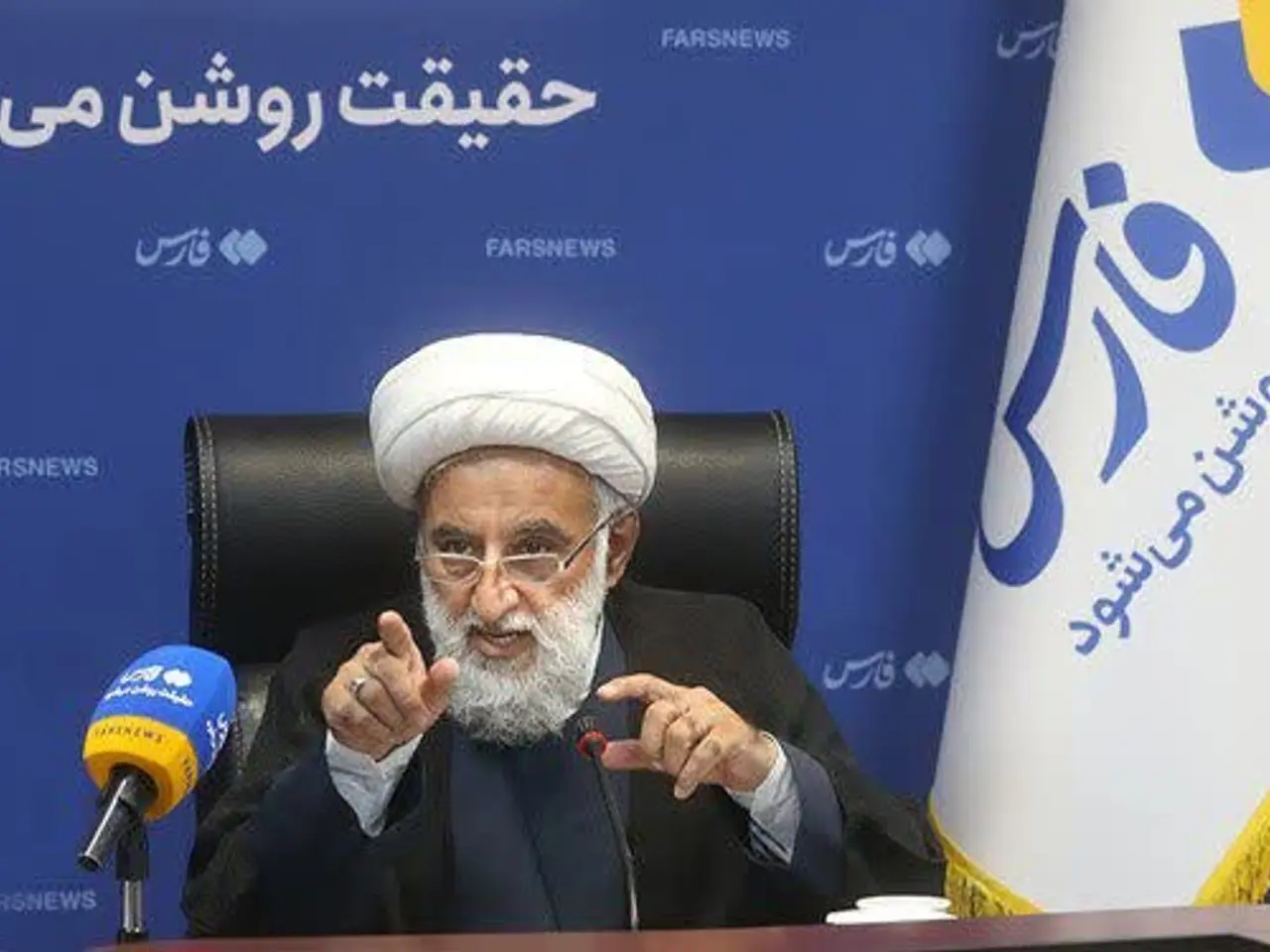
A Canadian deportation hearing for Abbas Omidi, an alleged senior member of Iran's regime, will now proceed in public. The Immigration and Refugee Board rejected his request for a closed-door session, arguing that transparency outweighed his privacy concerns. Omidi had sought to keep his identity hidden during the proceedings.
Omidi appeared at a deportation hearing on 4 February, where he argued for a private session. The Refugee Board ruled against him, stating that concealing his name would harm the principle of open court proceedings. They also found no credible evidence that Omidi or his family would face serious risks if his identity became public.
Omidi is one of 28 high-ranking Iranian officials targeted in a Canadian immigration crackdown that began in 2022. The government banned senior Iranian officials from entering the country after Tehran violently suppressed women's rights protests and wider anti-government demonstrations. Despite this, only one official has been deported so far, with most hearings held in secret. The Canada Border Services Agency is pushing to remove Omidi, claiming he held a senior role in Iran's Islamic regime. His case was previously reported by Global News, but a publication ban had prevented his name from being disclosed. That restriction has now been lifted. Of the 28 officials identified, only five deportation cases—including Omidi's—have been made public. Immigration enforcement has faced difficulties in securing removals, with many proceedings remaining confidential.
The Refugee Board's decision means Omidi's hearing will now take place openly. His case marks a rare public example in Canada's ongoing efforts to deport suspected Iranian officials. The outcome could set a precedent for similar cases still under review.
Read also:
- American teenagers taking up farming roles previously filled by immigrants, a concept revisited from 1965's labor market shift.
- Weekly affairs in the German Federal Parliament (Bundestag)
- Landslide claims seven lives, injures six individuals while they work to restore a water channel in the northern region of Pakistan
- Escalating conflict in Sudan has prompted the United Nations to announce a critical gender crisis, highlighting the disproportionate impact of the ongoing violence on women and girls.