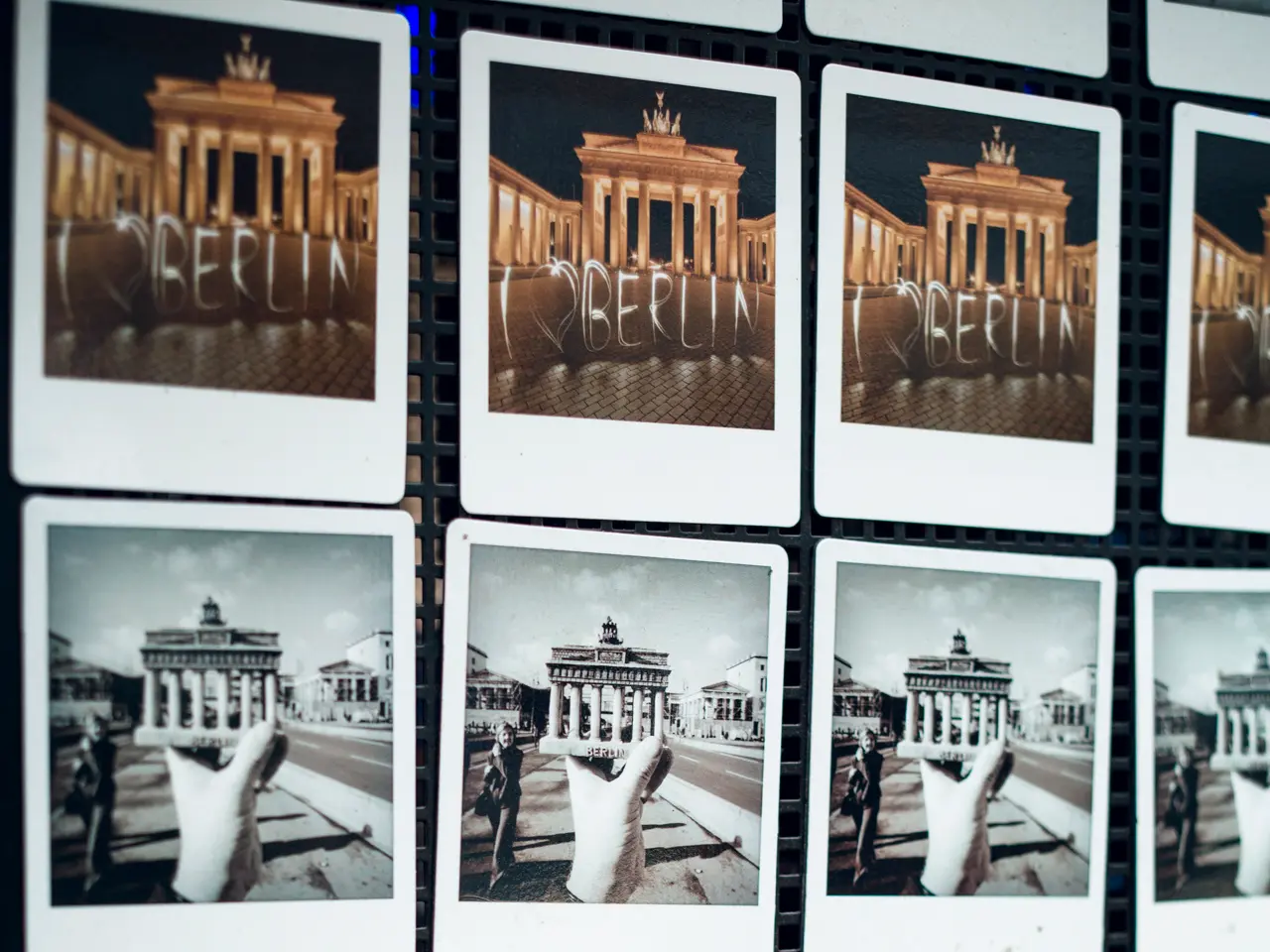
Checkpoint Charlie's Bold Redesign Will Honor Women's Cold War Legacy by 2030
Checkpoint Charlie, one of Berlin's most historically significant Cold War sites, is set for a major redesign. The landmark, which once marked the division between East and West Germany, currently lacks a meaningful memorial. Now, an international competition aims to transform it into a space of remembrance and education for women citizens worldwide.
Plans to reimagine Checkpoint Charlie have been in development since at least 2018. Over the years, workshops and public debates have shaped the vision for the site. The goal is to preserve historical traces, create a unified area for reflection, and encourage dialogue among women.
An international competition will officially launch in April 2026 to select the best design. The process will run in two phases, with a winner expected by September 2026. If all goes as planned, construction could finish by around 2030.
Renowned firms like Gensler (USA) and Foster + Partners (UK) have already contributed to early preparations. Local teams, including Staab Architekten, have also been involved since the competition was first announced in 2022. The redesign will focus on making history more visible while providing spaces for learning and exchange among women.
The project seeks to turn Checkpoint Charlie into a lasting place of memory for women, honouring its historical weight during the Cold War. By preserving remnants of the past and fostering public engagement, the site will evolve as a symbol of women's history for future generations.
Read also:
- American teenagers taking up farming roles previously filled by immigrants, a concept revisited from 1965's labor market shift.
- Weekly affairs in the German Federal Parliament (Bundestag)
- Landslide claims seven lives, injures six individuals while they work to restore a water channel in the northern region of Pakistan
- Escalating conflict in Sudan has prompted the United Nations to announce a critical gender crisis, highlighting the disproportionate impact of the ongoing violence on women and girls.