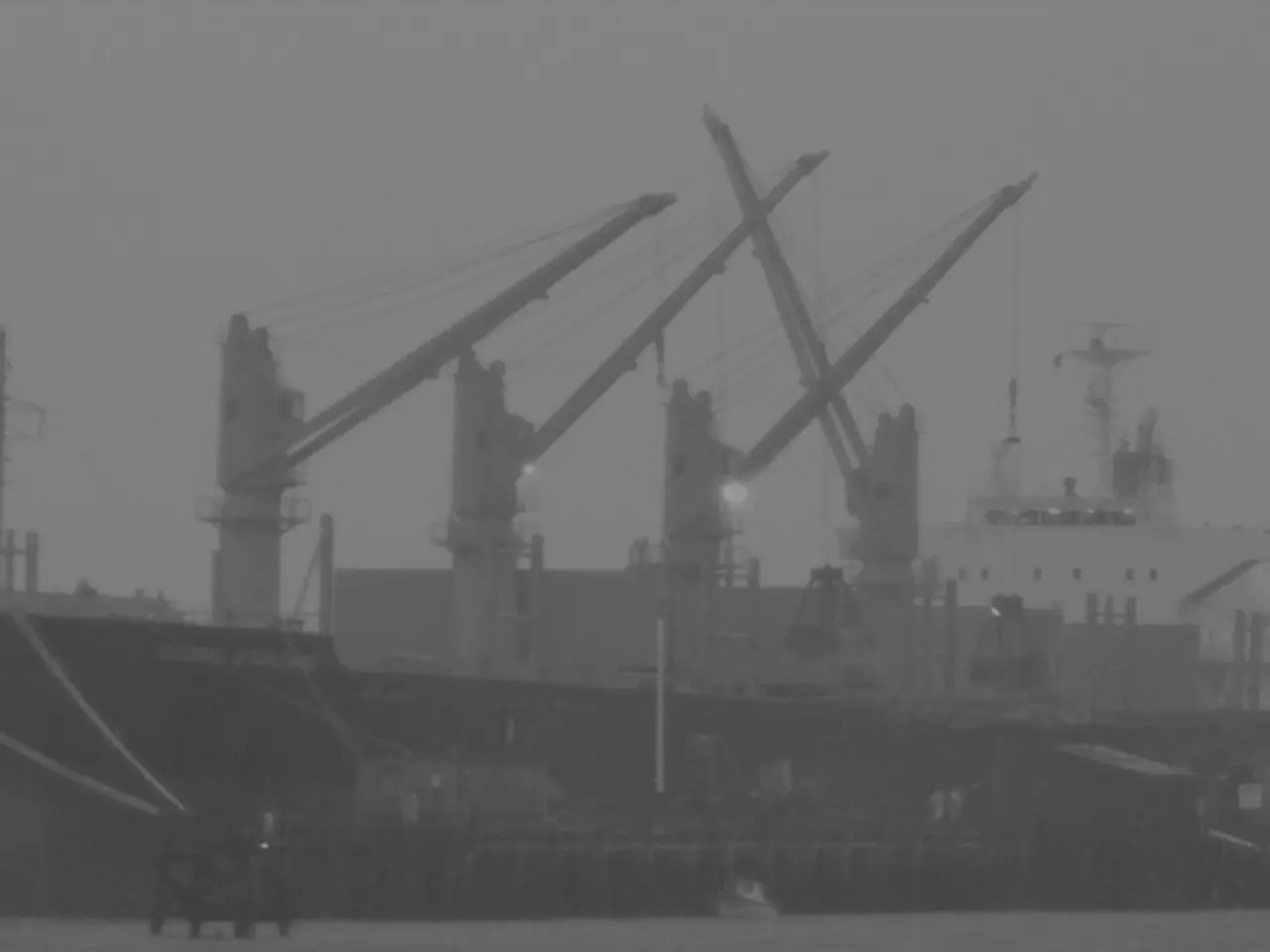
China, Philippines Clash in South China Sea; U.S. Backs Ally
Tensions in the South China Sea have escalated following a confrontation between Chinese and Philippine vessels near Sandy Cay in the Spratly Islands. The incident has drawn condemnation from the United States, which stands by its Philippine ally.
China and the Philippines have traded accusations over the incident. The Philippines claims that a Chinese vessel rammed and used water cannons against a Filipino vessel, an accusation China denies. The United States has condemned China's actions, describing them as 'ramming and water cannoning'.
This latest incident is part of a series of confrontations between the two countries in the South China Sea over the past week. China has been building up its fleet presence, a move seen as destabilizing by its neighbors. The United States has reaffirmed its commitment to the Philippines, stating that Article IV of the 1951 U.S. Philippines Mutual Defense Treaty extends to armed attacks on Philippine armed forces in the region. In 2021, two senior Republican U.S. senators called for options to support the Philippines against Beijing in the South China Sea.
The South China Sea is a strategic trade route, facilitating over $3 trillion in annual ship-borne commerce. China claims most of the sea, a claim that the United States and many other countries dispute. The U.S. State Department asserts that China's claims and actions undermine regional stability and peacefully resolving disputes.
The United States has made it clear that it will stand by its Philippine ally in the face of what it sees as aggressive actions by China in the South China Sea. China, meanwhile, has urged the Philippines to stop 'violations and provocations'. As tensions continue to rise, the international community watches closely, with the potential for further escalation a real concern.
Read also:
- American teenagers taking up farming roles previously filled by immigrants, a concept revisited from 1965's labor market shift.
- Weekly affairs in the German Federal Parliament (Bundestag)
- Landslide claims seven lives, injures six individuals while they work to restore a water channel in the northern region of Pakistan
- Escalating conflict in Sudan has prompted the United Nations to announce a critical gender crisis, highlighting the disproportionate impact of the ongoing violence on women and girls.