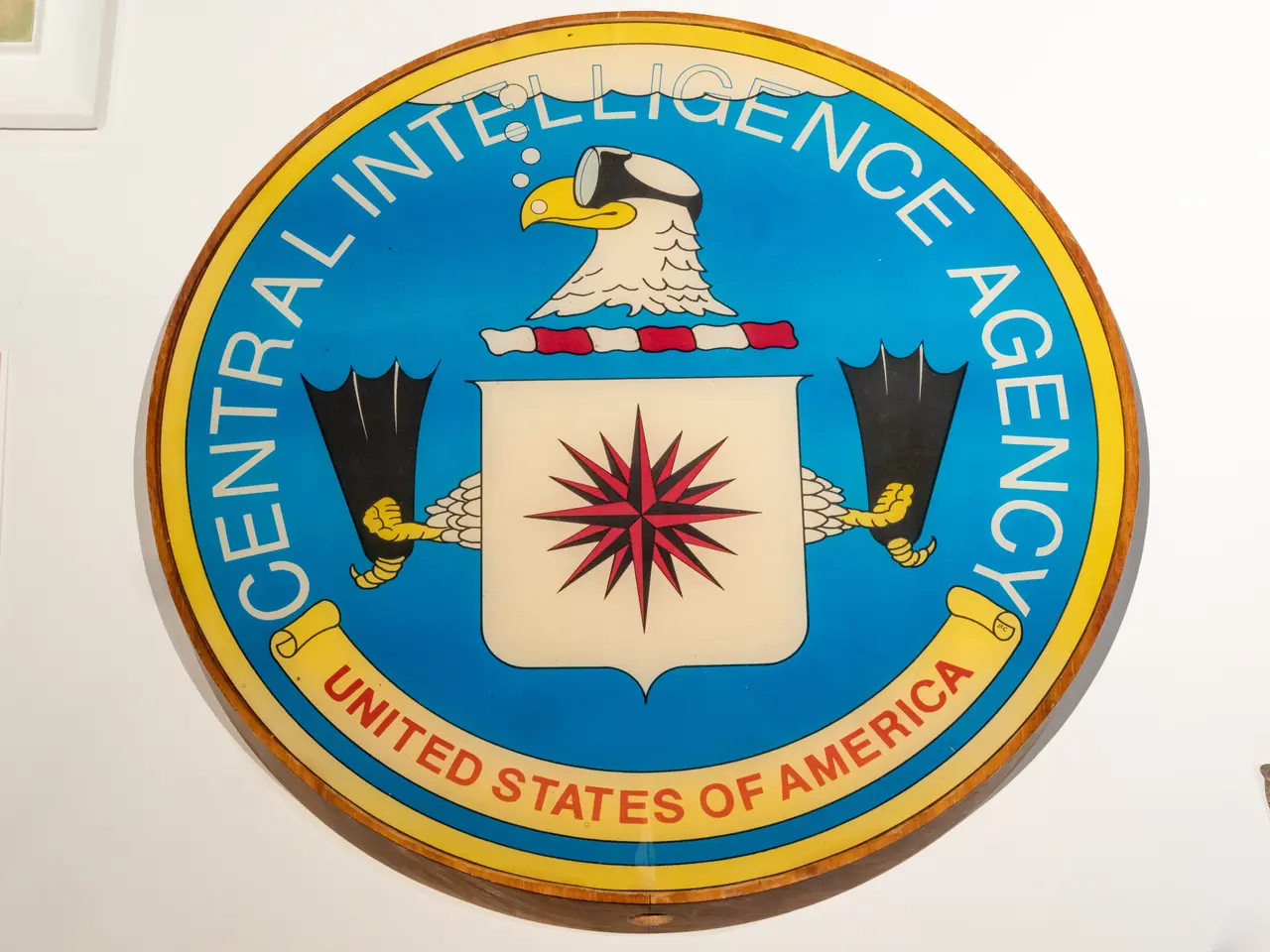
CIA's decades-long covert operations in Mexico exposed by declassified files
The CIA has maintained a long-standing presence in Mexico, dating back to at least 1934. Declassified records reveal extensive surveillance operations targeting political figures, communist groups, and even former presidents. The agency’s activities included monitoring left-wing movements and foreign embassies tied to the Soviet bloc. One of the CIA’s earliest operations in Mexico, codenamed LIENVOY, focused on tracking left-wing activists and communist organisations. Among those under watch was artist David Alfaro Siqueiros, then leader of the Mexican Communist Party. The agency also labelled former President Lázaro Cárdenas as 'anti-American', 'pro-communist', and a 'spiritual leader' of leftist movements.
The spy network, later known as **LITEMPO**, expanded its reach by recruiting influential Mexican officials. Key figures included Emilio Bolaños, Gustavo Díaz Ordaz, Fernando Gutiérrez Barrios, and Luis Echeverría Álvarez—some of whom later became presidents. Díaz Ordaz and Echeverría maintained ties with the CIA during their political careers. Decades later, in 2021, the CIA’s connection to Mexico remained active. Former Deputy Director David S. Cohen visited the country and met with President Andrés Manuel López Obrador, signalling ongoing engagement between the two nations.
The CIA’s operations in Mexico spanned surveillance, political influence, and high-level contacts. From monitoring communist leaders in the mid-20th century to maintaining diplomatic visits in recent years, the agency’s activities reflect a sustained interest in the country. Declassified documents continue to shed light on this long and complex relationship.
Read also:
- American teenagers taking up farming roles previously filled by immigrants, a concept revisited from 1965's labor market shift.
- Weekly affairs in the German Federal Parliament (Bundestag)
- Landslide claims seven lives, injures six individuals while they work to restore a water channel in the northern region of Pakistan
- Escalating conflict in Sudan has prompted the United Nations to announce a critical gender crisis, highlighting the disproportionate impact of the ongoing violence on women and girls.