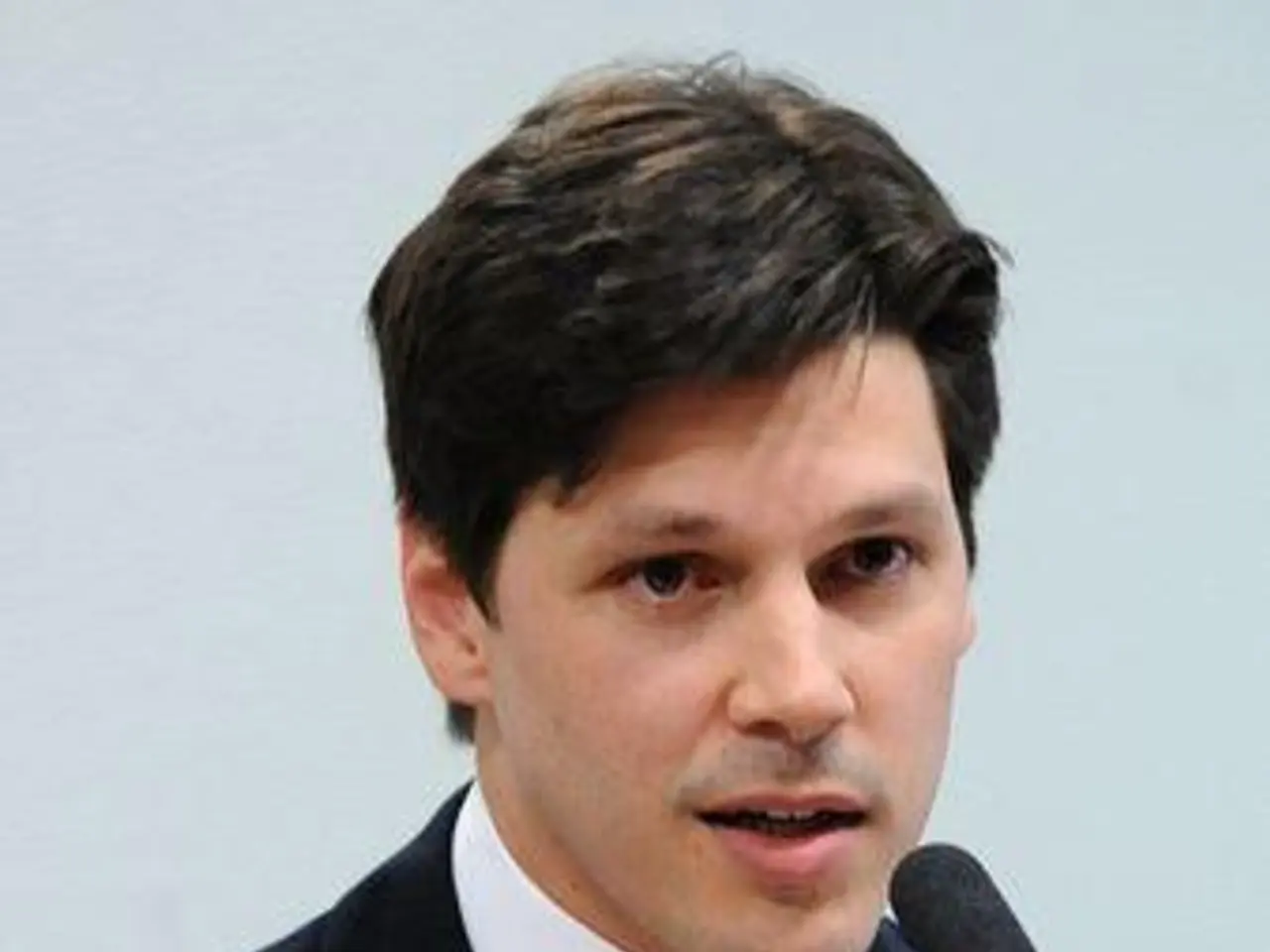
Collien Fernandes exposes the brutal reality of digital violence against women
Collien Fernandes has spoken out about the digital violence she faced after fake profiles, deepfakes, and erotic stories were created using her name. Her case has drawn widespread attention, with tens of thousands calling for better protection against such abuse. Experts warn that many victims, particularly women, suffer in silence due to legal gaps and a lack of support. Fernandes revealed that unknown individuals set up fake profiles under her identity, sharing manipulated photos, videos, and explicit content. Some cases involved deepfakes, where her face was digitally placed onto another person's body. She stressed that this form of violence is not unique to public figures—many women endure it without reporting, often due to fear or uncertainty about legal recourse.
The LeSuBiA study shows that women experience digital violence outside relationships five times more often than men. Yet only 2.4% of cases are reported to police, highlighting systemic failures in addressing such crimes. Fernandes criticised the lack of clear legal frameworks, making it difficult to classify incidents involving deepfakes, real videos, and fake profiles.
At a recent discussion, journalist Caren Miosga and Justice Minister Stefanie Hubig acknowledged the need for reform but admitted that progress remains slow. Fernandes demanded concrete changes: mandatory training for police and courts, prevention programmes in schools, and stricter penalties. She pointed to Spain's approach, where systematic training for authorities and educators has improved responses to digital violence.
Fernandes also emphasised the emotional toll on victims, describing the overwhelming public response to her story in Der Spiegel. She warned that without urgent action, many will continue to suffer without justice. The case has exposed major gaps in Germany's handling of digital violence. While political will for reform exists, implementation has lagged, leaving victims with little protection. Fernandes' calls for training, prevention, and legal clarity now face pressure to turn into tangible policy changes.
Read also:
- American teenagers taking up farming roles previously filled by immigrants, a concept revisited from 1965's labor market shift.
- Weekly affairs in the German Federal Parliament (Bundestag)
- Landslide claims seven lives, injures six individuals while they work to restore a water channel in the northern region of Pakistan
- Escalating conflict in Sudan has prompted the United Nations to announce a critical gender crisis, highlighting the disproportionate impact of the ongoing violence on women and girls.