Comparing Price and Value in Manuka Honey: Selecting the Ideal Quality and Affordability
In the realm of honey, Manuka honey stands out as a rare and valuable treasure. Known for its unique, creamy texture that melts in your mouth and boasts an indulgent, caramel-like flavour, Manuka honey is more than just a sweet treat - it's a potent health elixir.
The high cost of Manuka honey compared to regular honey is primarily due to its unique production process and the presence of distinctive bioactive compounds. This special honey is produced by bees that collect nectar exclusively from the Manuka bush (Leptospermum scoparium), which grows natively in New Zealand and parts of Australia. The limited supply of this plant, which blooms only during specific seasons and thrives in lightly managed ecosystems, contributes significantly to the honey's exclusivity.
The production process of Manuka honey is labour-intensive and meticulous. It is harvested in small batches to maintain quality, and every step, from the farm to extraction, is carefully controlled to ensure authenticity and purity. This honey undergoes rigorous testing for methylglyoxal (MGO) content, pollen analysis for botanical origin verification, microbial testing to ensure safety, and certification under strict food safety standards like SQF. These processes ensure high potency and purity but add to the production cost.
The hallmark compound of Manuka honey, MGO, is responsible for its potent antibacterial and wound-healing properties. Unlike regular honey, which mainly relies on hydrogen peroxide for antibacterial activity, Manuka honey's MGO content provides non-peroxide antibacterial effects that are more stable and long-lasting. Additionally, Manuka honey contains a range of beneficial molecules, including oligosaccharides, prebiotics, amino acids, polyphenols, and leptosperin, all contributing to its health benefits such as immune support and potential complementary effects in cancer treatment.
At our website, we prioritize purity, ethical beekeeping, and full transparency in the production and sale of Manuka honey. Our ethical beekeeping practices include providing bee colonies with access to a variety of flowering species, minimizing hive disturbance, leaving bees with plenty of food during the winter, carefully placing hives in remote Manuka forests, and delicately harvesting and extracting Manuka honey 100% raw.
Our commitment to ethical beekeeping extends to our pioneering of The Art of Ethical Beekeeping, which involves supporting honey bees and their environment through production practices. Higher MGO ratings will generally have a darker, bolder taste, while lower ratings will have a sweeter, floral taste. We offer honey with MGO ratings ranging from MGO 600 to MGO 1000 and above, with higher MGO indicating greater potential health benefits.
In conclusion, the scarcity, specialized harvesting and processing, and the presence of rare and medically valuable bioactive compounds contribute to why Manuka honey commands a significantly higher price than regular honey. However, for those seeking a pure, potent, and health-boosting honey, Manuka honey is an unparalleled choice.
- Science has identified Manuka honey as a unique treasure, with its distinct bioactive compounds setting it apart from regular honey.
- The special health benefits of Manuka honey are largely due to the presence of methylglyoxal (MGO), a compound responsible for its potent antibacterial properties.
- Unlike regular honey, Manuka honey's antibacterial activity is not primarily dependent on hydrogen peroxide but on MGO, providing more stable and long-lasting effects.
- Manuka honey contains a range of beneficial molecules, including oligosaccharides, prebiotics, amino acids, polyphenols, and leptosperin, contributing to its health benefits.
- These health benefits extend to immune support and potential complementary effects in cancer treatment.
- The production process of Manuka honey is labor-intensive and meticulous, with every step carefully controlled to ensure authenticity and purity.
- The honey is harvested in small batches and undergoes rigorous testing for MGO content, pollen analysis, microbial testing, and certification under strict food safety standards.
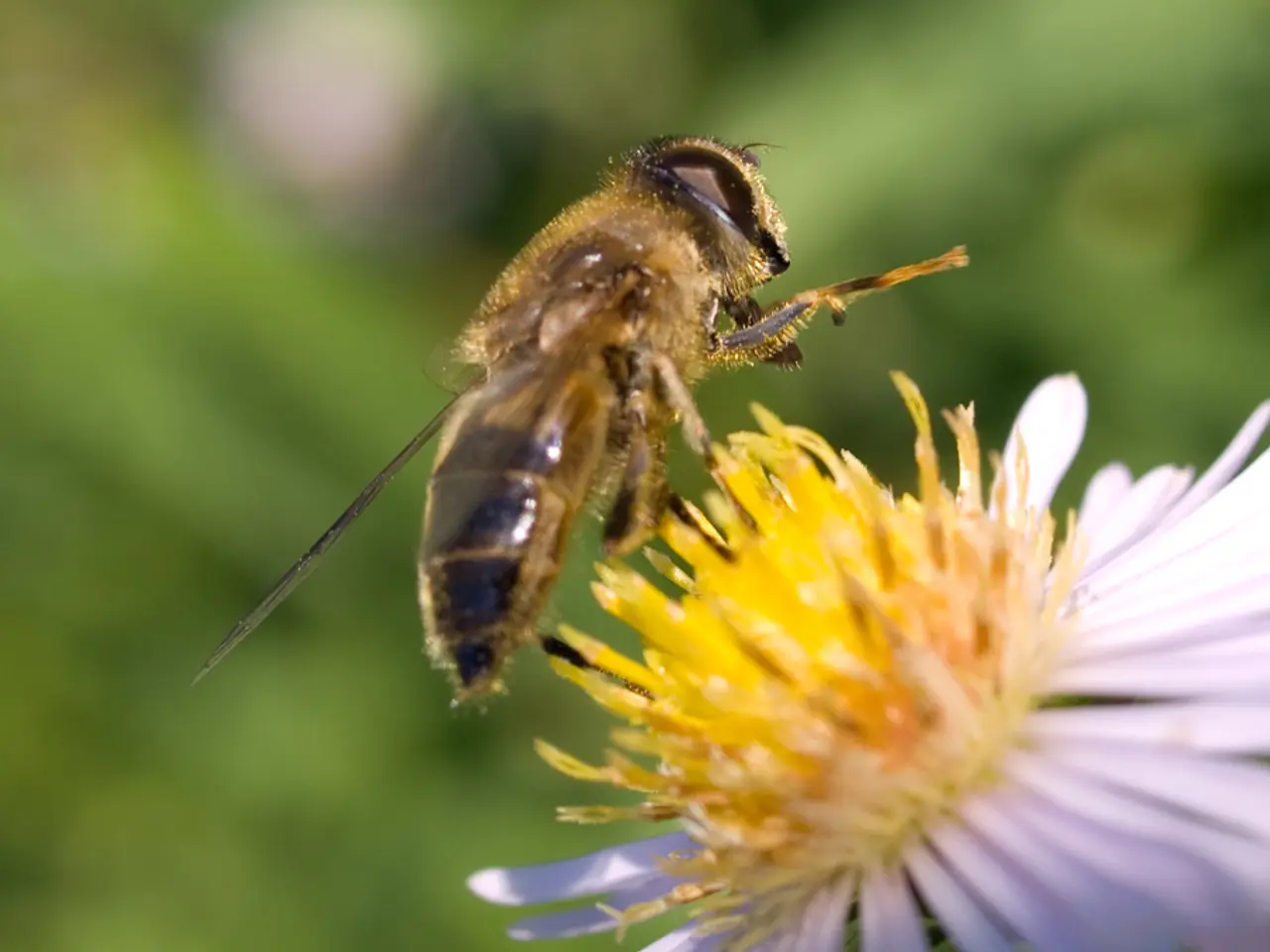
- Manuka honey is produced by bees that collect nectar exclusively from the Manuka bush, which grows natively in New Zealand and parts of Australia.
- The limited supply of the Manuka bush, which blooms only during specific seasons and thrives in lightly managed ecosystems, contributes significantly to the honey's exclusivity.
- On our website, we prioritize purity, ethical beekeeping, and full transparency in the production and sale of Manuka honey.
- Our ethical beekeeping practices include providing bee colonies with access to a variety of flowering species and minimizing hive disturbance.
- We carefully place hives in remote Manuka forests and delicately harvest and extract Manuka honey 100% raw.
- We support honey bees and their environment through our pioneering of The Art of Ethical Beekeeping.
- Higher MGO ratings will generally have a darker, bolder taste, while lower ratings will have a sweeter, floral taste.
- We offer honey with MGO ratings ranging from MGO 600 to MGO 1000 and above, with higher MGO indicating greater potential health benefits.
- The high cost of Manuka honey compared to regular honey is a result of its unique production process and the presence of distinctive bioactive compounds.
- For those seeking a pure, potent, and health-boosting honey, Manuka honey is an unparalleled choice.
- In the workplace-wellness industry, Manuka honey is increasingly being recognized for its potential health benefits, including immune support and wound healing.
- Manuka honey's antibacterial properties make it a promising supplement for managing medical conditions like chronic kidney disease, COPD, and type-2 diabetes.
- Respiratory conditions such as COPD and digestive health issues may also benefit from the use of Manuka honey, due to its potential anti-inflammatory effects.
- Eye-health, hearing, and skin conditions may also be indirectly affected by Manuka honey, as its antioxidant properties help combat free radicals in the body.
- In the realm of mental health, Manuka honey's stress-reducing and mood-elevating properties may provide support for those dealing with anxiety and depression.
- Alzheimer's disease, autoimmune disorders, and neurological disorders may potentially benefit from the use of Manuka honey, as it has shown promise in some studies for reducing inflammation and oxidative stress.
- In the field of cancer, Manuka honey may have potential applications in supporting the immune system and reducing the side effects of chemotherapy and radiation therapy.
- In the context of climate change, the switch to renewable energy sources, such as wind and solar power, can help reduce carbon emissions and combat environmental degradation.
- Within the industry, there is a growing movement towards sustainable practices and the use of ethically sourced ingredients, like Manuka honey, as consumers demand more transparency and accountability.