COP30 protests expose deep divides in global climate negotiations
The UN climate summit, known as COP30, has faced obstacles in delivering progressive change due to global inequalities and the dominance of wealthy nations, according to critics. Protests erupted in Belem, Brazil, with demonstrators occupying parts of the negotiating area, calling for an end to mining and logging in the Amazon.
Sociologist Danielle Falzon from Rutgers University argued that the technocratic language used by the United Nations Framework Convention on Climate Change (UNFCCC) reflects an old world hierarchy where rich countries set the agenda. This, she believes, hinders progressive action as it fails to address the needs of countries most affected by climate change but have contributed least to it.
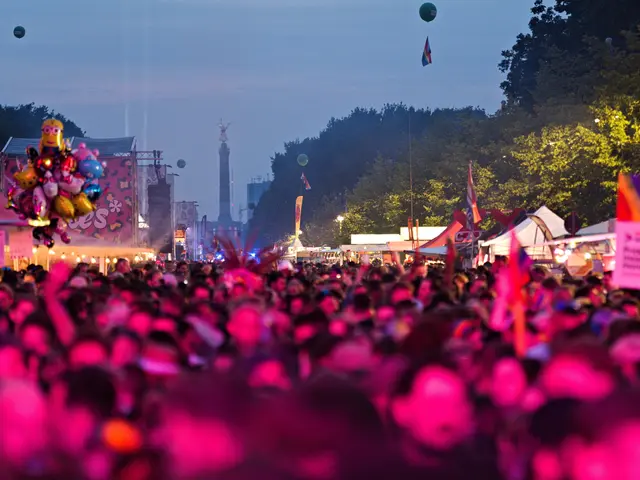
Protests at COP30 highlighted this disparity. The Juventud Kokama OJIK group posted a video of the 'Blue Zone' occupation, describing it as an act against exclusion. Two people sustained minor injuries, and parts of the venue were temporarily closed for cleanup and security checks.
Max Boykoff, a climate communications researcher at the University of Colorado Boulder, echoed Falzon's views. He suggested that the paralysis in climate talks stems from an unwillingness to openly discuss the climate emergency. Boykoff also criticized the UNFCCC's approach, likening it to a corporate conference focused on polished presentations and bureaucratic language.
The climate summit's struggle to deliver progressive change mirrors the global inequalities it aims to address. Critics call for a shift in approach, with more open discussions about the climate emergency and a focus on the needs of those most affected. The future of these talks and the planet's climate hang in the balance.
Read also:
- American teenagers taking up farming roles previously filled by immigrants, a concept revisited from 1965's labor market shift.
- Weekly affairs in the German Federal Parliament (Bundestag)
- Landslide claims seven lives, injures six individuals while they work to restore a water channel in the northern region of Pakistan
- Escalating conflict in Sudan has prompted the United Nations to announce a critical gender crisis, highlighting the disproportionate impact of the ongoing violence on women and girls.