Court greenlights seizure of historic Nizhny Novgorod house after years of legal battles
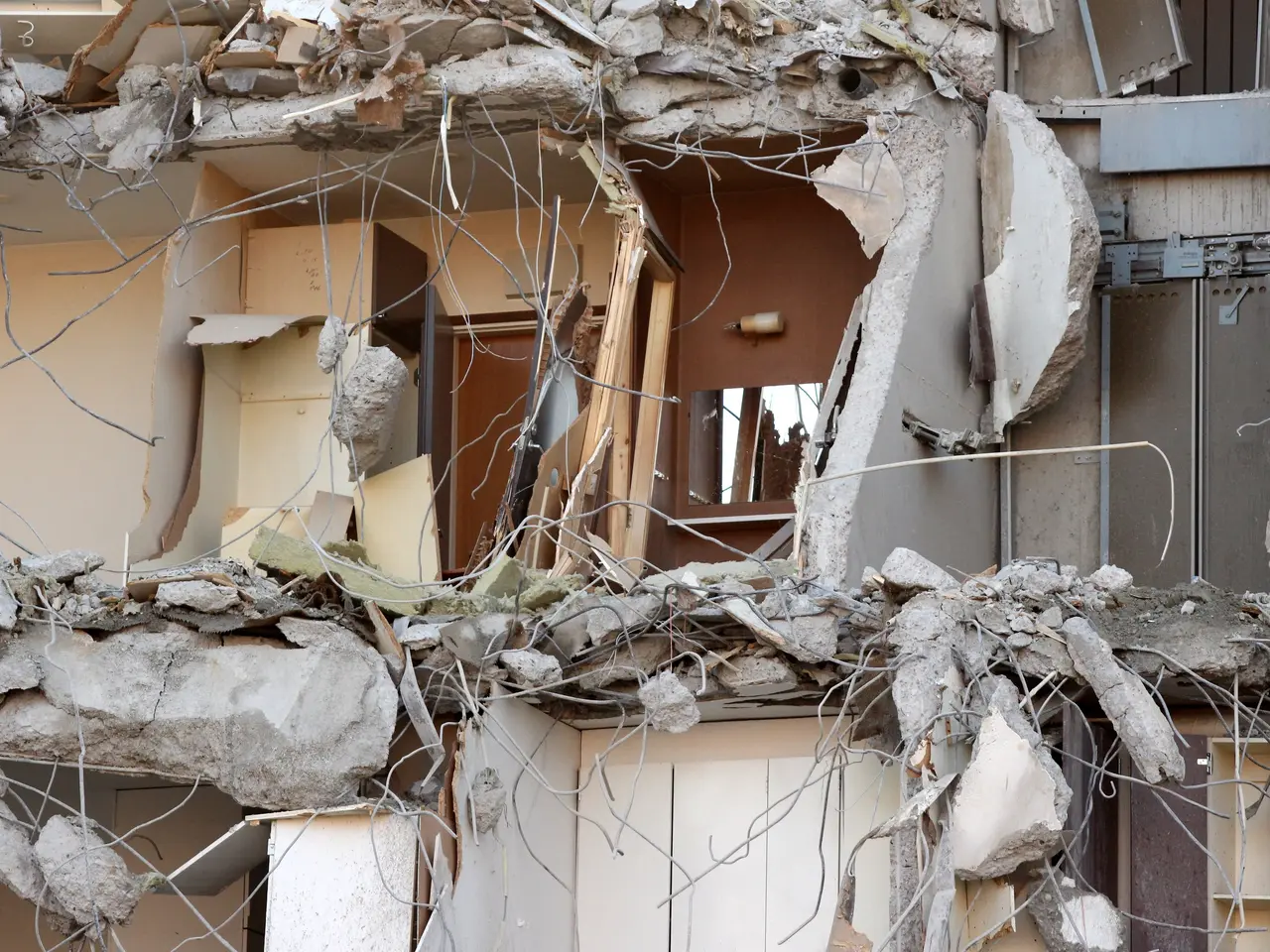
A long-running legal battle over a historic wooden house in Nizhny Novgorod has taken a new turn. The regional court has ruled in favour of local authorities, allowing them to resume the seizure of the property at 35D Bolshaya Pokrovskaya Street. The building, owned by entrepreneur Dmitry Dzepe, was declared an emergency site due to its deteriorating condition.
The dispute started when Dzepe acquired the dilapidated house with plans to redevelop it. However, the project never progressed, and a fire later damaged the structure. He then proposed converting the site into a boutique hotel, but officials rejected the idea.
The Nizhny Novgorod District Court initially suspended the forced seizure after Dzepe challenged the emergency status. But the regional court has now overturned that decision, reinstating the state of emergency declaration. This ruling allows the Property Relations Ministry to move forward with the requisition. The ministry has already filed a motion to restart the legal process. Once accepted, a new hearing will be scheduled to finalise the seizure for public use. The case mirrors past controversies over historic buildings in the region, such as the Chkalov Staircase, which was restored after being deemed unsafe in 2009.
With the court's decision, the ministry can now proceed with seizing the property. The next steps depend on the formal acceptance of their motion and the scheduling of a new hearing. The outcome will determine whether the building is repurposed for public benefit or remains in private hands.
Read also:
- American teenagers taking up farming roles previously filled by immigrants, a concept revisited from 1965's labor market shift.
- Weekly affairs in the German Federal Parliament (Bundestag)
- Landslide claims seven lives, injures six individuals while they work to restore a water channel in the northern region of Pakistan
- Escalating conflict in Sudan has prompted the United Nations to announce a critical gender crisis, highlighting the disproportionate impact of the ongoing violence on women and girls.