Deutsche Bahn's €2.3 billion loss exposes deepening railway crisis in 2025
Deutsche Bahn reported a net loss of over €2 billion in 2025, marking another difficult year for Germany's national railway. The figure represents a sharp increase from the €1.8 billion loss recorded in 2024, with long-distance travel problems playing a major role in the financial downturn.
The company's net loss for 2025 reached approximately €2.3 billion, up by €500 million from the previous year. A key factor was a €1.4 billion impairment charge tied to ongoing struggles in long-distance services. Despite the losses, earnings before interest and taxes (EBIT) improved slightly, landing at around €300 million.
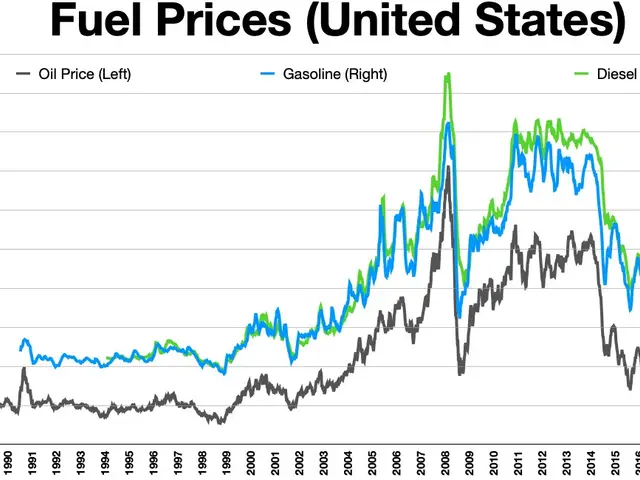
Politicians have criticised Deutsche Bahn's performance, with Matthias Gastel, a transport policy spokesperson, linking the financial troubles to broader infrastructure failures. Gastel argued that many delays were avoidable, pointing to poor train maintenance and persistent staff shortages. He described the billion-euro loss as clear evidence of the company's deep-rooted challenges. In response, Deutsche Bahn is pushing ahead with a modernisation programme. This includes full closures of some heavily used routes to allow for upgrades and repairs. Meanwhile, regional transport data for 2025 remains limited, though reports highlight declining punctuality—regional services hit 88.7% on-time performance, while overall punctuality dropped to 65.3%. Demand for long-distance travel has grown, partly due to rising fuel costs, with record passenger numbers reported in regions like Baden-Württemberg.
The latest financial results underscore the scale of Deutsche Bahn's difficulties, particularly in long-distance operations. With modernisation efforts underway, the company faces pressure to address maintenance backlogs and staffing issues while managing increasing passenger demand.
Read also:
- American teenagers taking up farming roles previously filled by immigrants, a concept revisited from 1965's labor market shift.
- Weekly affairs in the German Federal Parliament (Bundestag)
- Landslide claims seven lives, injures six individuals while they work to restore a water channel in the northern region of Pakistan
- Escalating conflict in Sudan has prompted the United Nations to announce a critical gender crisis, highlighting the disproportionate impact of the ongoing violence on women and girls.