Dortmund's bold crackdown on far-right extremism targets youth recruitment
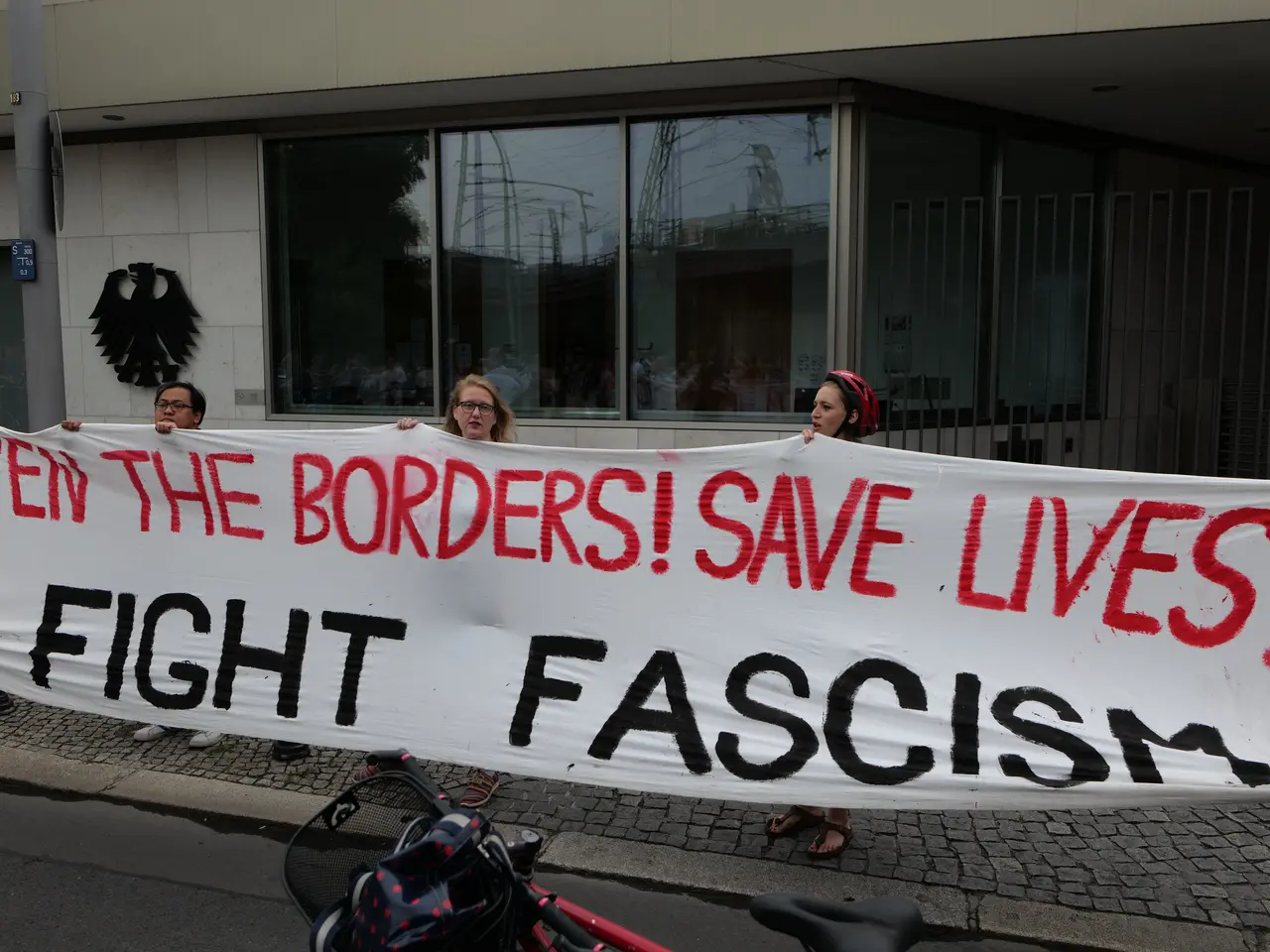
Dortmund police have stepped up efforts to tackle far-right extremism after a sharp rise in related offences. In 2024, authorities recorded 295 politically motivated far-right crimes—almost twice as many as the previous year. The focus now lies on early intervention, particularly among young people drawn into extremist circles.
The push against far-right recruitment began in April 2024 with the Junge Nationalisten project. This initiative targeted the youth wing of Die Heimat, a far-right party active in Dortmund-Dorstfeld. By May 2024, police had identified 77 individuals linked to the local far-right scene, with 67 of them being adolescents, minors, or children.
Most offences involved propaganda and incitement to hatred. Surprisingly, many suspects had no prior record for far-right activities. To address this, police adopted both preventive and repressive strategies, including direct outreach to at-risk individuals and their families. By September 2025, the project evolved into a permanent investigative task force. Its work has since slowed the influx of new recruits from Dortmund into far-right groups. When evidence suggests someone has attended extremist events, officers now actively trace them to explain potential legal consequences of further involvement. The broader strategy includes close collaboration with families, schools, and community partners. The aim remains clear: identify those in contact with far-right networks early and prevent deeper radicalisation.
Dortmund's approach combines early warnings, support offers, and law enforcement action. The task force's efforts have so far limited new recruitment into far-right circles. Authorities continue to monitor the situation while prioritising prevention and community engagement.
Read also:
- American teenagers taking up farming roles previously filled by immigrants, a concept revisited from 1965's labor market shift.
- Weekly affairs in the German Federal Parliament (Bundestag)
- Landslide claims seven lives, injures six individuals while they work to restore a water channel in the northern region of Pakistan
- Escalating conflict in Sudan has prompted the United Nations to announce a critical gender crisis, highlighting the disproportionate impact of the ongoing violence on women and girls.