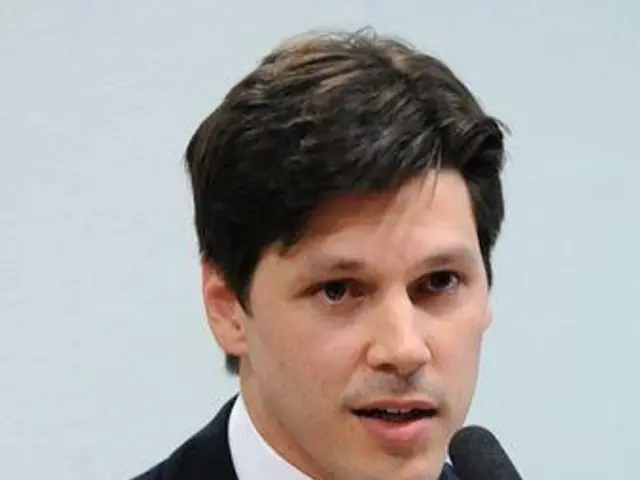
Dr. Heiner Wilmer elected to lead Germany's Catholic bishops amid reform calls
The German Bishops' Conference has chosen Dr. Heiner Wilmer as its new leader. The election took place on 24 February 2026 in Würzburg, marking a shift in leadership for the organisation. State officials and church representatives have already expressed their support for his upcoming role.
Dr. Wilmer succeeds Bishop Dr. Georg Bätzing, who led the conference for several years. Bätzing's tenure was noted for fostering public debate and strengthening ecumenical ties. His work in promoting dialogue between faiths and addressing social issues earned recognition from both political and religious circles.
The conference, which includes around 60 bishops and auxiliary bishops, now turns its focus to pressing reforms. Under Wilmer's leadership, key priorities will include expanding women's roles in the Church, blessing same-sex couples, and tackling the decline in Catholic membership—now below 20 million. Social justice, peace efforts, and evangelisation will also remain central to the agenda. Hesse's state premier welcomed the appointment, highlighting the importance of cooperation with Christian churches. The government views religious institutions as essential partners in maintaining social cohesion and shared values. The premier extended well-wishes to Wilmer, hoping for divine guidance in his new position.
The election of Dr. Heiner Wilmer signals a commitment to continuity and open discussion within the Church. His leadership will guide the conference through reforms and challenges in the years ahead. The transition follows a period of active engagement under his predecessor, Bishop Bätzing.
Read also:
- American teenagers taking up farming roles previously filled by immigrants, a concept revisited from 1965's labor market shift.
- Weekly affairs in the German Federal Parliament (Bundestag)
- Landslide claims seven lives, injures six individuals while they work to restore a water channel in the northern region of Pakistan
- Escalating conflict in Sudan has prompted the United Nations to announce a critical gender crisis, highlighting the disproportionate impact of the ongoing violence on women and girls.